Task Force Meeting of the Hungarian STEM Platform
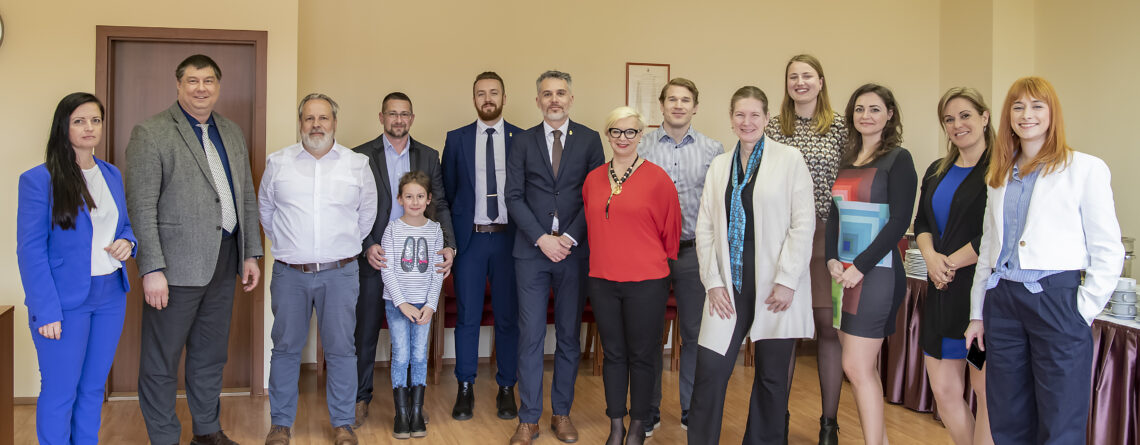
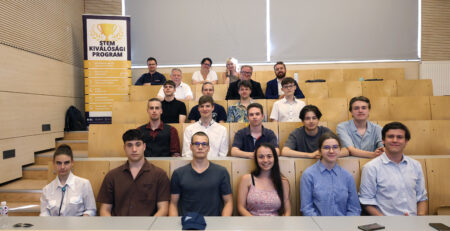
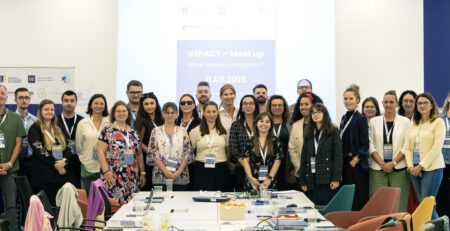
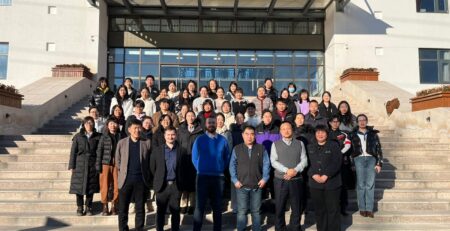
arany.barna.dora2026-04-23T08:57:45+02:00The STEM Office of Obuda University – Hungarian STEM Platform, works as a defining STEM representative of the Eastern region of the European Union to promote STEM, supporting cross-border countries and establishing close cooperation between national institutions and organizations in the field. Within the framework of the “Towards a European STE(A)M Platform (EU STEAM)” Erasmus+ project, Obuda University, in cooperation with the EU STEM Coalition, organized the first task force meeting of the Hungarian STEM Platform on April 18, where regional partners (from Slovakia, Romania, Croatia, and Bulgaria) and the Head of Department of the Ministry of Culture and Innovation were welcomed.
The main objective of the EU STEM Coalition is to facilitate the sharing of best practices between countries and regions. Through our horizontal activities, we bring together policy makers, policy shapers, institutional leaders, and STEM representatives to exchange ideas, share experiences, and develop new approaches in areas related to STEM education and the labor market.
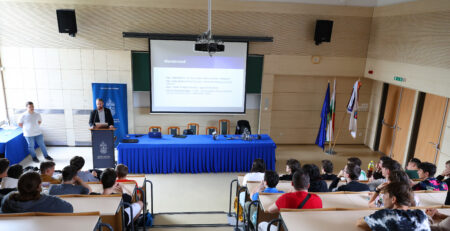
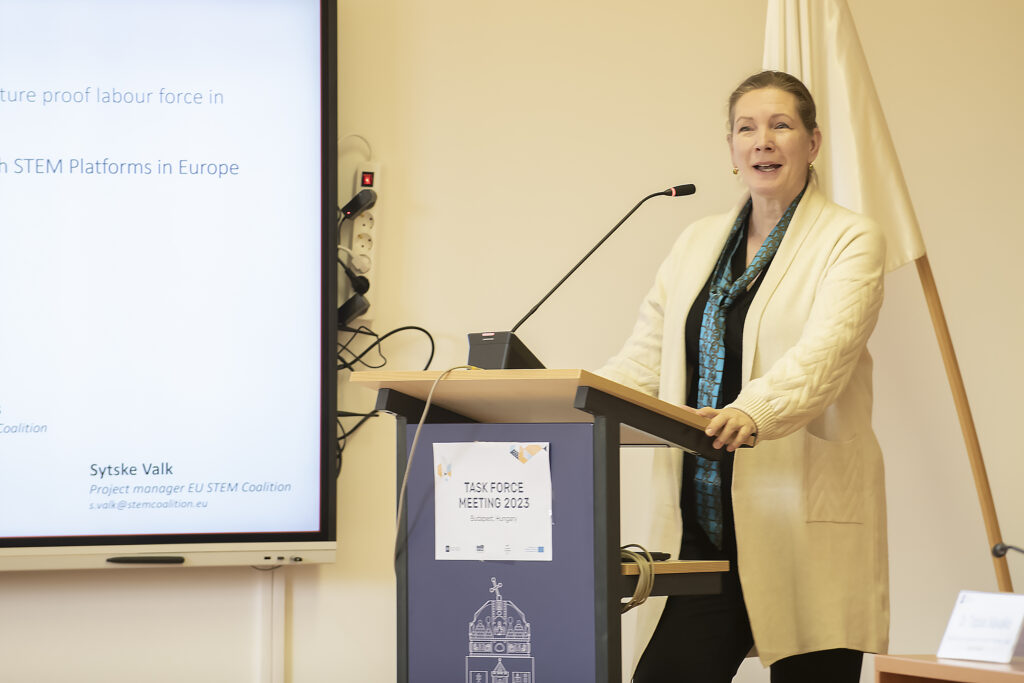
Beatrice Boots, Director of the EU STEM Coalition and the Dutch Platform Talent for Technology, along with Sytske Valk, Project Manager of the EU STEM Coalition, confirmed their intention for European Union STEM networking and evaluated the STEM development strategy of Óbuda University. In her presentation, the Director introduced the history of the EU STEM Coalition, including its formation, the members of the STEM network, its goals, and development methods.
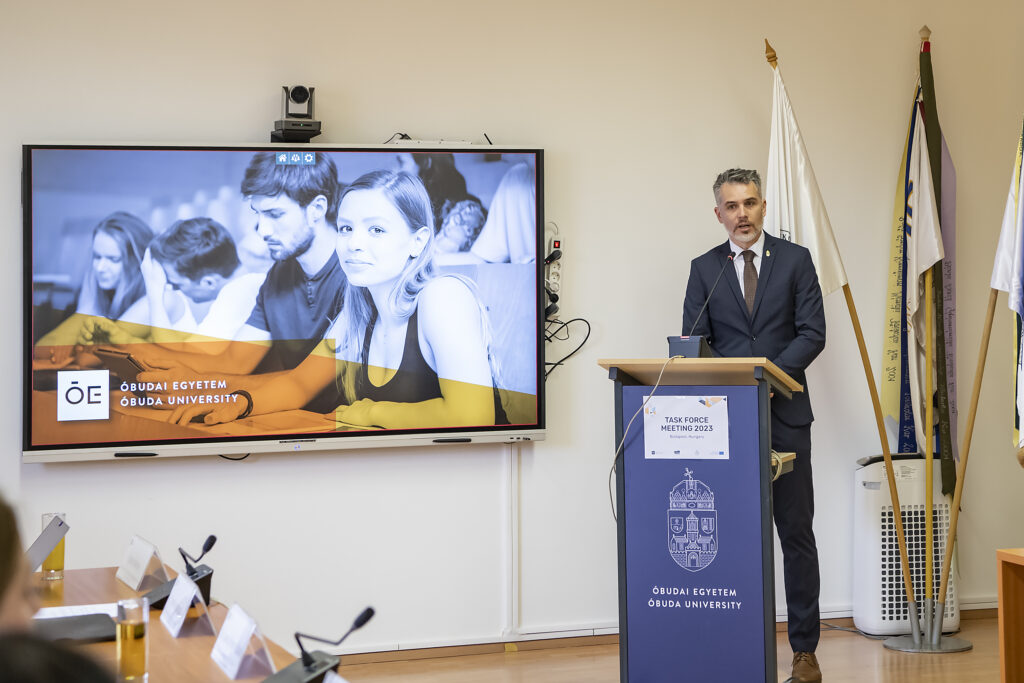
Tamás Kersánszki, as the head of the Obuda University STEAM Office – Hungarian STEM Platform, spoke in his welcome speech about the origins of the Hungarian STEM Platform, after which he referred to the “triple helix model” – the interaction between academia (university, education), industry, and government to promote economic and social development, without which STEM-oriented educational development is inconceivable in any country.
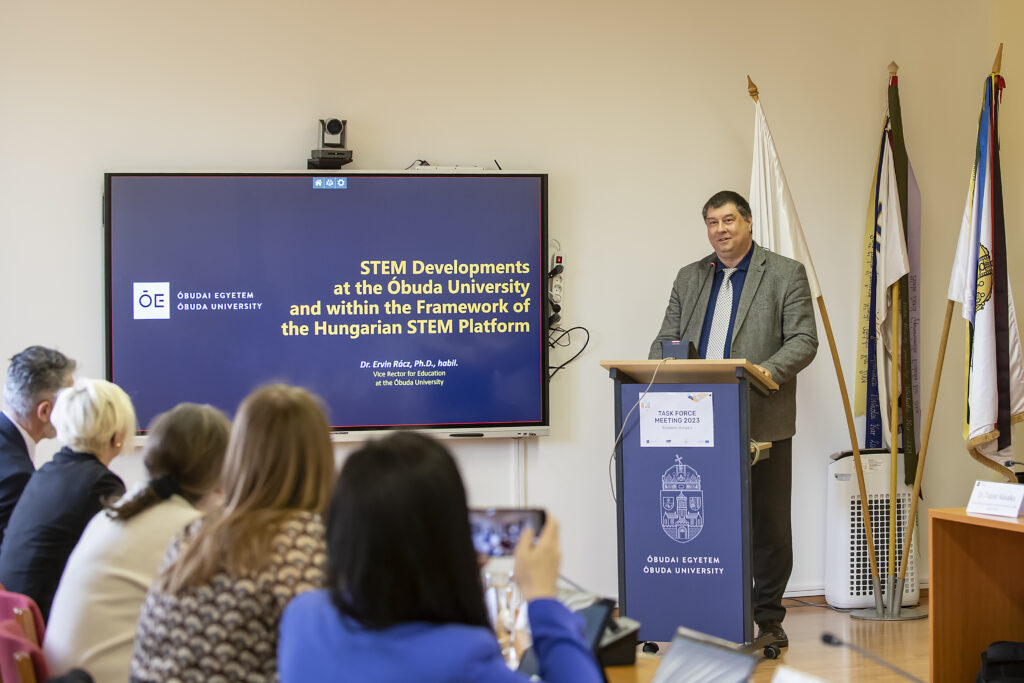
Dr. habil. Ervin Rácz, Vice-Rector for Education at Obuda University, confirmed the assumptions regarding the “triple helix” model for the creation of the Hungarian STEM Platform, stating that the support and help of Tibor Navracsics, then European Union Commissioner, and László Palkovics, then Minister of Innovation and Technology, were necessary for us to be able to talk about this today. Furthermore, he presented the strategy, focus areas, and development ideas of Óbuda University to the participants, where the Vice-Rector praised the new approach formulated by Rector Prof. Dr. Levente Kovács: modern and competitive engineering training, technological development for sustainable change, and the leading role of Obuda University in exploiting the opportunities provided by digitalization. In Dr. habil. Ervin Rácz’s comprehensive presentation, space was given to Obuda University’s position on the Times Higher Education ranking, programs developed to reduce dropout rates, and last but not least, the efforts made by the Obuda University STEM Office, which guarantee the innovative progress of the university.
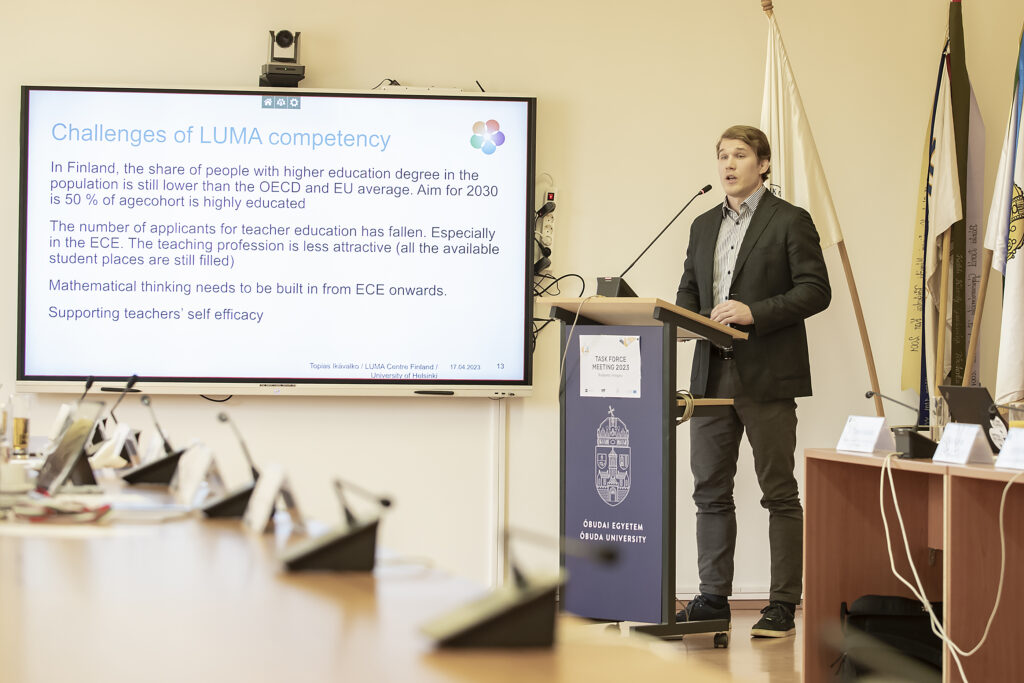
Dr. Topias Ikävalko, Science Education Specialist at the University of Helsinki – LUMA Centre, presented Finnish non-formal learning and science education, the Finnish concept of LUMA STEAM, its background, and history. He described the current state of STEM-oriented education in Finland, as well as the goals and objectives along which it will be developed in the coming decade. He presented the LUMA ecosystem as a good example, highlighting the stimulation and motivation through the latest methods and activities of science and technology education in children’s and young people’s interest in mathematics, science, and technology fields. The center supports the lifelong learning of teachers working at all levels of education from early childhood to universities, while also strengthening the development of research-based teaching.
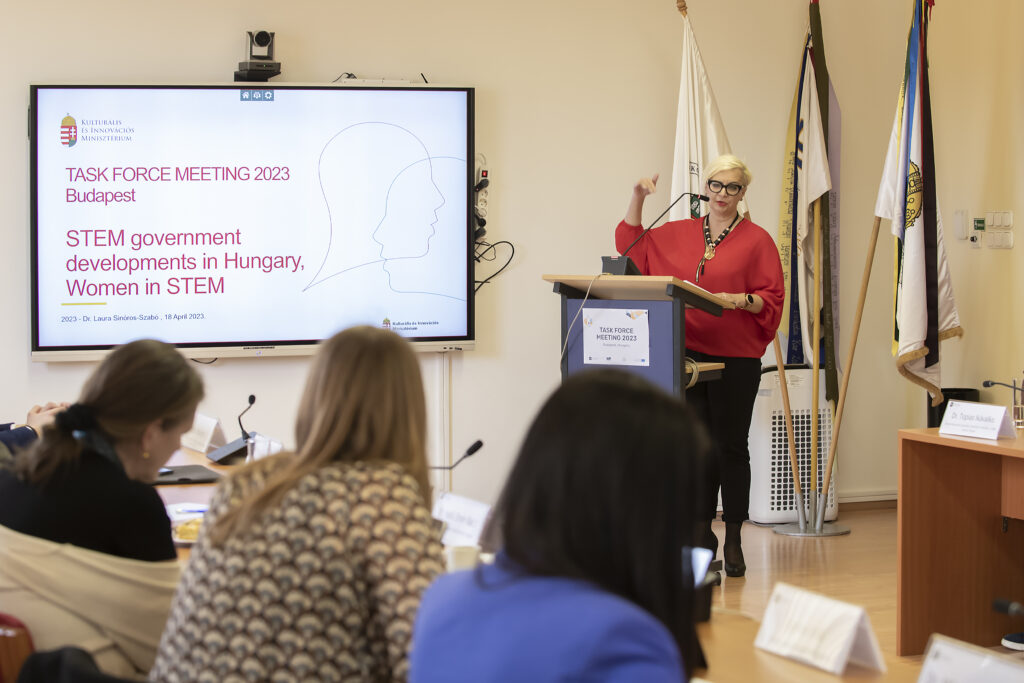
Dr. Laura Sínoros-Szabó, Head of Department at the Hungarian Ministry of Culture and Innovation, also honored the event with her presence. She presented the gender distribution of the number of students, researchers, educators, and teachers, highlighting the situation of women active in the scientific field. She presented the efforts initiated by the Government of Hungary in 2016 to increase the number of female educators and researchers working in underrepresented areas and leadership positions, and confirmed that an adequate number of applicants must be ensured for STEM courses to produce a number of graduates corresponding to the economy’s and science’s demand for professionals. In her detailed presentation, she covered the action plan (2021-2030) launched by the Government of Hungary aimed at strengthening the role of women, where she described interventions such as the creation of family- and child-friendly environments, family-friendly higher education institutions, support for the orientation of girls and women towards STEM (mathematics, science, technical, IT) careers, and their initiative to reduce dropouts. All of this was supported by the amount of funding issued since 2014 for developments realized from European Union resources, which speaks for itself in the field.
Zoltán Márton, project coordinator of the STEAM Office, operational staff member of the Hungarian STEM Platform, and the organizer and administrator of the event, was also present at the more than four-hour task force meeting.
The following participants reported on national STEM challenges, developments, and the current situation with their delegations: Tena Žganec, Project Manager of the Croatian Office for Creativity and Innovation (HUKI); Vojtech Katona, Project Leader of LearnIT Academy (Slovakia); Dr. Attila Borka-Balás, President of the Bolyai College Foundation (Romania); József Barta, Director of St. Nicholas Greek Catholic Primary School and Elementary School of Art (Hungary); and Dr. Milena Y. Krumova, Founder and Director of the European Institute for Technology, Education and Digitalization (EITED) (Bulgaria).
We thank Obuda University’s photographer, Judit Sárai, for the great photos.