Imagination comes to life: The digital design talent profile of the STEAM Excellence Program concludes
arany.barna.dora2026-03-10T14:23:12+02:00We are delighted to announce that the core program of the Digital Design talent profile—one of the most popular specialized areas within the STEAM Excellence Program—has successfully come to an end! Under the leadership of Dr. Orsolya Nagyné Szabó, participants gained insight into the world of engineering innovation and design, ranging from modern 3D modeling to digital manufacturing technologies.
The program aimed to teach students how to bring their imaginations to life using state-of-the-art software and manufacturing techniques, laying the foundation for a future-oriented career in design or engineering.
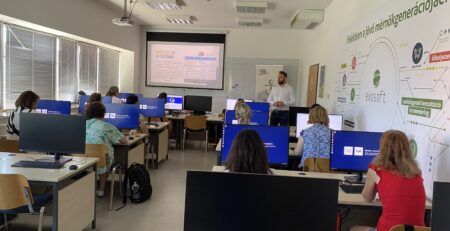
The talent profile was highly practical and interactive, allowing students to work with a wide variety of industrial tools:
The three faces of 3D design: Fashion, architecture, and mechatronics
Participants were able to test their skills in 3D modeling across three different professional fields:
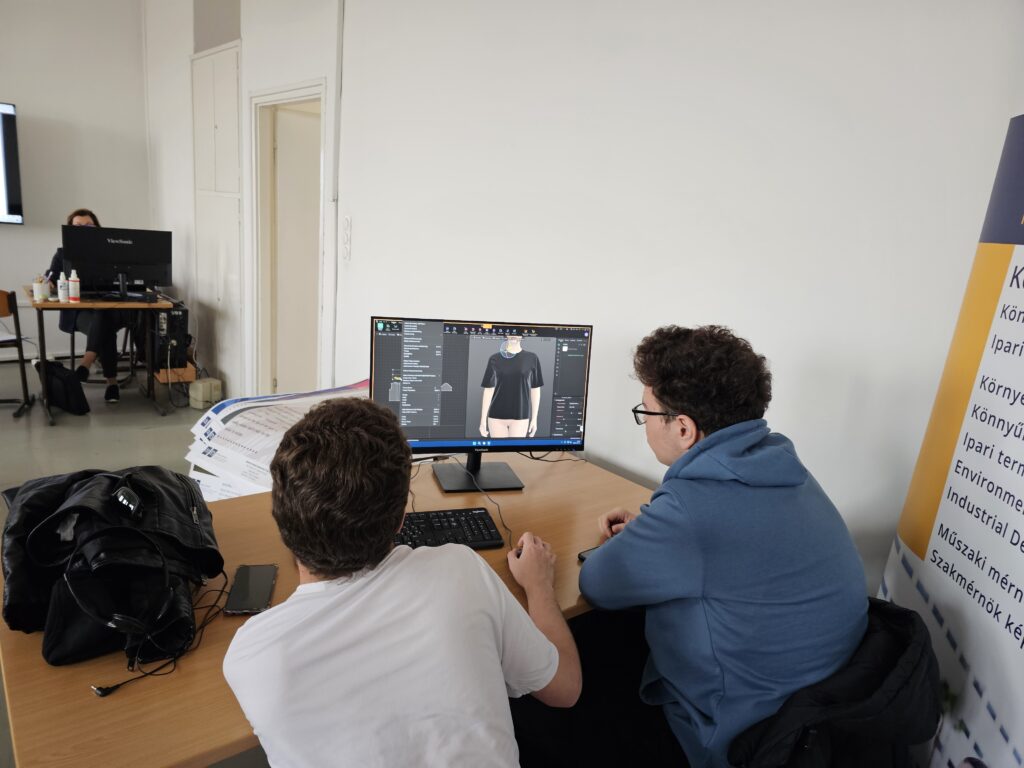
Digital Fashion Design with Style3D | ASSYST (led by Dr. Orsolya Nagyné Szabó and András Koleszár): Students were introduced to the digital tools of the modern fashion industry. This software family allows garments to come to life in 3D even before they are sewn. By linking 2D patterns with 3D visualization, users could realistically see how fabric behaves on the body, saying goodbye to physical prototypes. Using the Style3D Studio, Fabric, and Cloud systems, design became faster, more accurate, and more environmentally friendly.
Architectural Design with ARCHLine.XP (also led by Dr. Orsolya Nagyné Szabó and András Koleszár): This session was perfect for those passionate about architecture and interior design. Using ARCHLine.XP, students created their own rooms, apartments, or even entire houses in 3D. They built walls, placed furniture, and experimented with colors, textures, and lighting, learning how a creative idea transforms into a feasible plan.
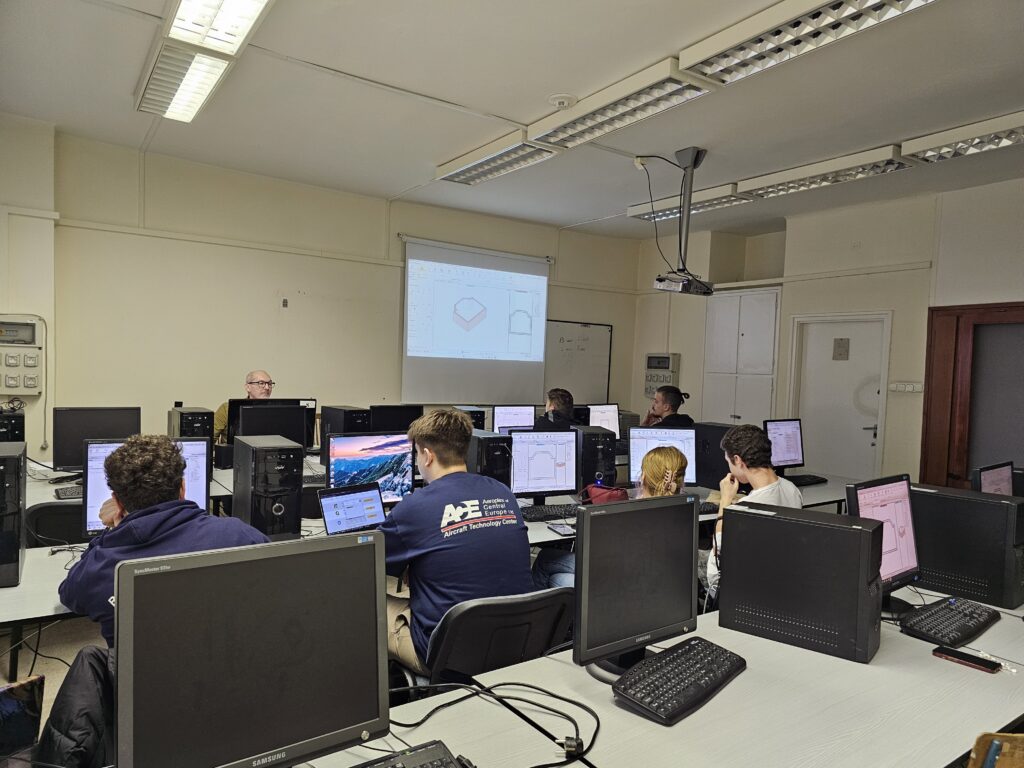
The Foundations of Digital Manufacturing: 3D Printing Workshop The session led by Attila Fodor provided a comprehensive overview of the fundamentals of mechatronic systems and digital manufacturing technologies. Students learned about 3D printing processes (FDM and resin-based technologies) and materials. Modern CAD design programs (Blender, Fusion 360), 3D file formats, and the operation of slicer software (G-code) were also presented. The practical portion focused on fine-tuning printing parameters, while also touching on future research directions such as bioprinting and generative AI.
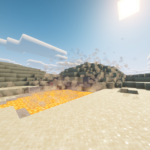
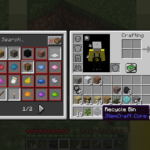
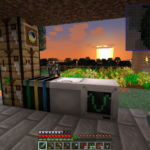
In Attila Fodor’s other session, titled “Engineering Mindset through Games,” the foundations of engineering thinking were presented in a playful and interactive way, focusing on problem-solving, design, testing, and optimization. The session demonstrated that even behind fun experiments, there are engineering principles and laws of physics. The “Spaghetti Bridge” and “Labyrinth” competitions illustrated structural integrity and system optimization. Using a Minecraft mod called SteamCraft, students had to solve group challenges focused on environmental protection and sustainability education. This gamified educational methodology lived up to expectations, resulting in active participation, a great atmosphere, and successfully completed tasks.

Following the acquisition of knowledge, the talent profile concluded with an individual consultation, during which students received personalized feedback and discussed their further development paths with the experts.
Congratulations to all participants on the successful completion of the Digital Design talent profile!
Our STEAM Excellence Program is funded by the National Talent Programme under the grant NTP-STEM-25-B-0006.