Innomeet, Experience Workshop, and Talent Day: Life is buzzing in the STEAM Excellence Program!
arany.barna.dora2026-03-05T11:19:10+02:00Which bus takes you to the peak of innovation? How does mathematics turn into art? And what is the secret of international programming prodigies? In recent weeks, participants of the STEAM Excellence Program didn’t just receive answers to these questions—they dove headfirst into the technologies of the future. STEAM (Science, Technology, Engineering, Arts, Mathematics) is more than just an acronym; for us, it is a vibrant ecosystem. Let’s look back at the last three stops where talent met opportunity!
Which bus goes where? – XII. Innomeet Event
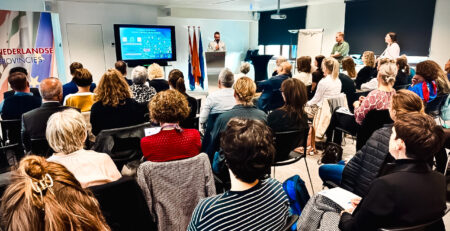
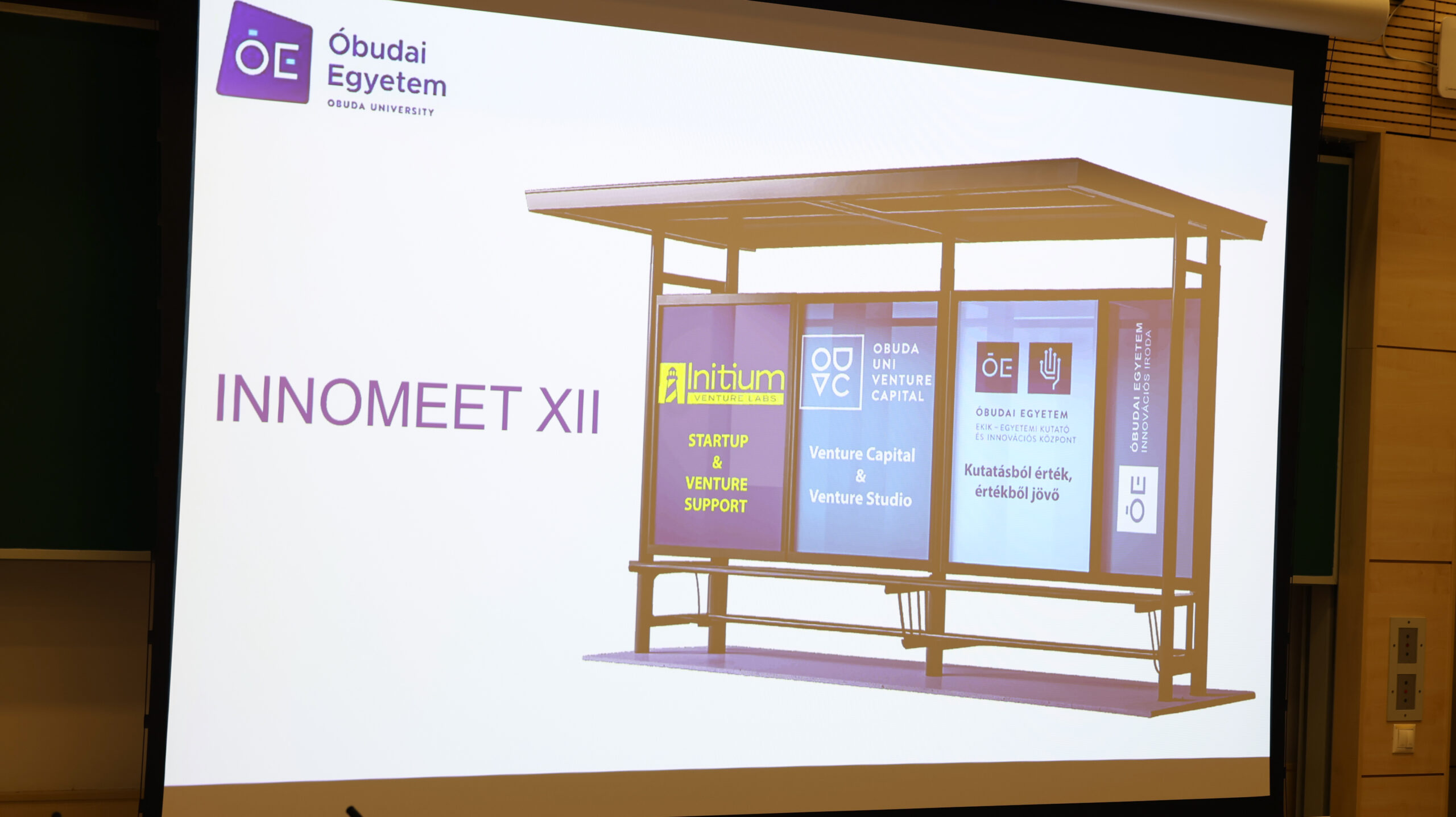
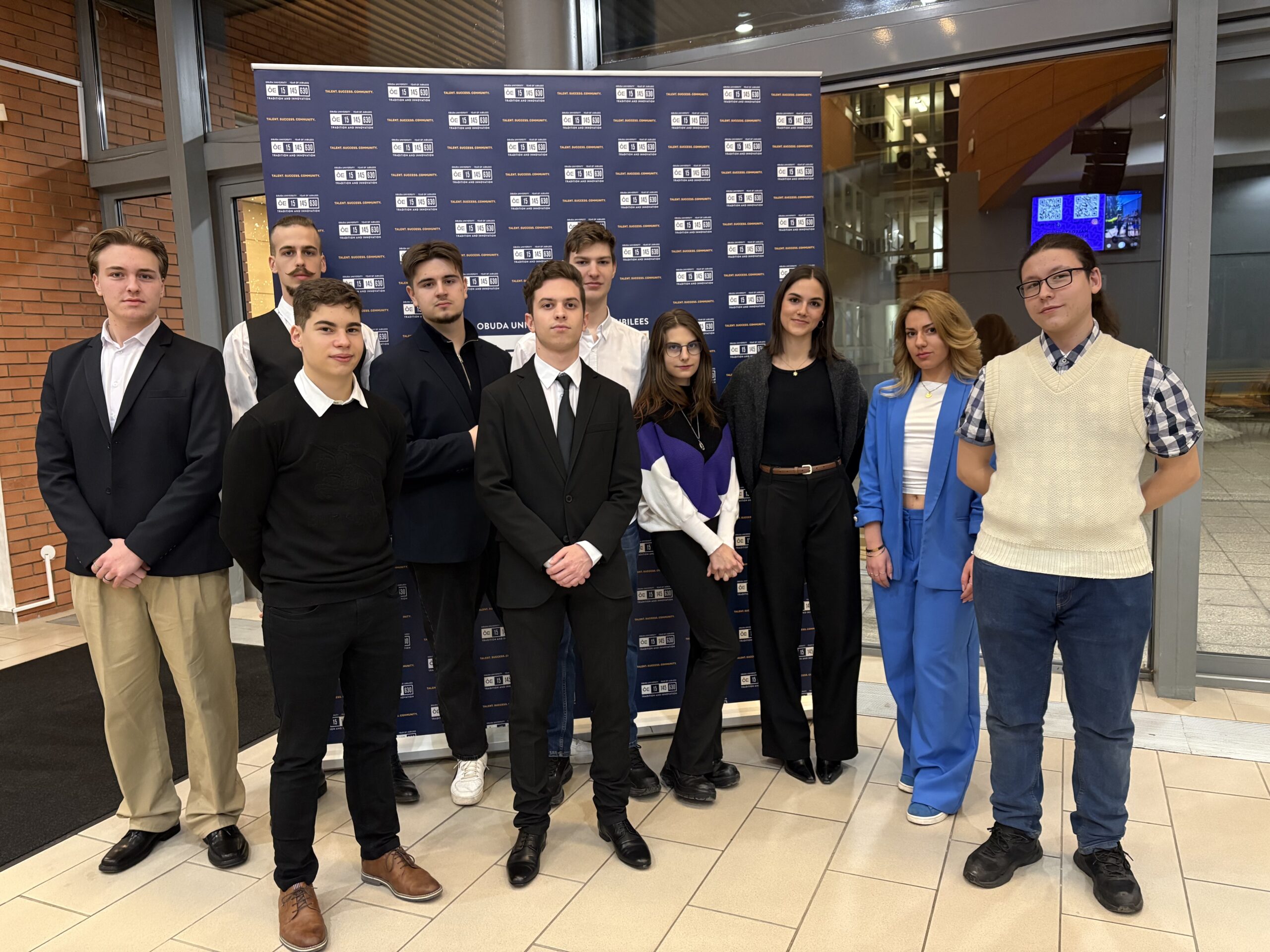
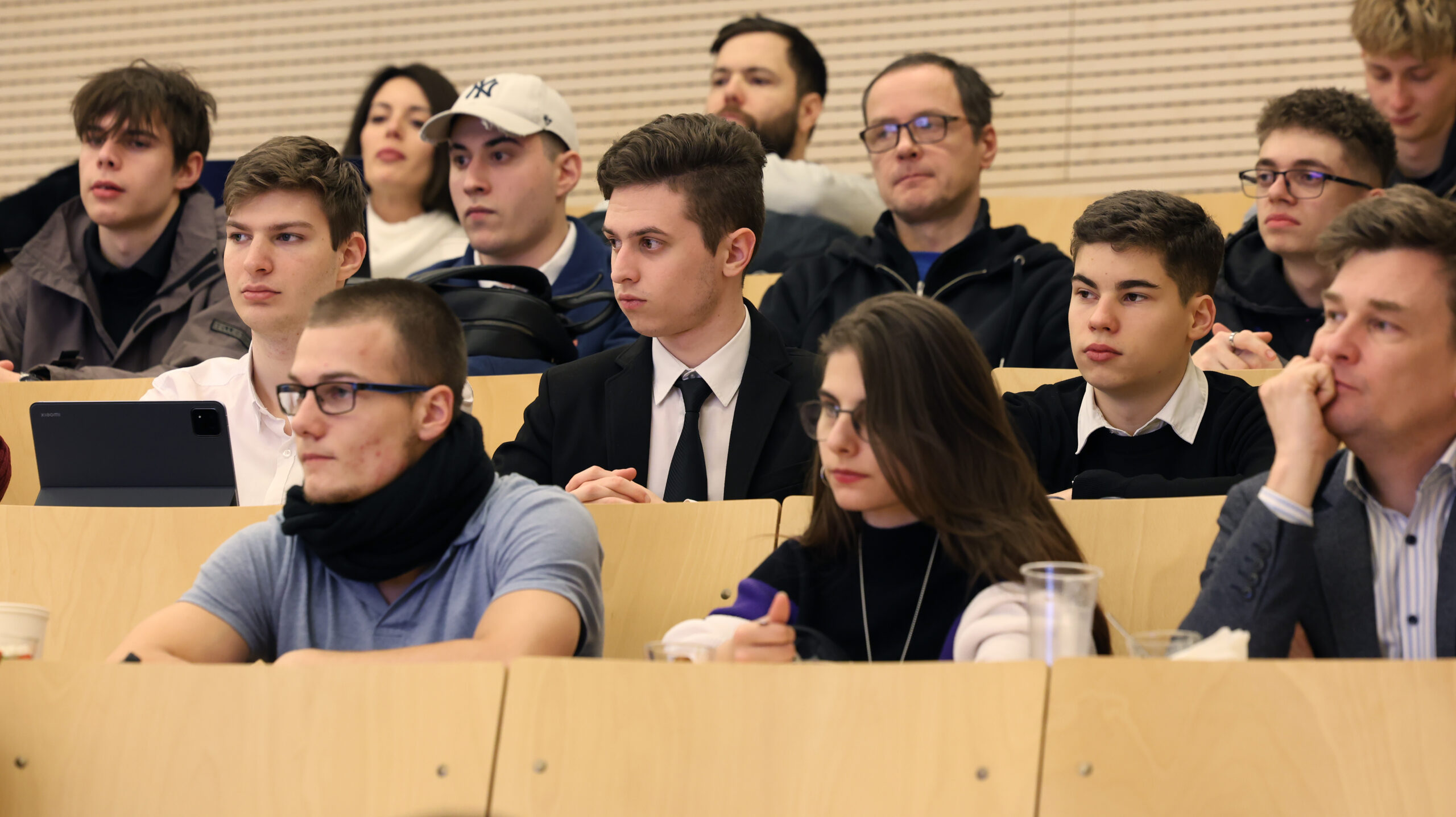
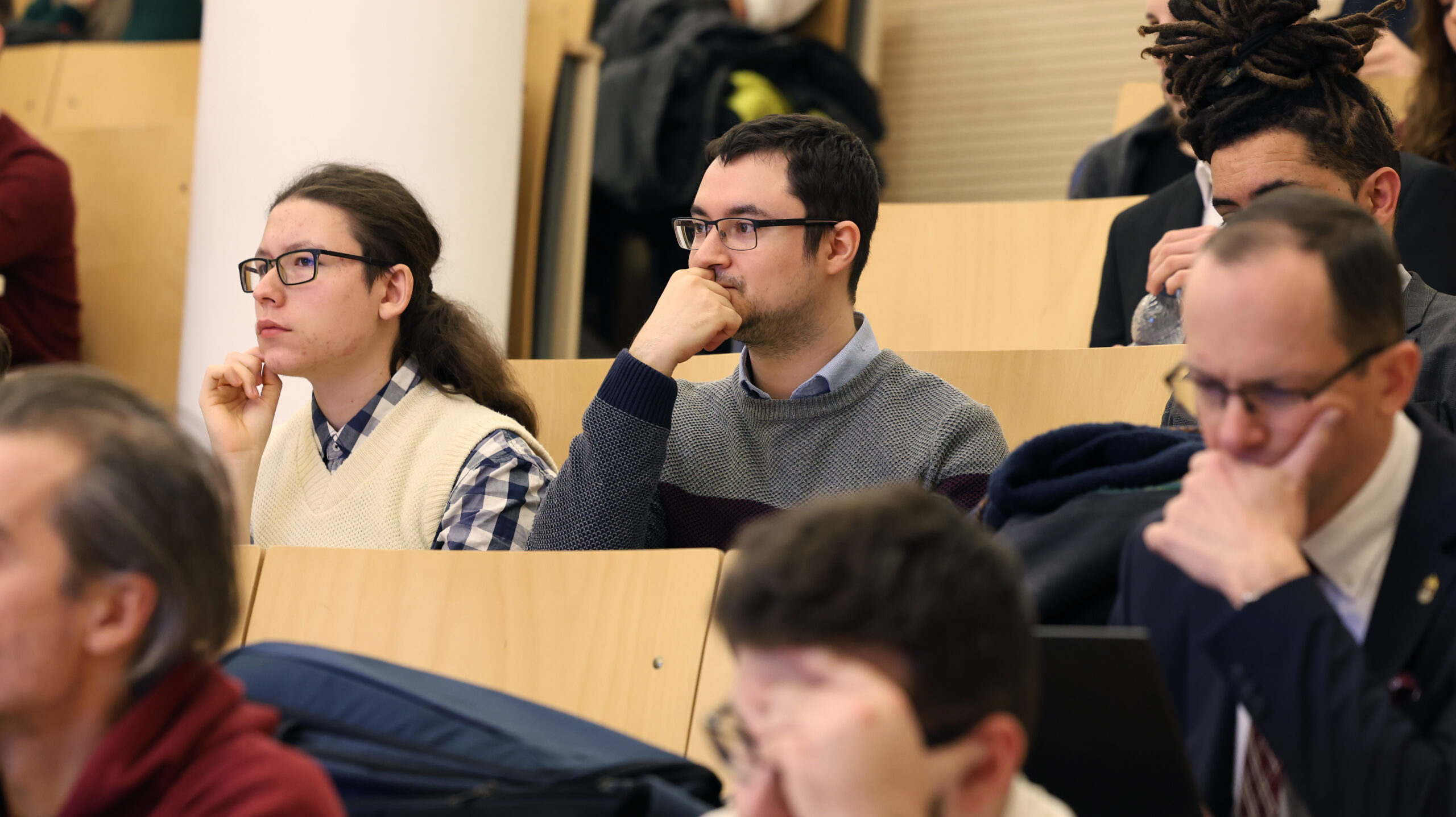
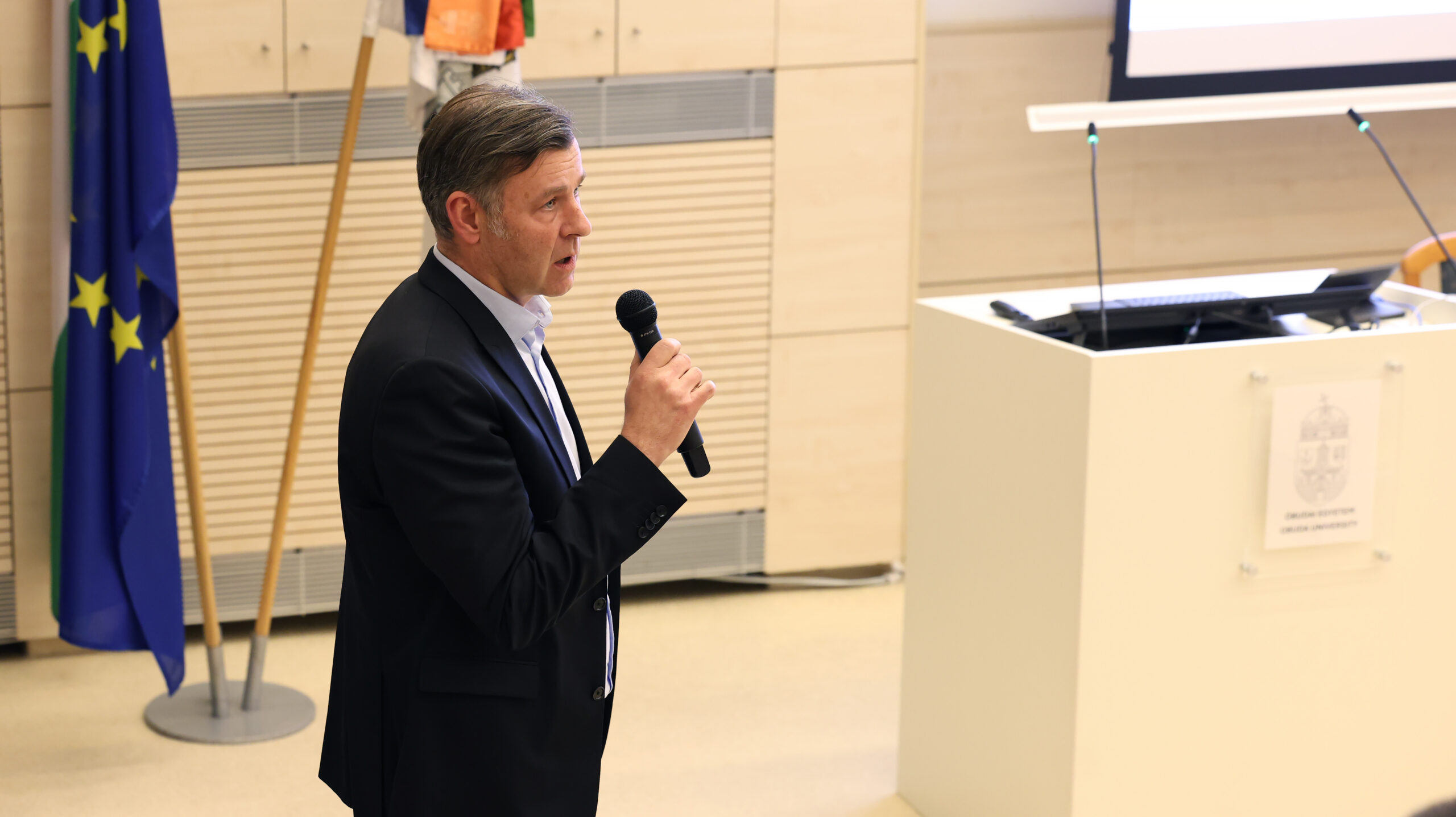
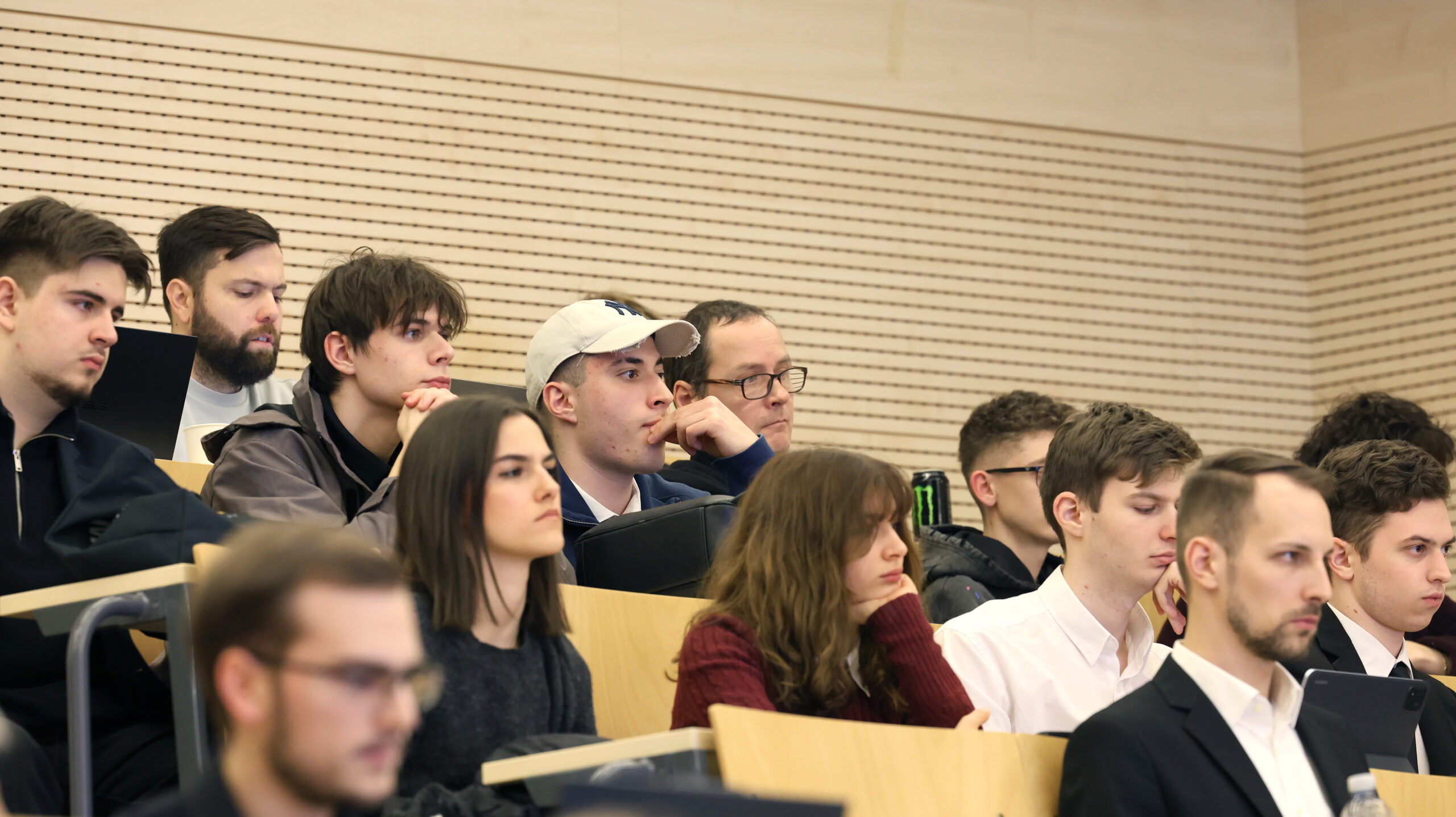
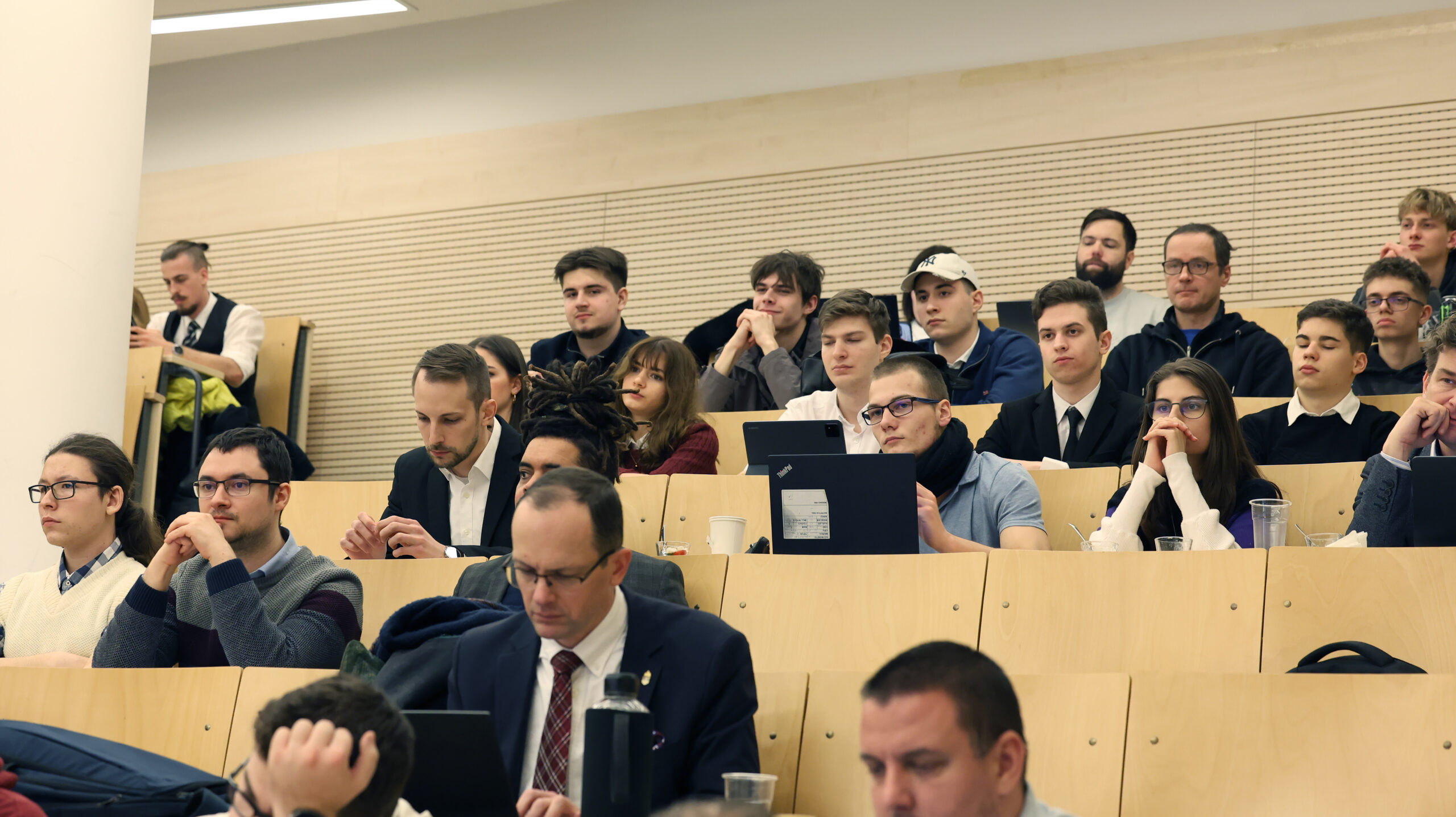
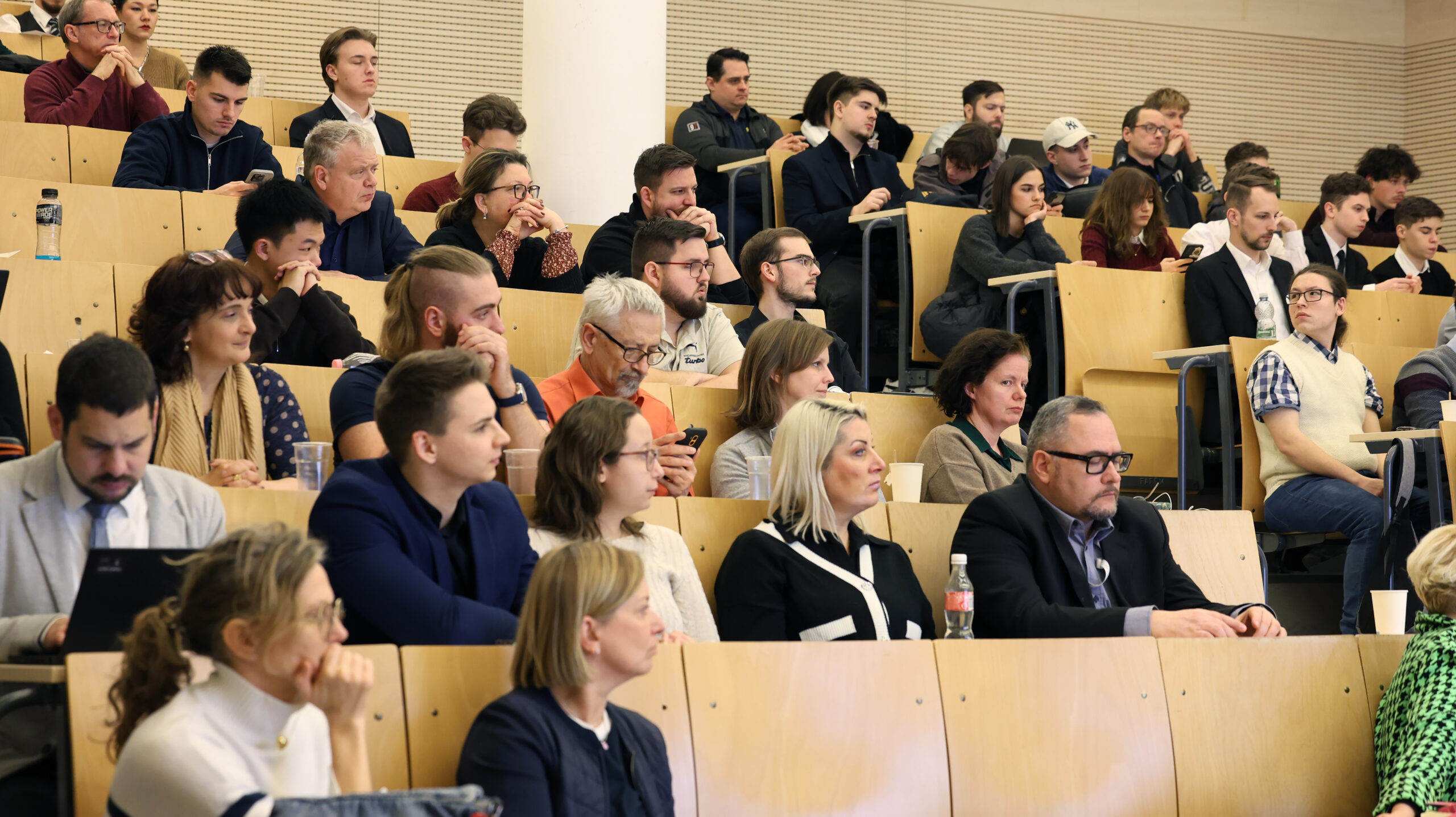
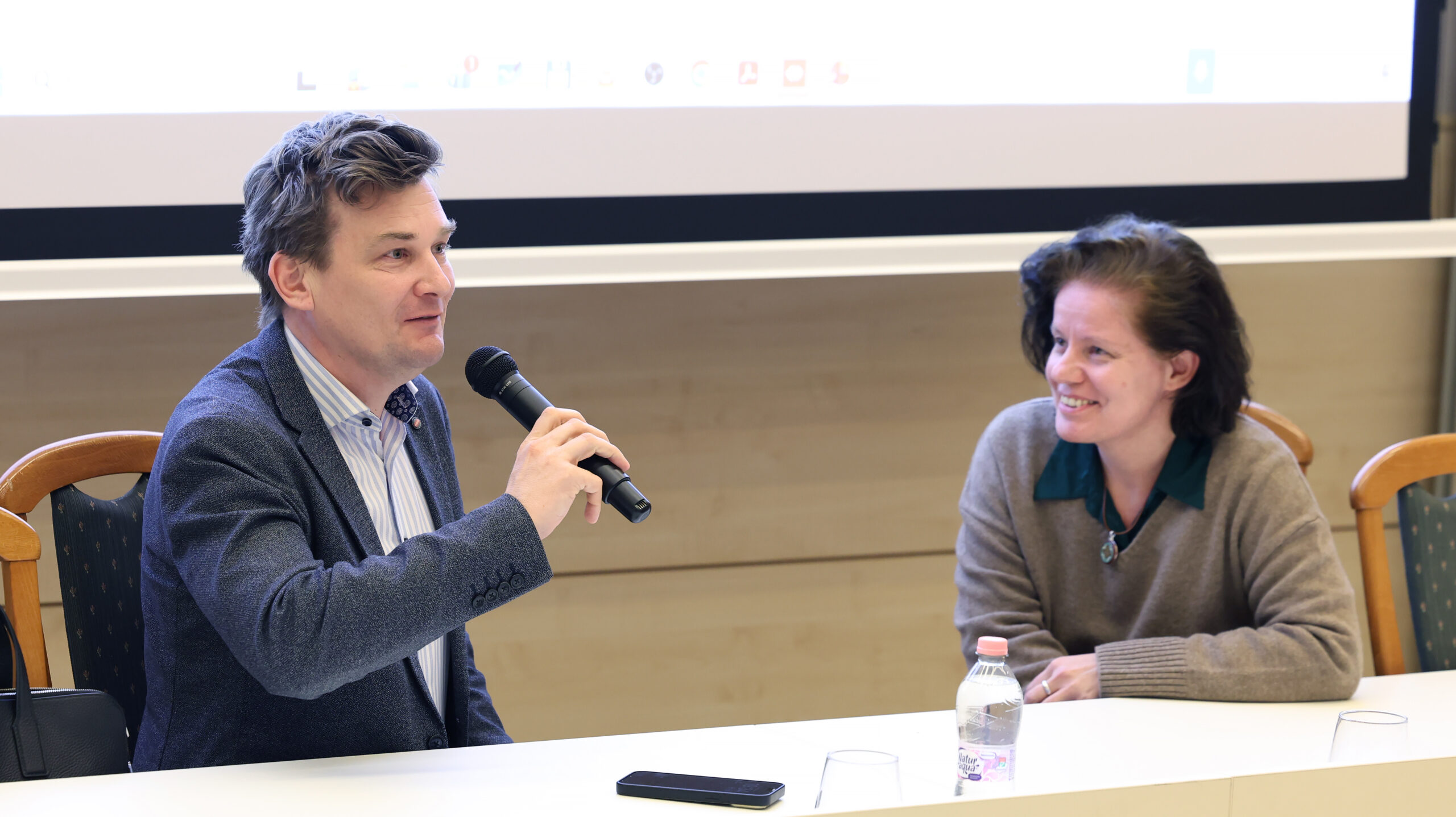
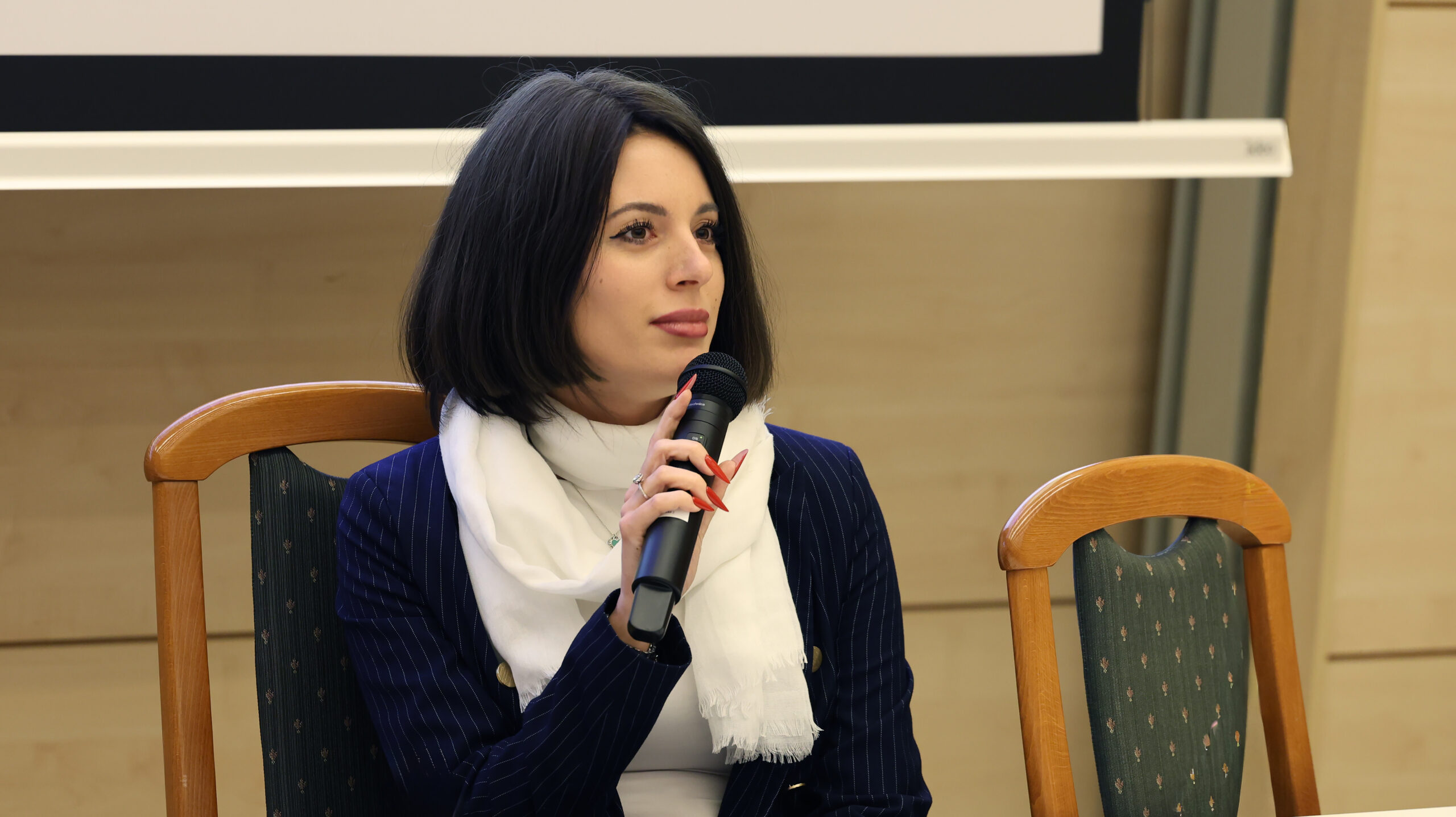
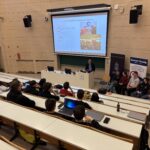
On January 22, 2026, scholarship recipients gained insight into the world of innovation at the XII. INNOMEET, an innovation evening hosted by Obuda University. Organized by the Obuda University Research and Innovation Center (ÓE EKIK), the event highlighted Obuda University’s role as a “third-generation” investor university, prioritizing the development of an internal innovation ecosystem. This mission is driven by the coordinated efforts of EKIK, Initium Zrt., the Innovation Office, and Obuda Uni Venture Capital (OUVC).
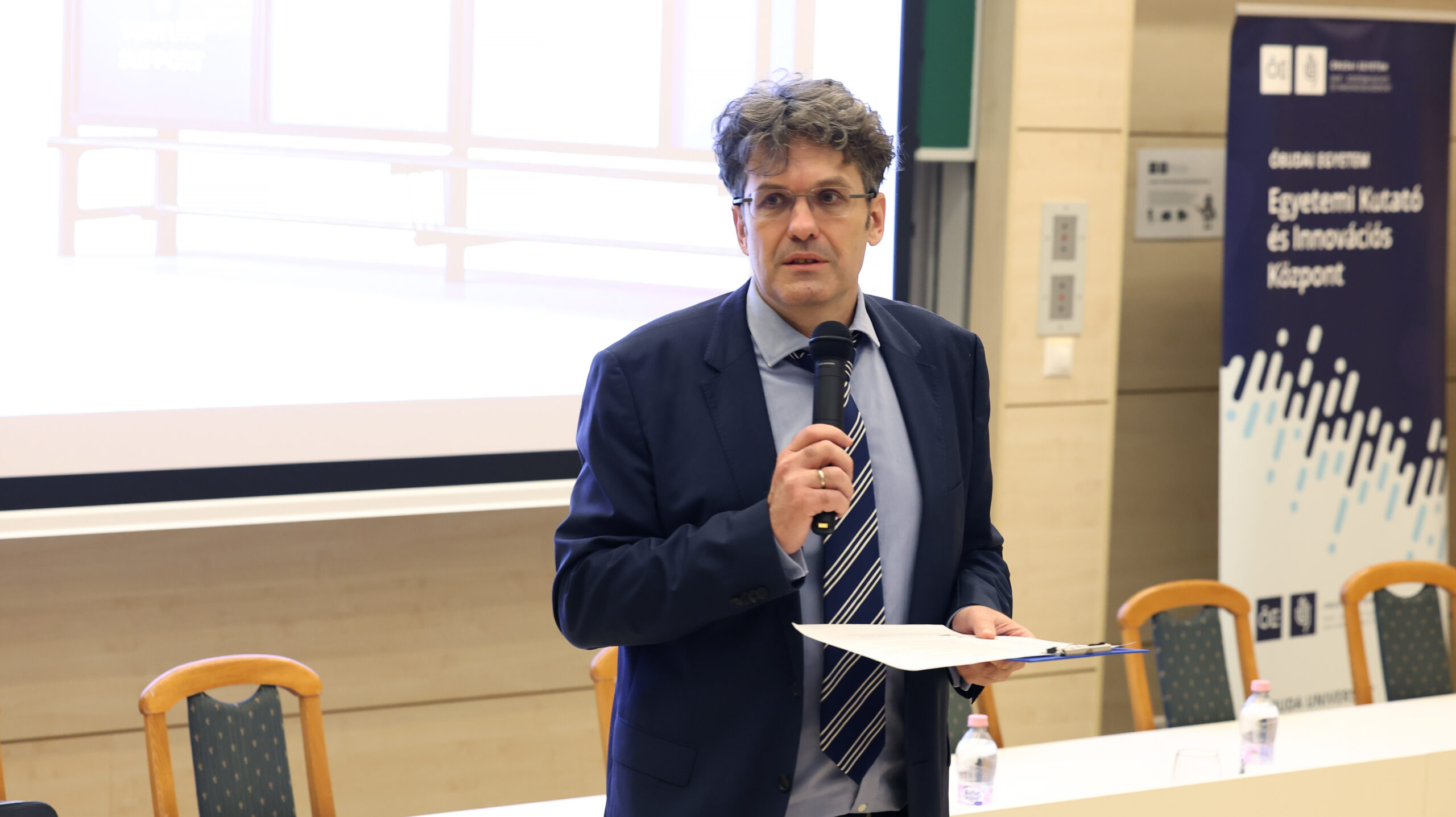
Dr. habil. Zsombor Zrubka, Director General of EKIK and a key expert in the STEAM Excellence Program, used a unique metaphor: the university ecosystem is like a transit network. There is a bus that takes you to prototype labs, one for legal protection, and one that goes straight to investors. The youth in our talent program are already working on projects and speaking the language of innovation. This event provided them with tangible examples, inspiring developments, and pitches that strengthened their entrepreneurial mindset and helped them navigate the path to investment.
“University innovation is not a lonely journey, but a well-organized ecosystem. By boarding the right bus, an idea can transform into a tangible, marketable development. We wanted to demonstrate this process to our guests,” summarized Dr. habil. Zsombor Zrubka.
More information about the other speakers and details of the event can be found at the following link: https://innovacio.uni-obuda.hu/xii-innomeet/
The fusion of science and art – Experience Workshop
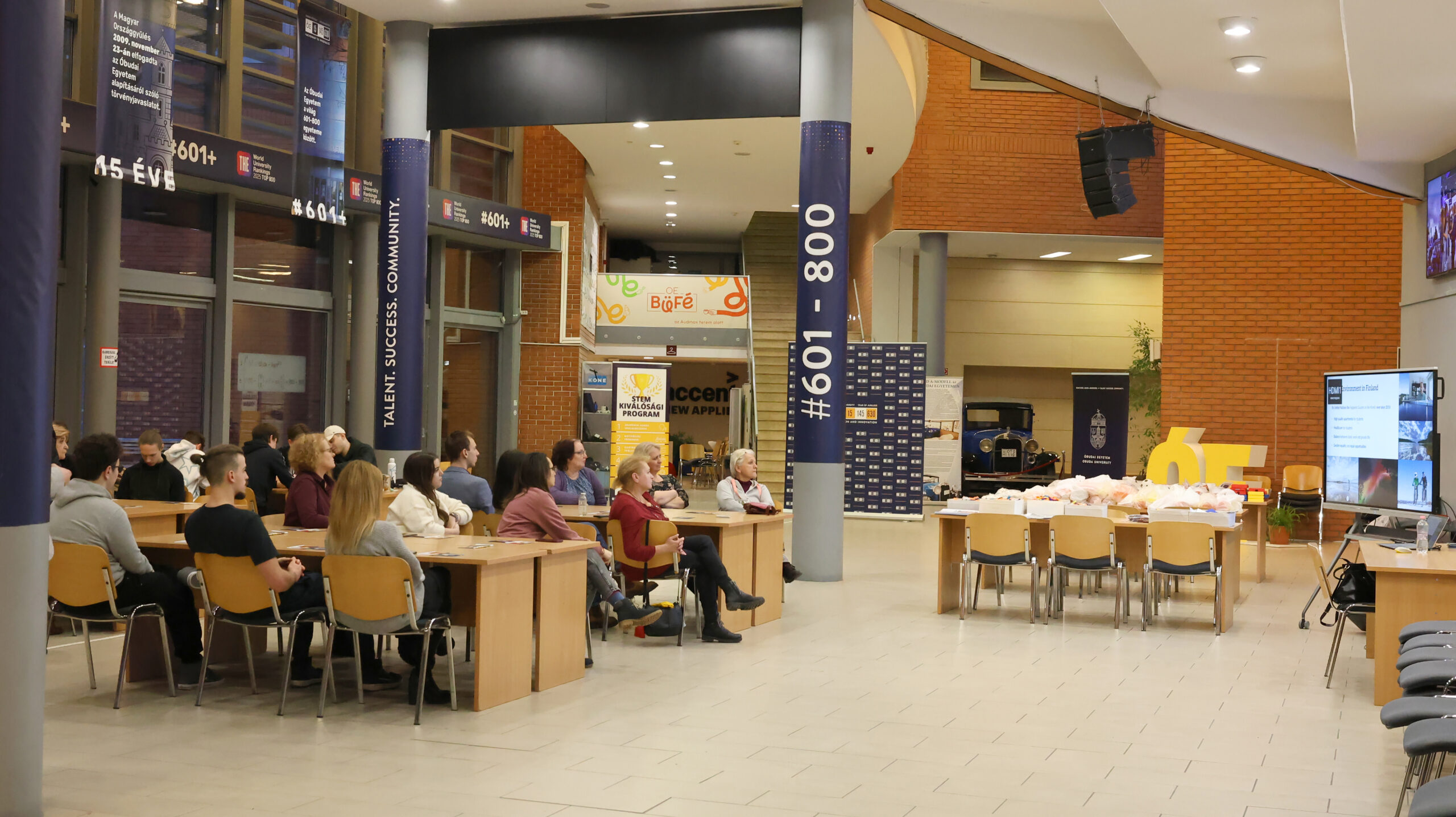
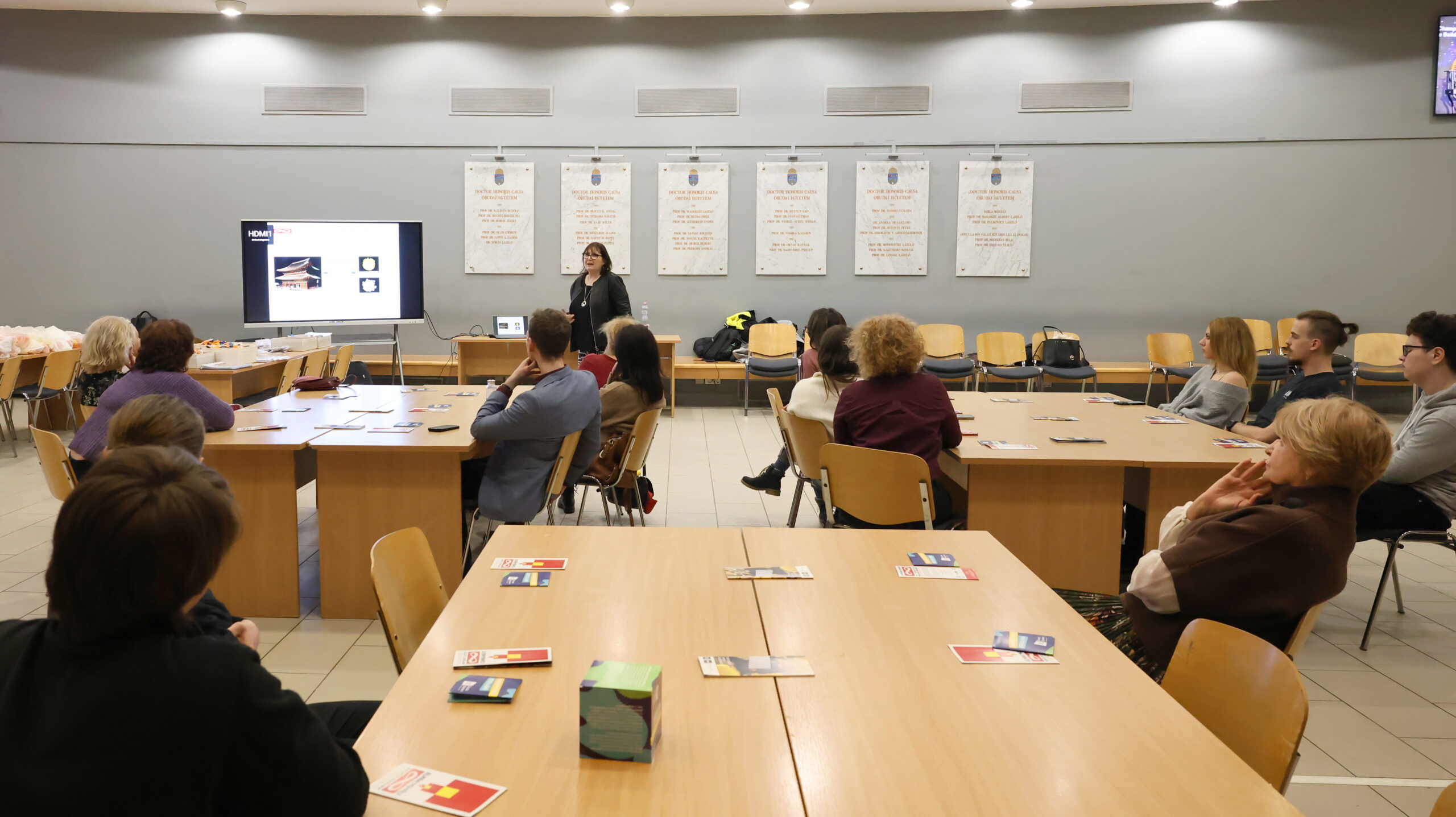
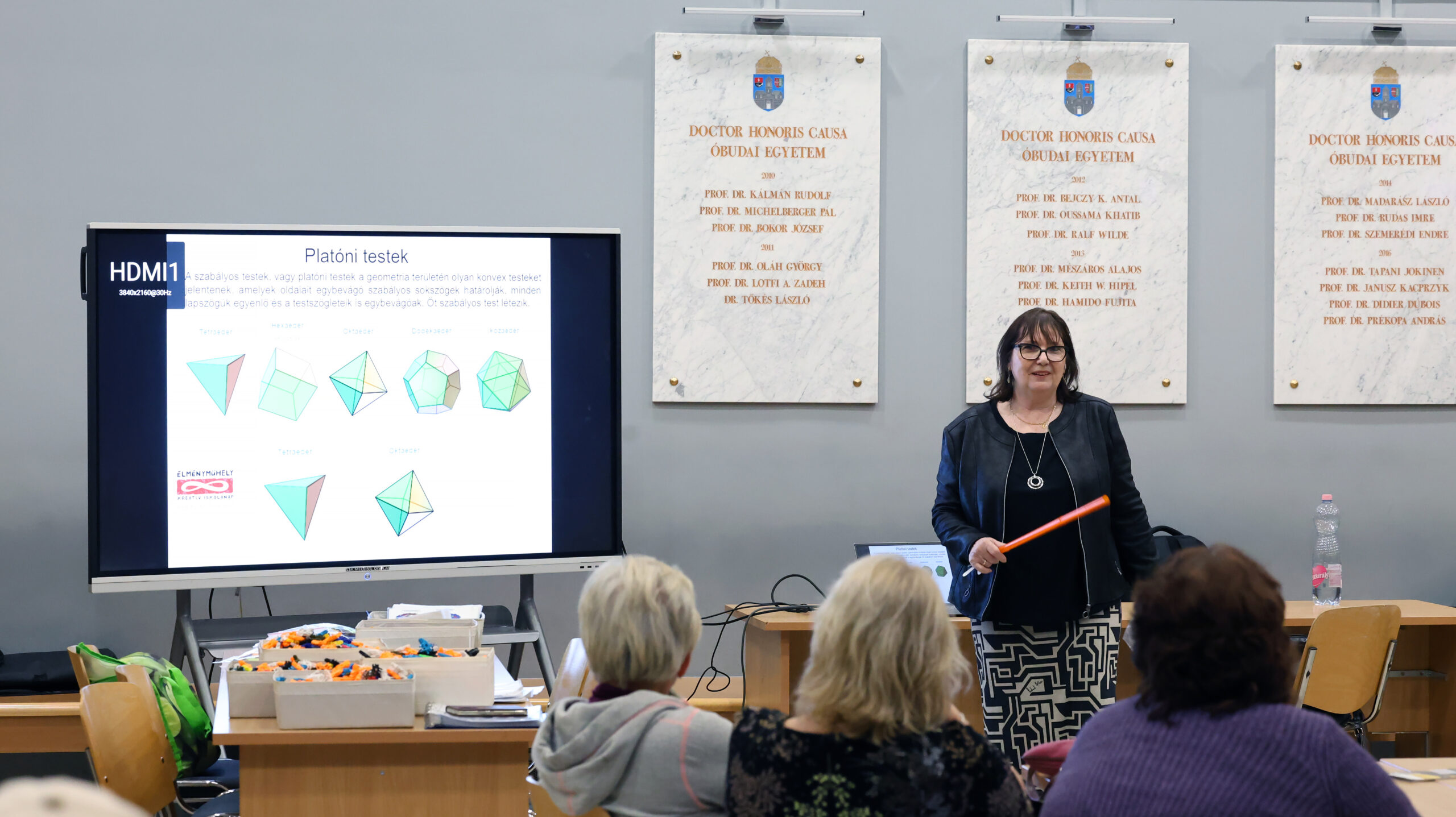
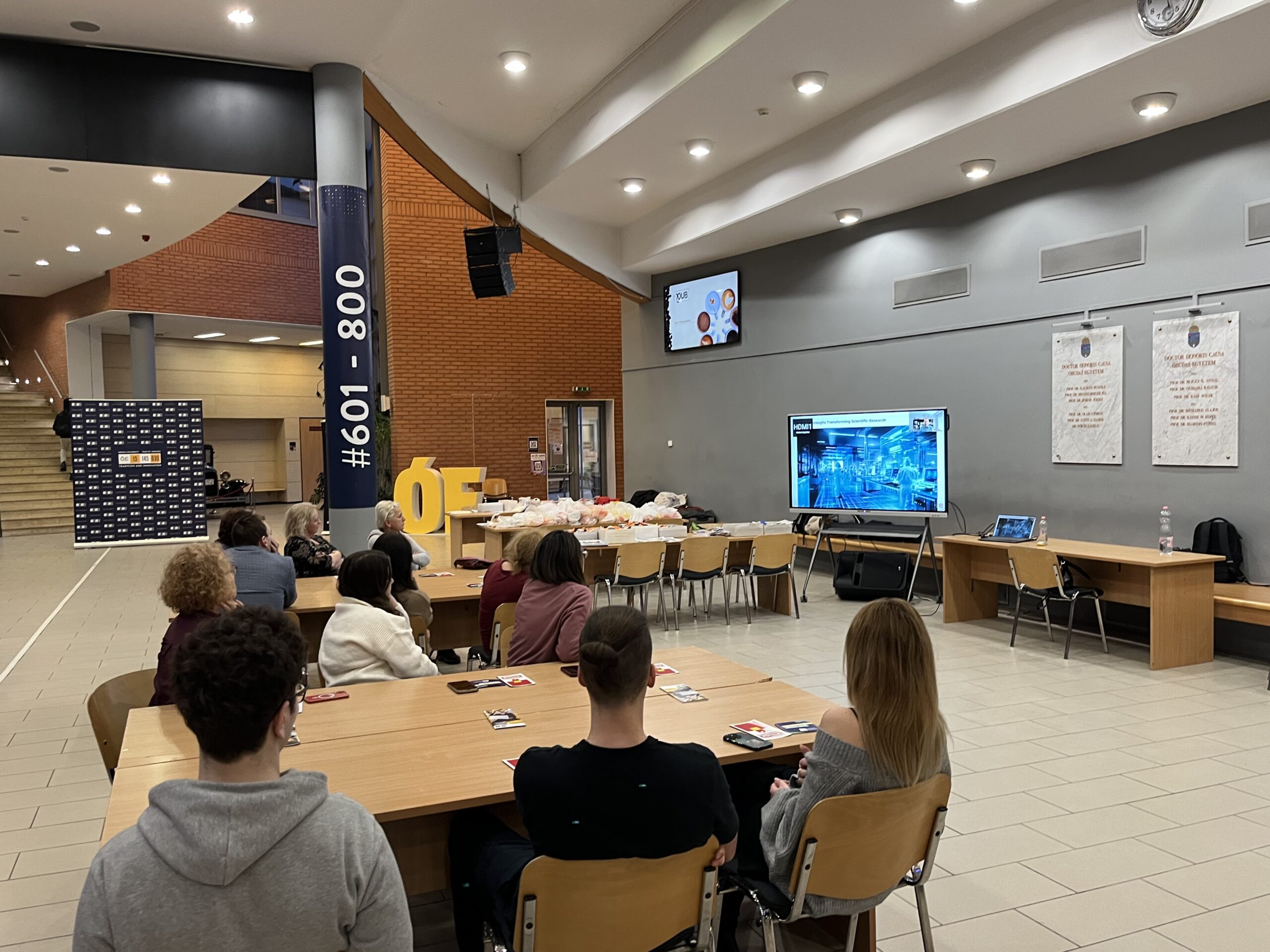
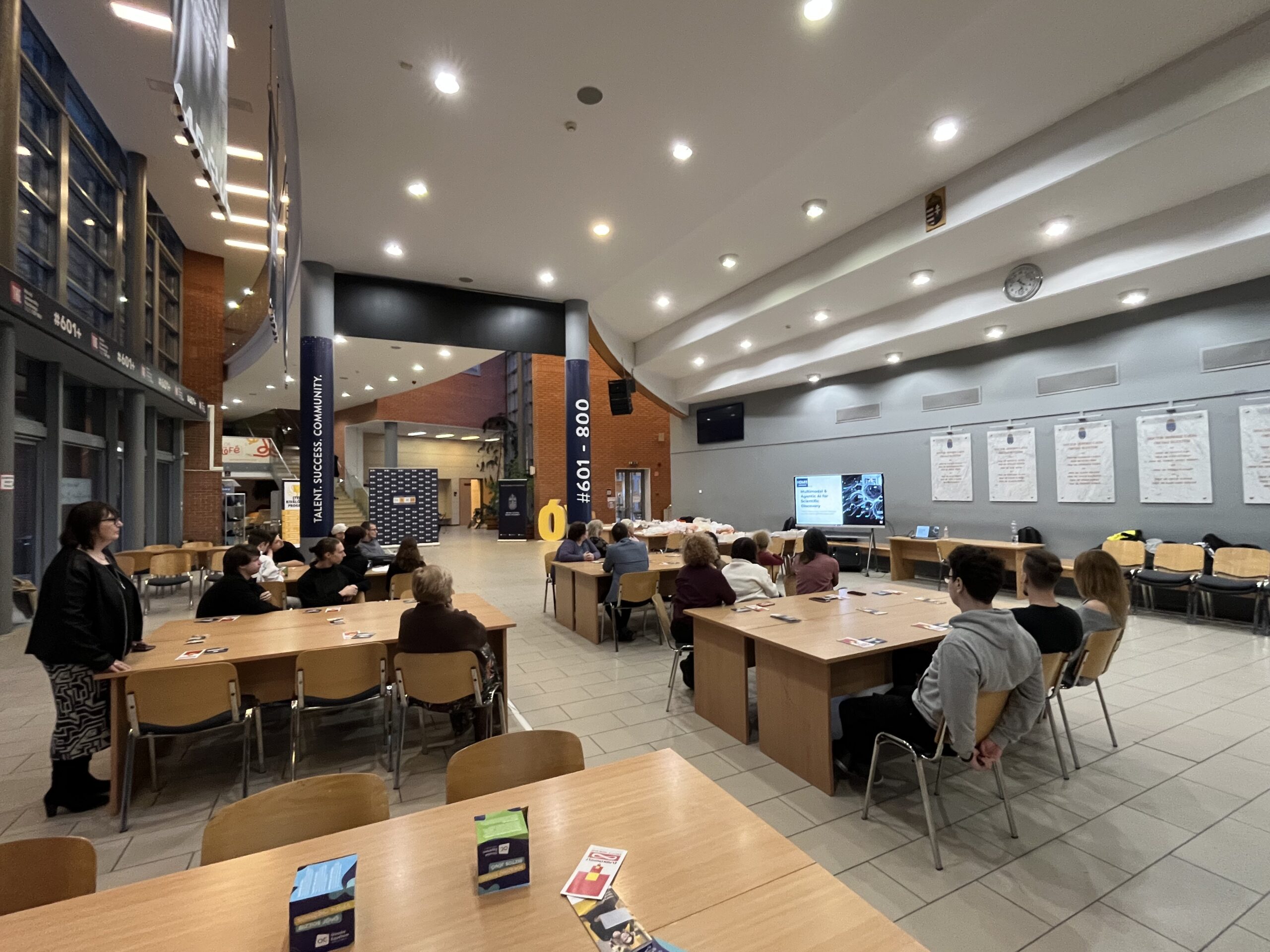
After reviewing the strategic foundations of the innovation ecosystem, the focus shifted to practical creation and breaking down disciplinary boundaries. On January 26, 2026, scholars participated in an interactive session by the Experience Workshop, discovering that engineering logic and creativity do not exclude—but rather require—one another. The program was led by Ildikó Szabó (math-physics teacher, “Bonis Bona” awardee, and pedagogical lead of Experience Workshop) and Dr. Kristóf Fenyvesi (educational researcher and STEAM workshop leader at the University of Jyväskylä, Finland). Using STEAM methodology, they proved that mathematics is not just a system of abstract formulas, but a source of shared experiences and “eureka” moments. Joining from Finland, Dr. Kristóf Fenyvesi defined AI as a “virtual scientific collaborator” capable of generating hypotheses and modeling complex processes like “protein origami” or evolutionary simulations. He also addressed the sustainability challenges regarding the massive energy consumption of AI systems and introduced a new practice-oriented engineering program launched by the University of Jyväskylä and Nokia, which blends immersive programming with AI.
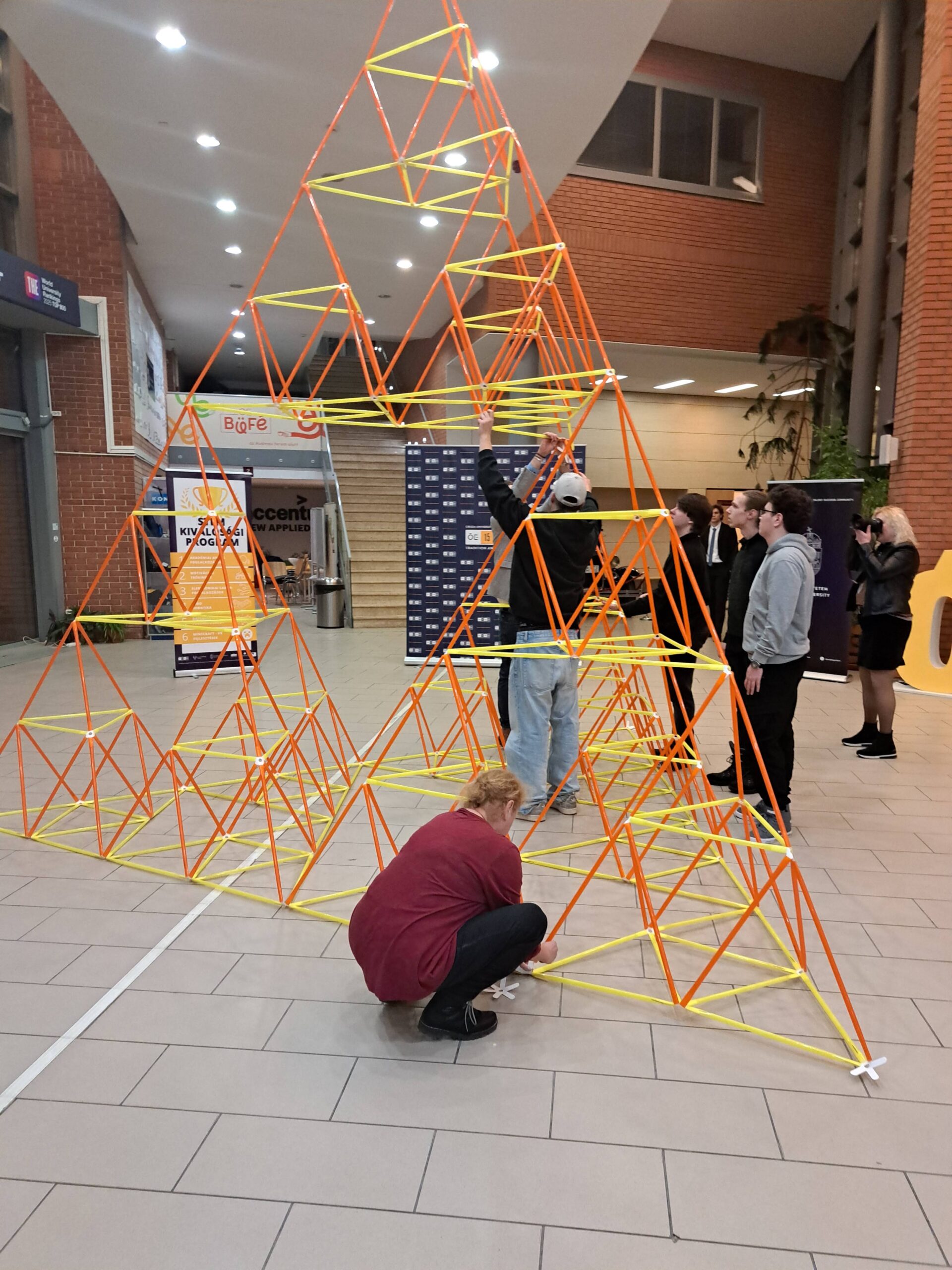
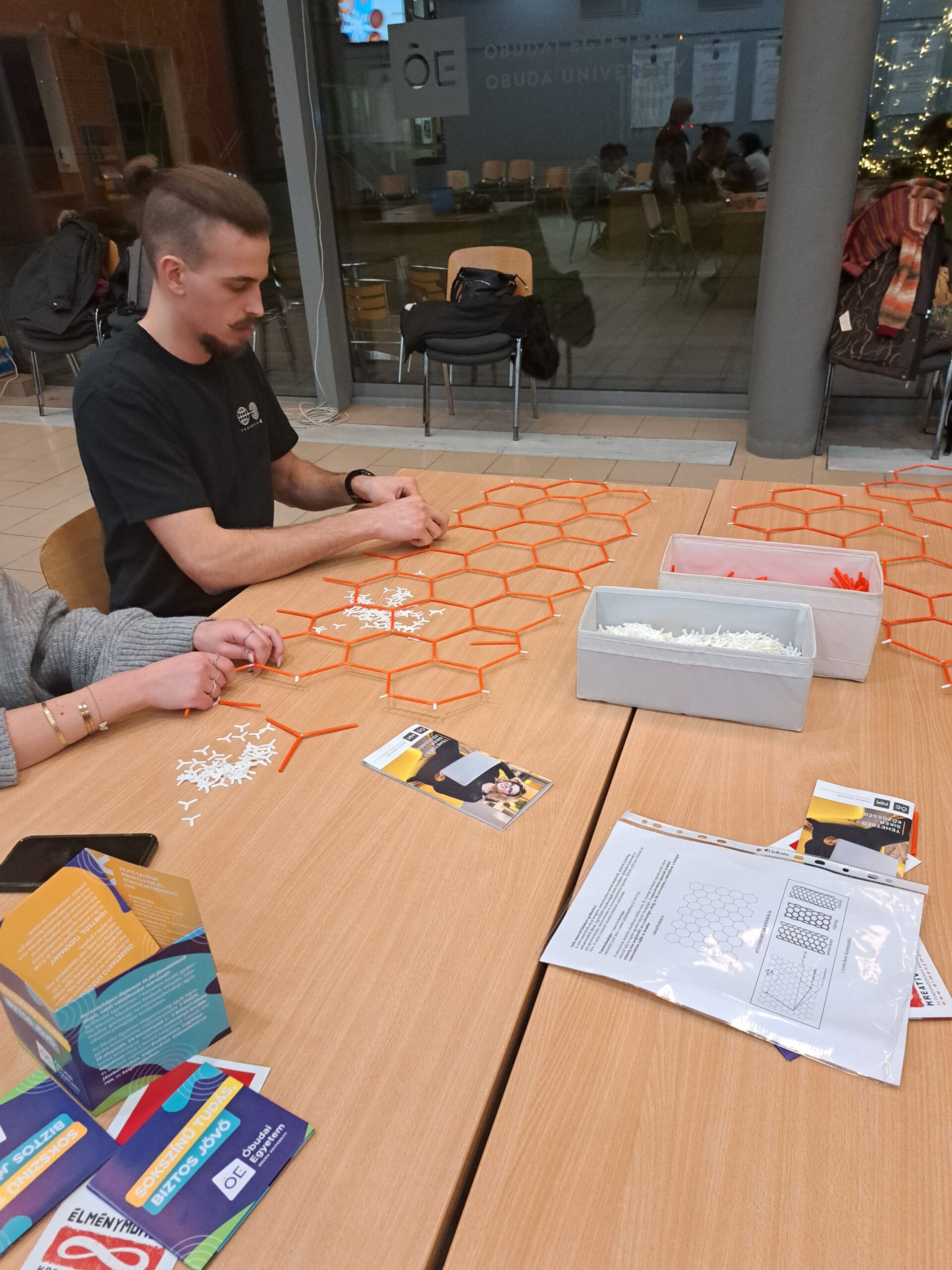
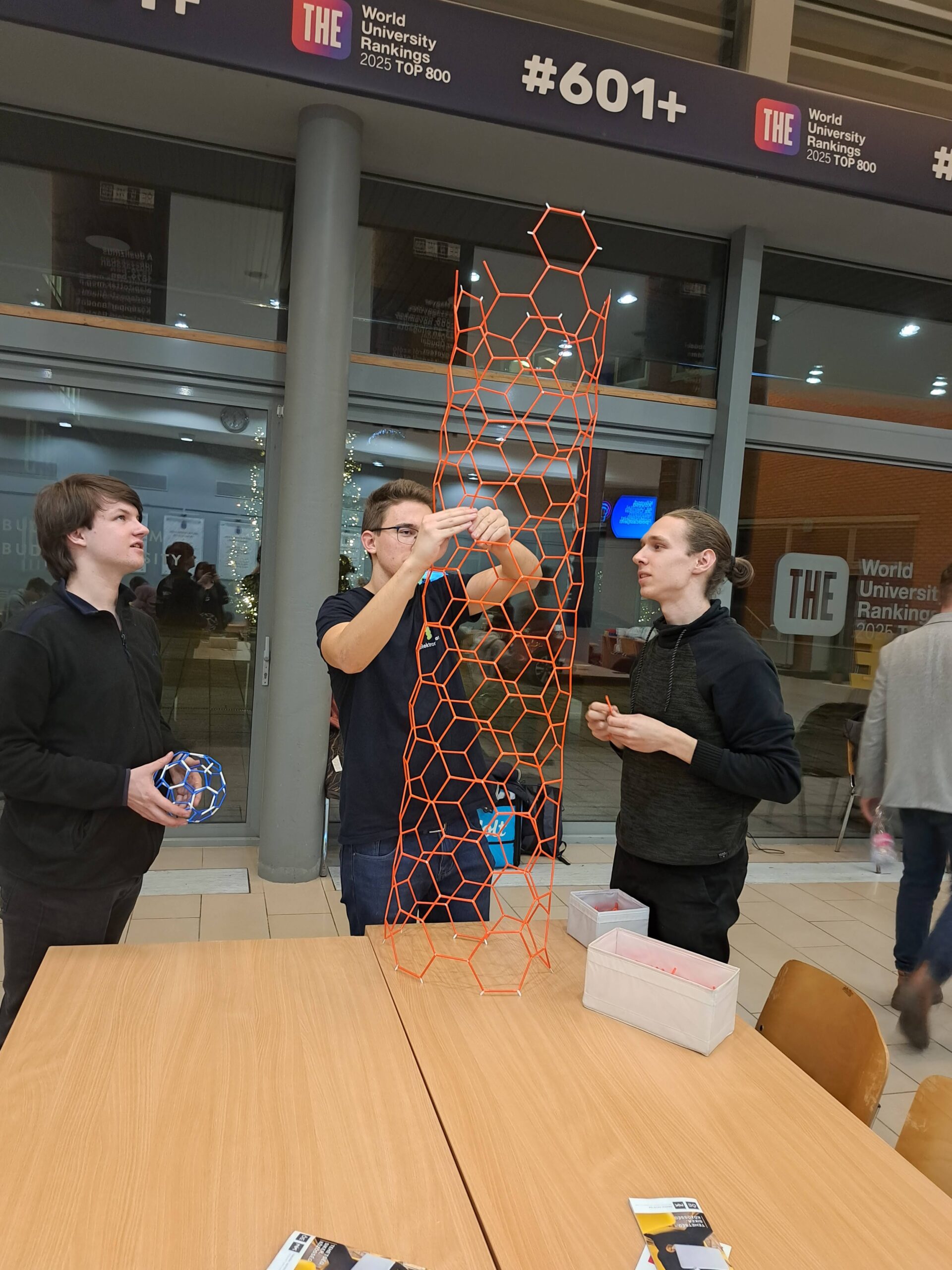
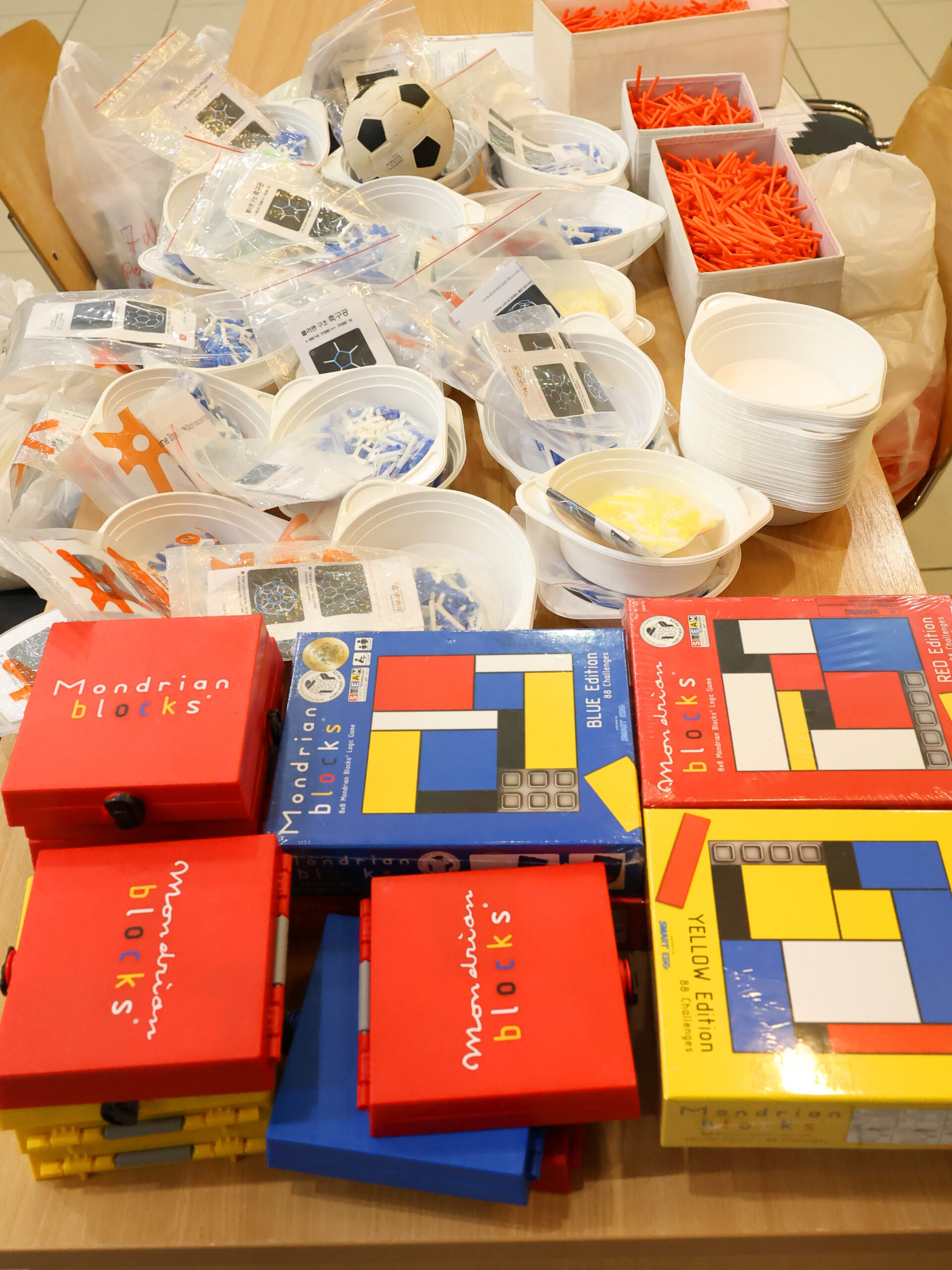
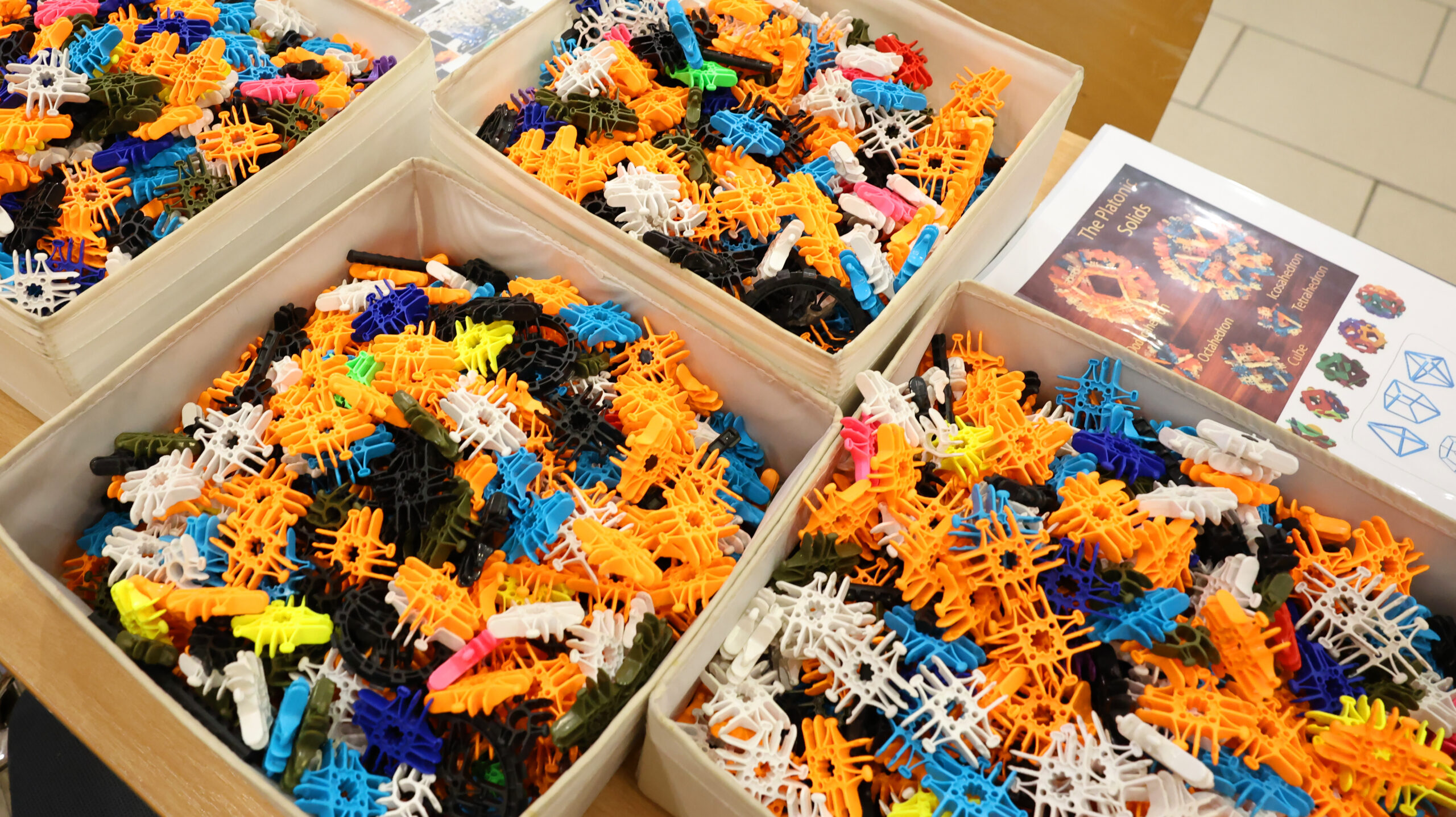
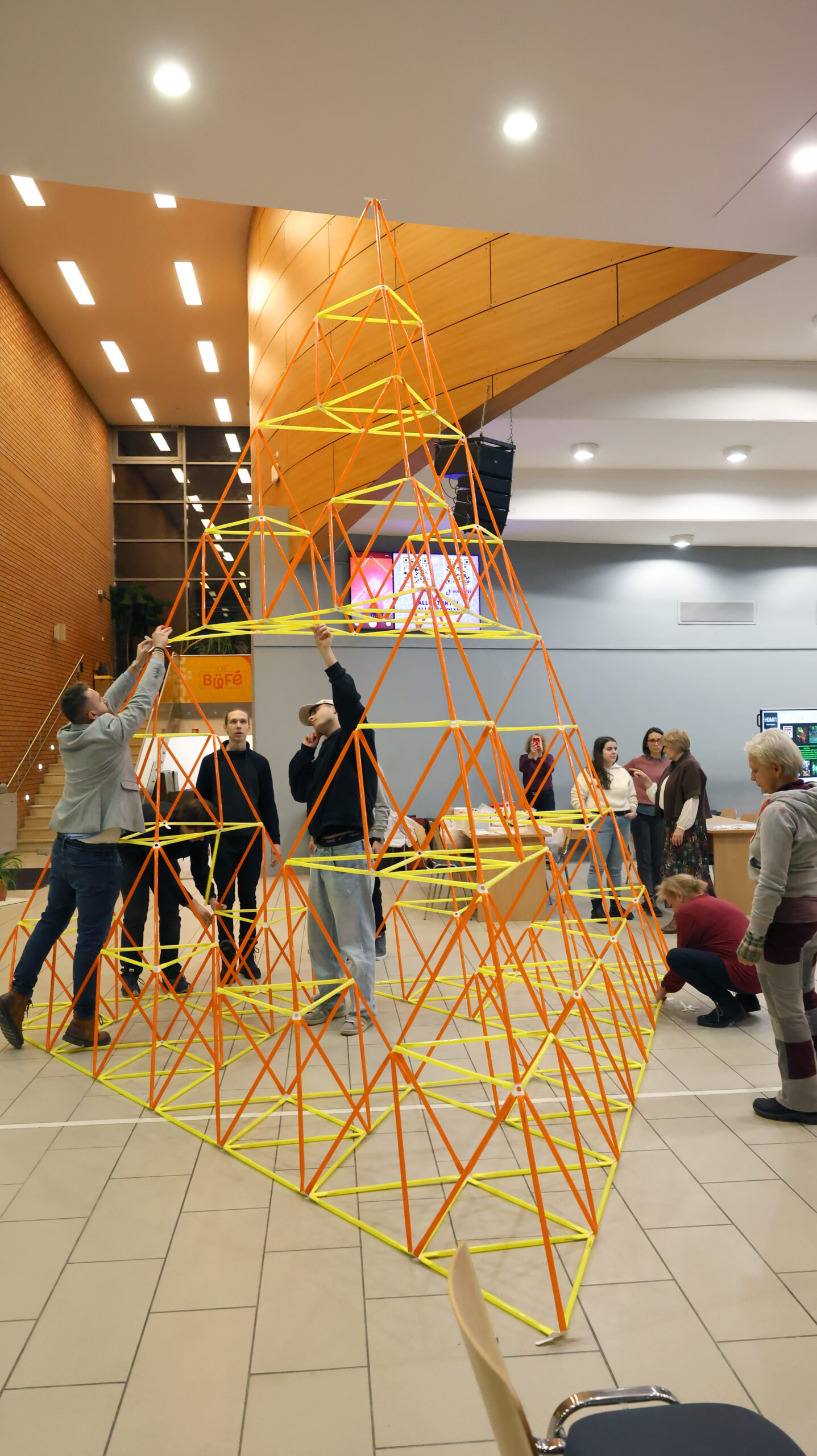
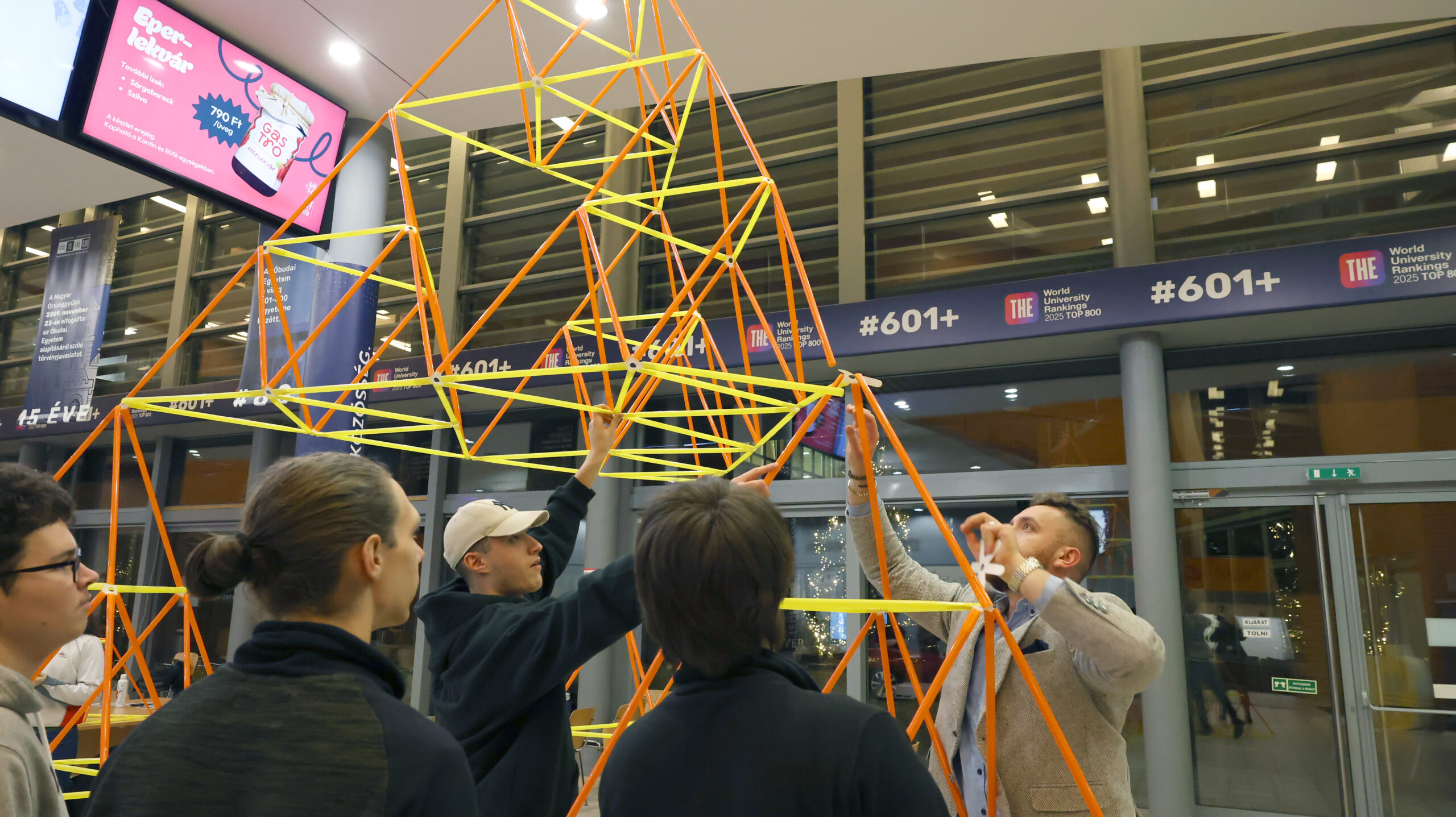
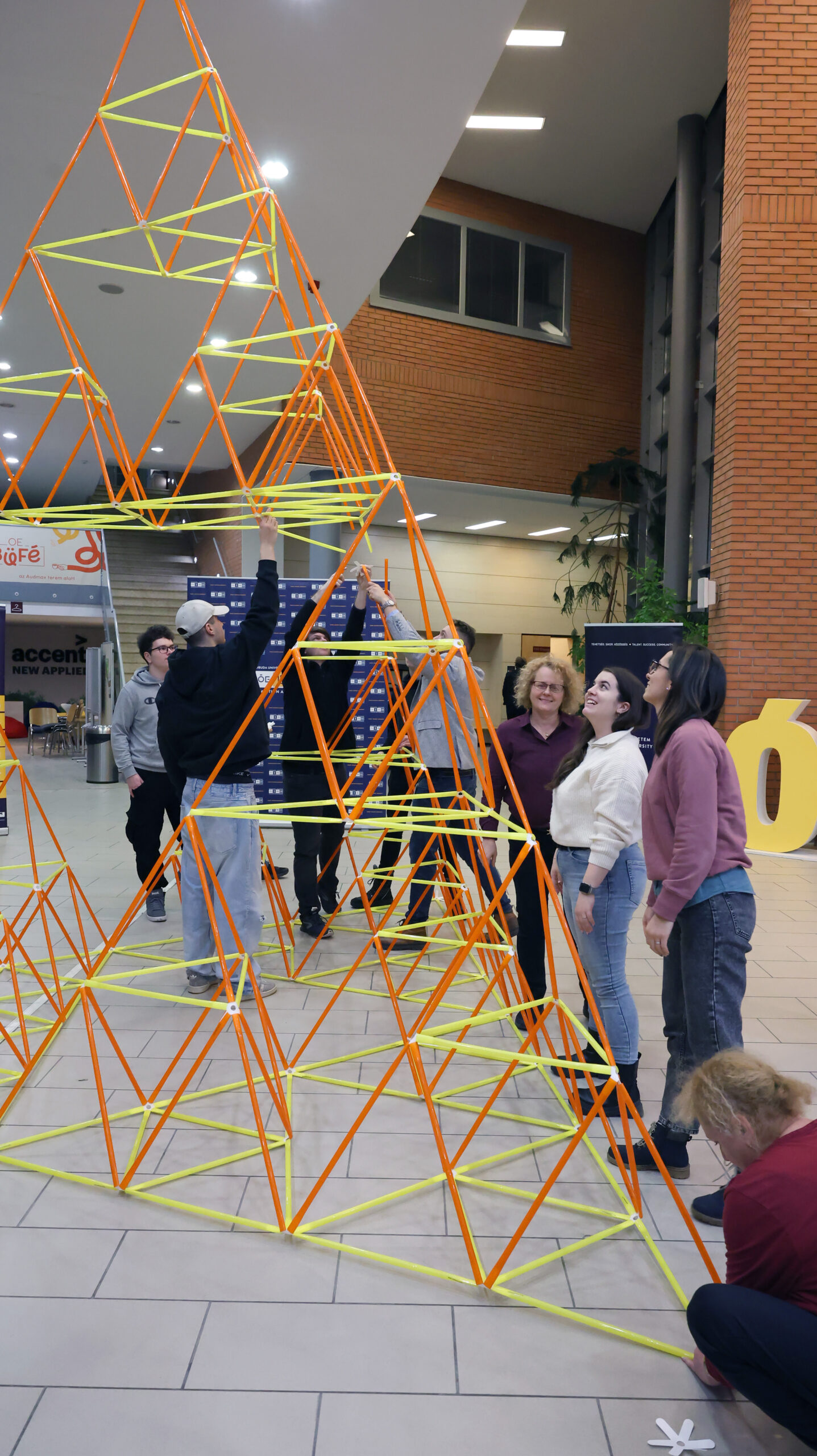
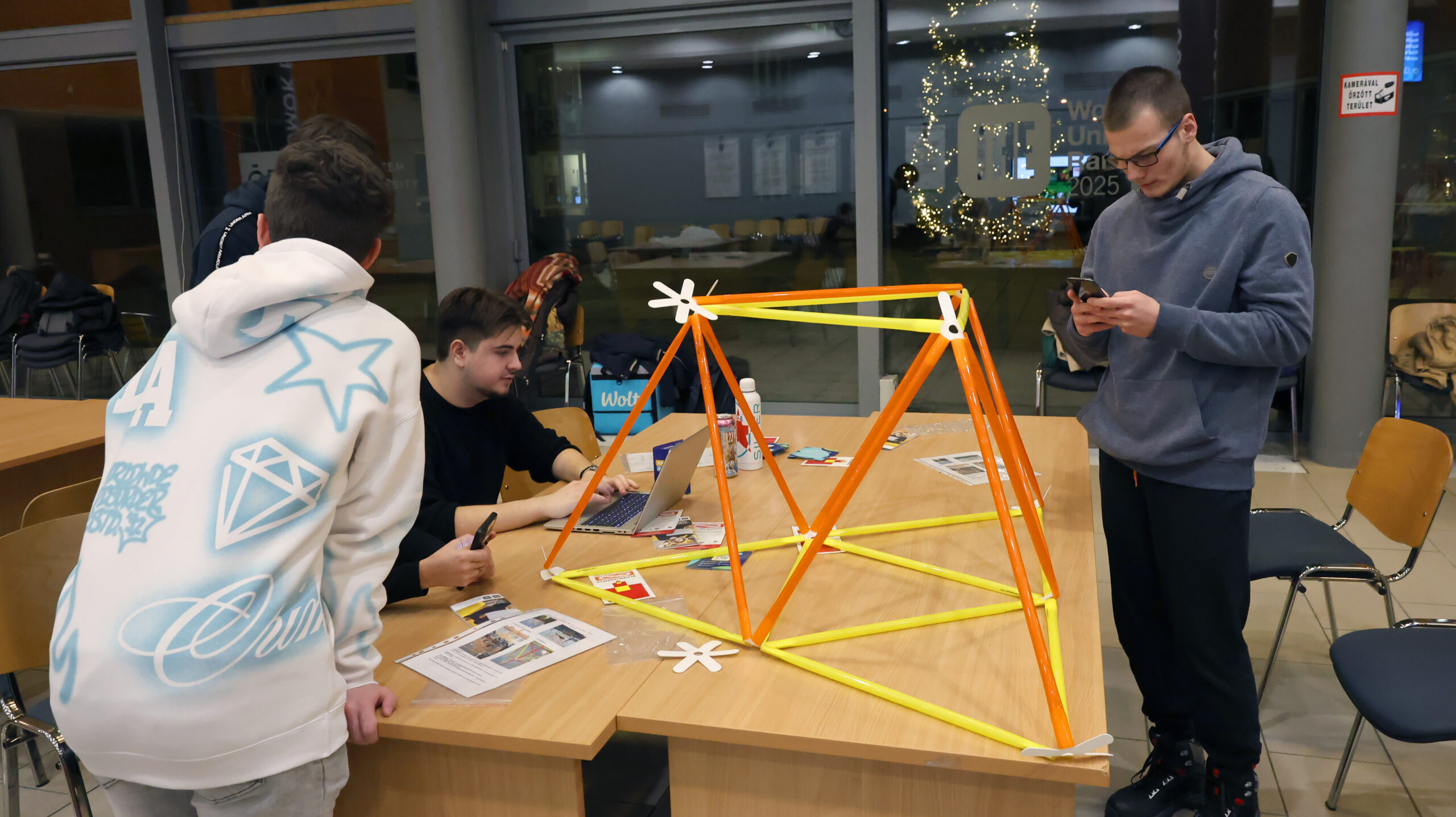
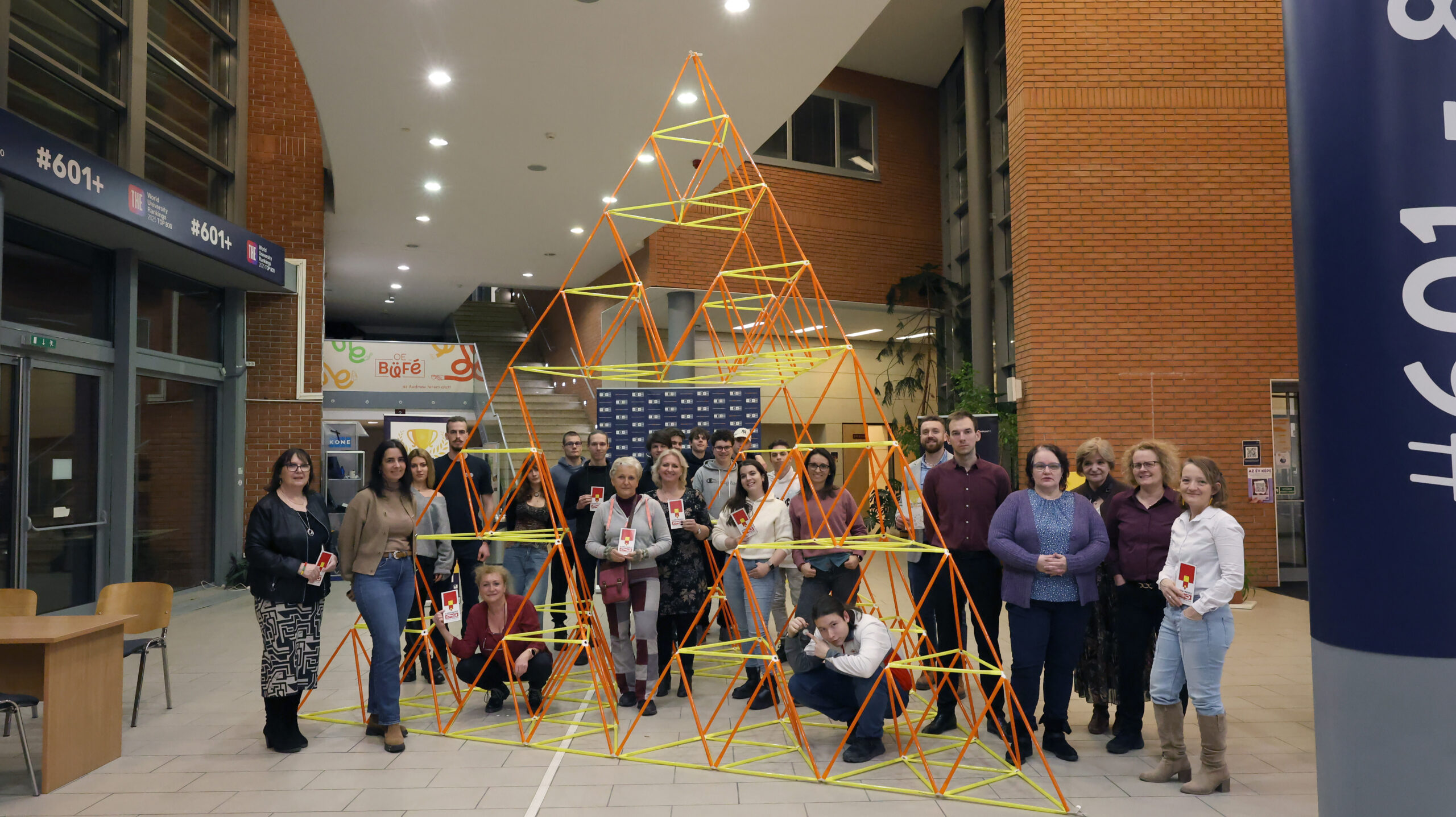
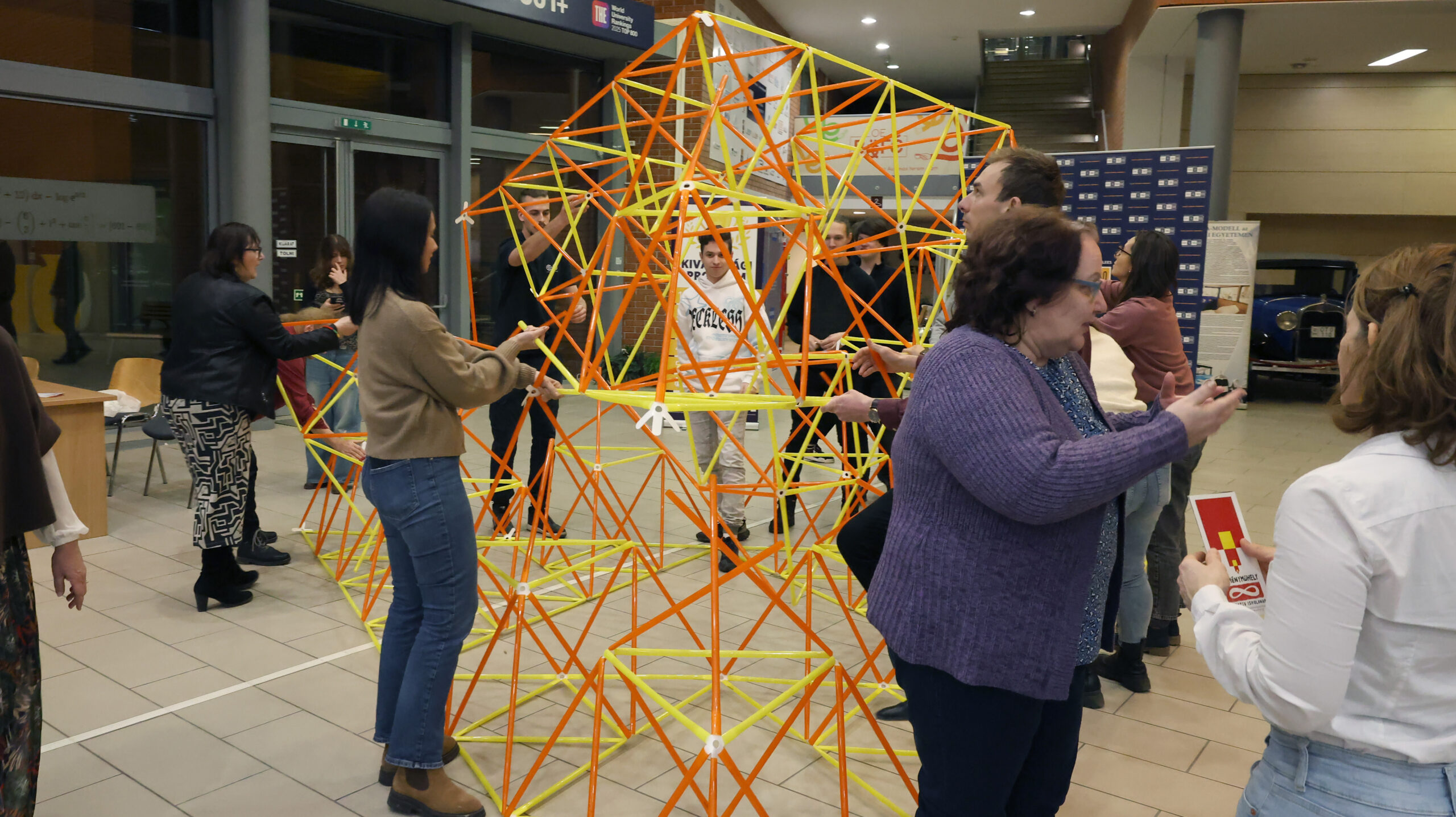
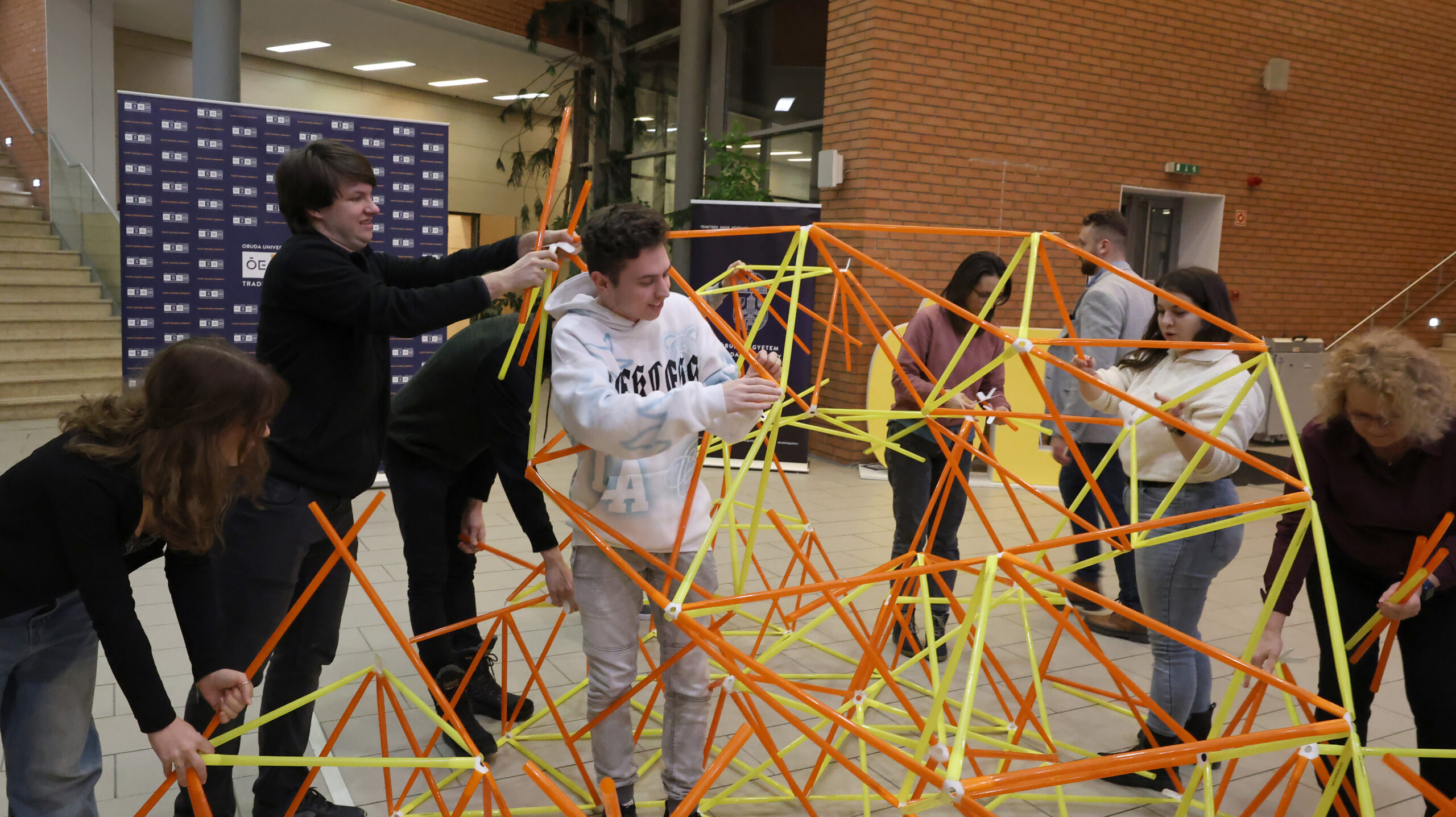
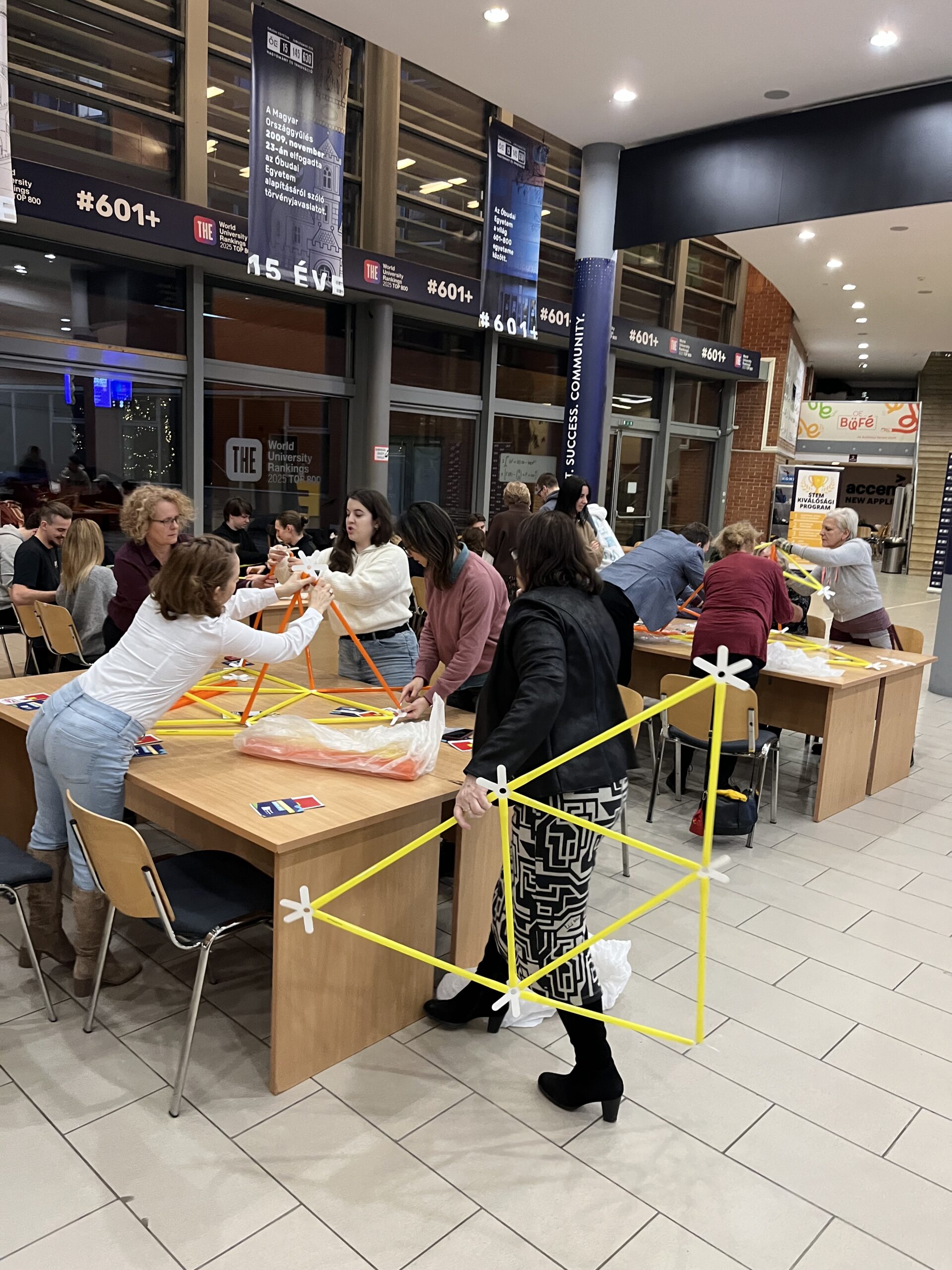
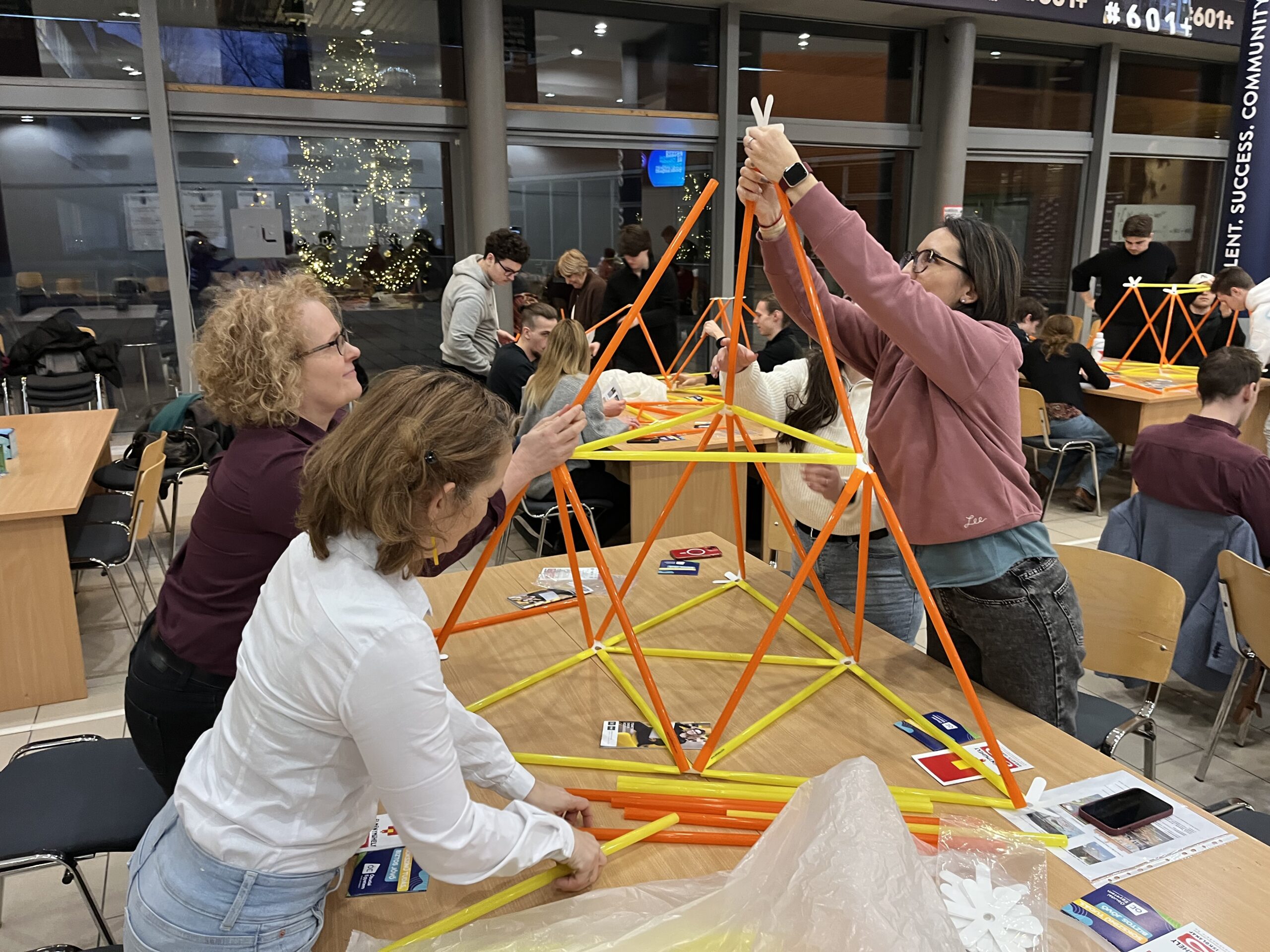
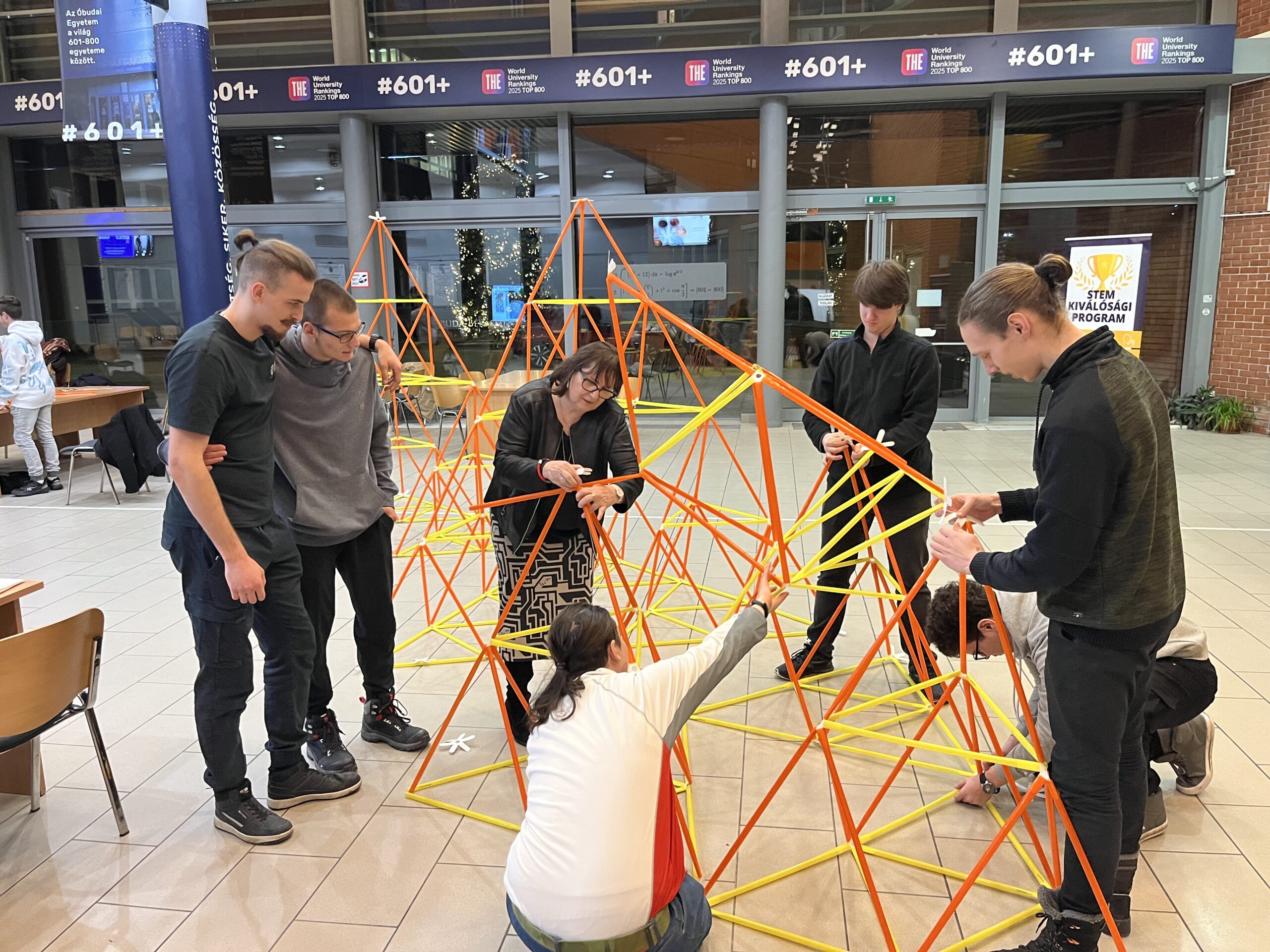
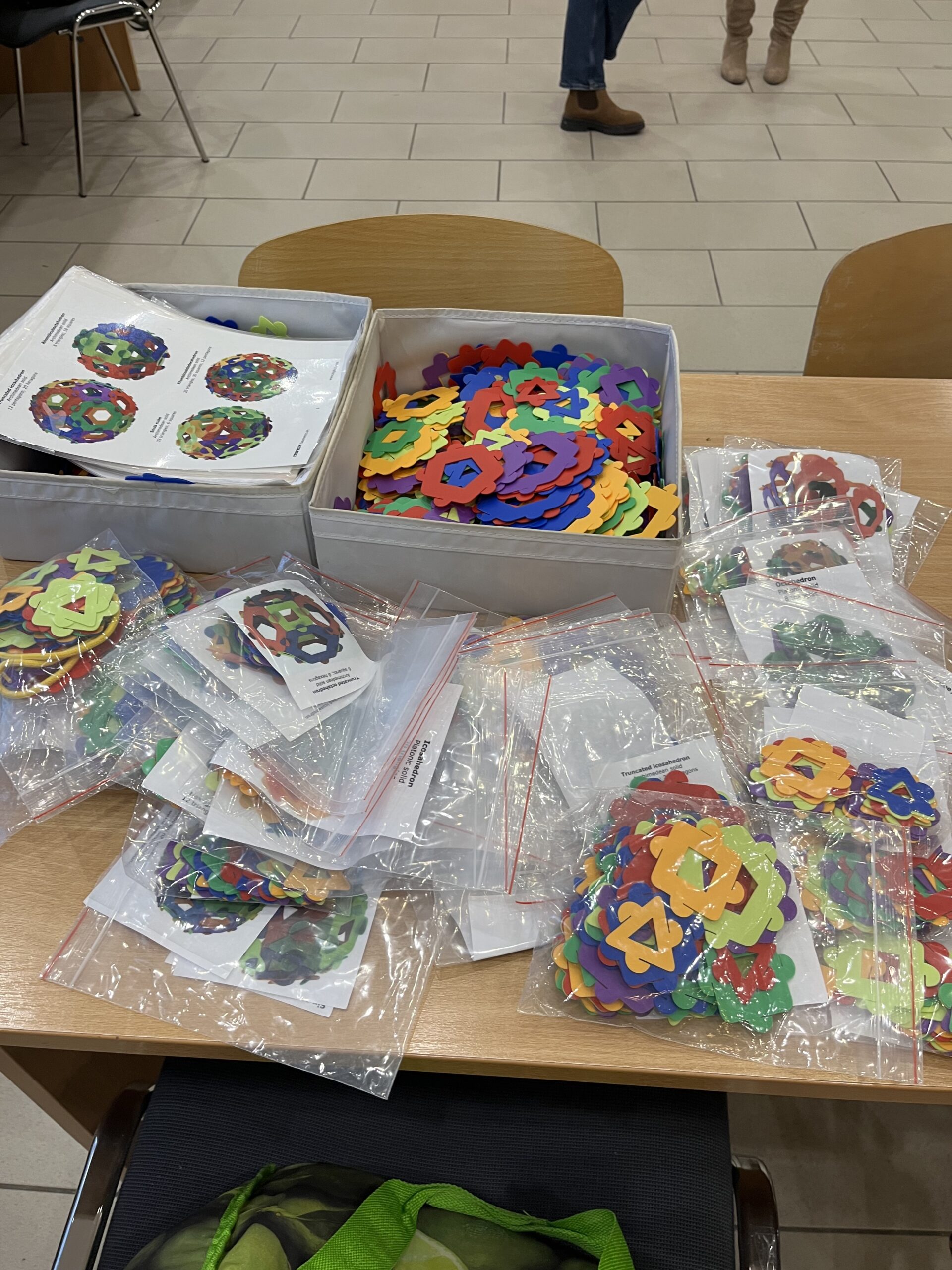
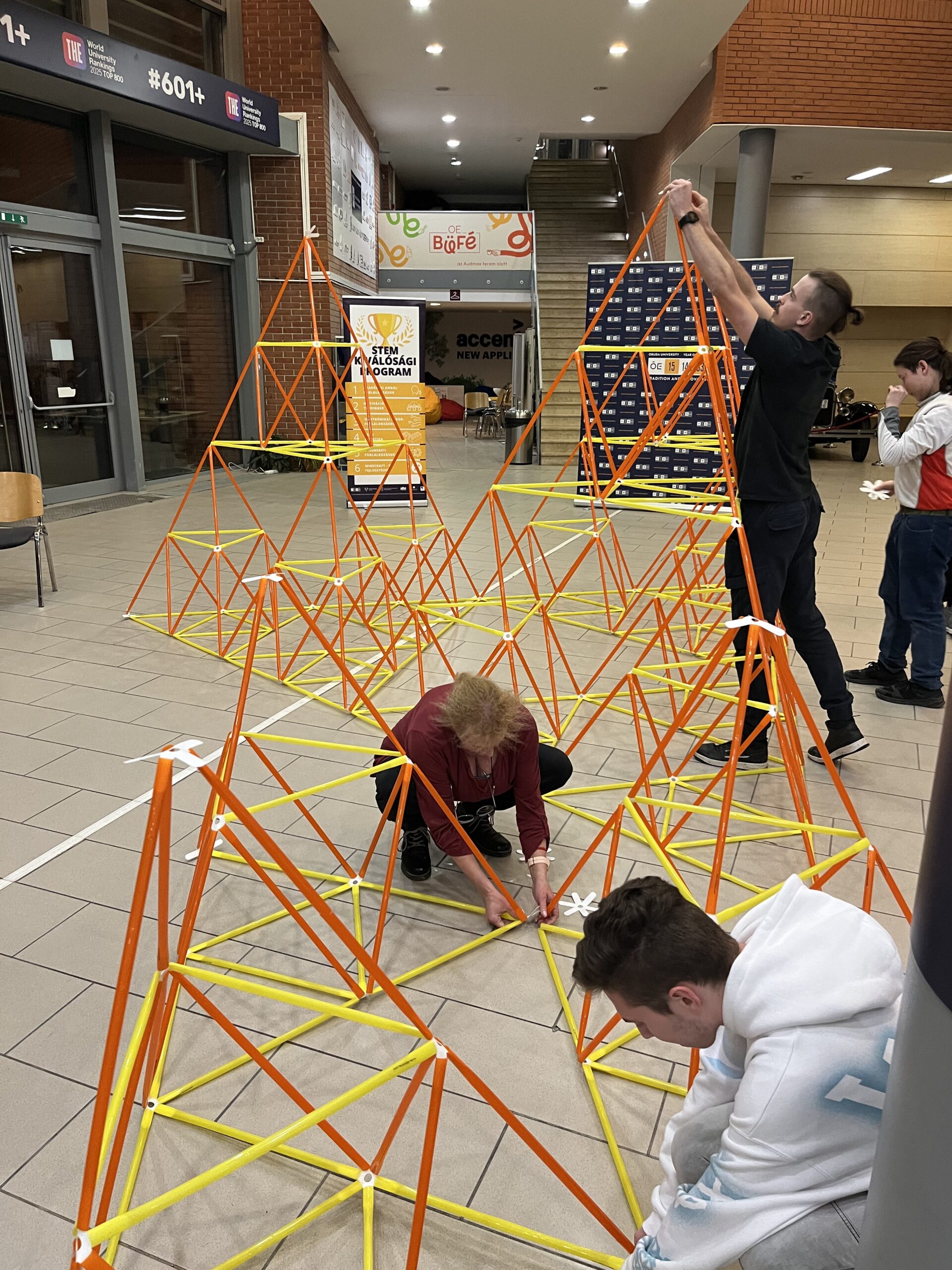
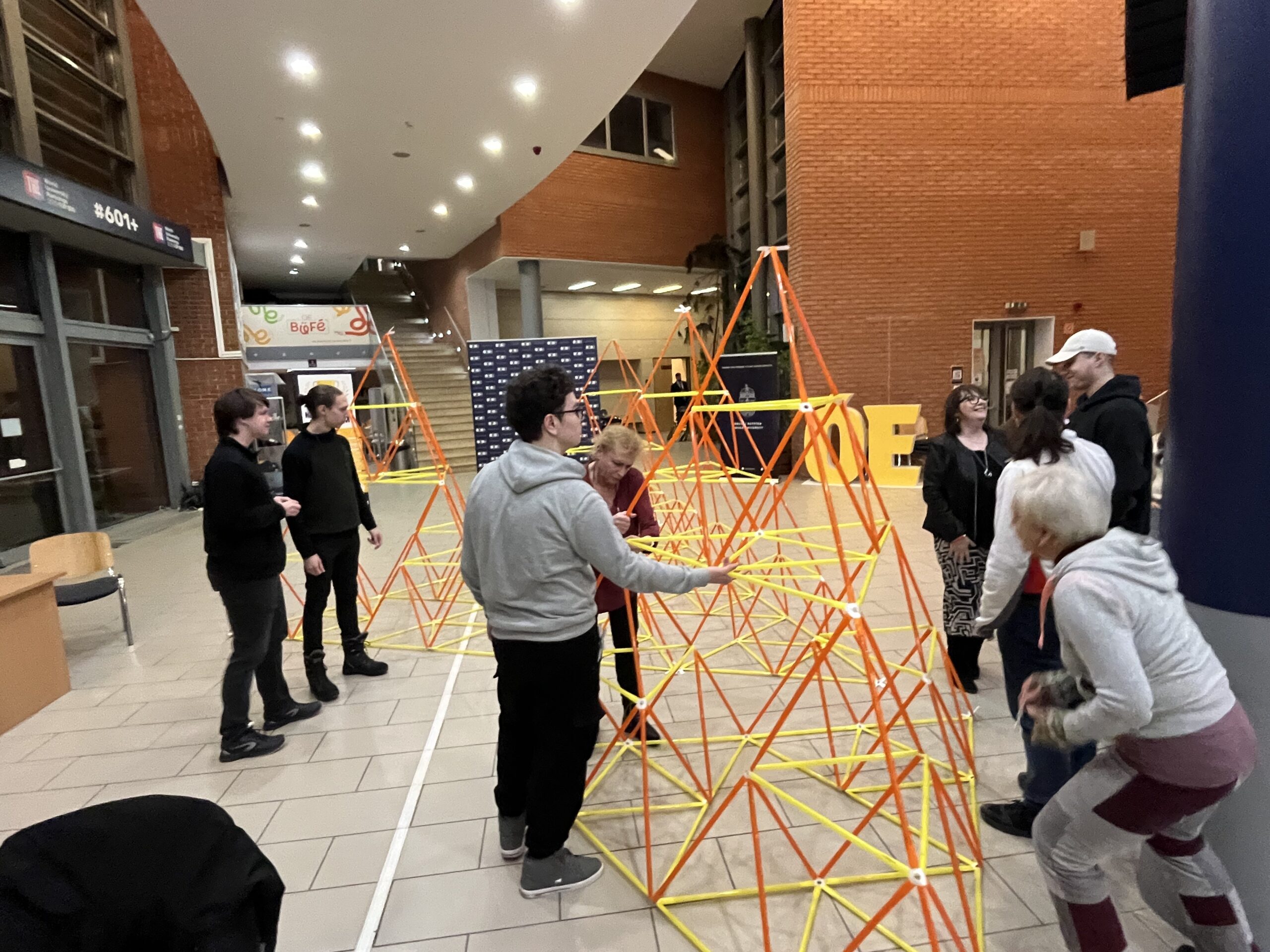
Using 4Dframe and other specialized modeling kits, participants linked theory to physical reality by building complex structures like the Sierpinski tetrahedron. This process made the mathematical concepts of fractals and self-similarity tangible while demonstrating the power of teamwork. The intellectual journey spanned from Platonic solids to modern materials science, as students modeled fullerene molecules and graphene lattices, bridging the gap between geometry and the nanotechnology defining the future.
This holistic approach did not stop at manual creation; the presentation of the operating principles of artificial intelligence and quantum computers highlighted the deep connections between biology, chemistry, and architecture. For the scholars, the program meant not only technical knowledge expansion but also the development of flexible, systems-level thinking, reinforcing the realization that true innovation stems from the integration of scientific fields and the joy of community creation.
Learn more about the organization and its programs here: https://experienceworkshop.org/hu/
Talent support and olympiads at the NJSZT Talent Day
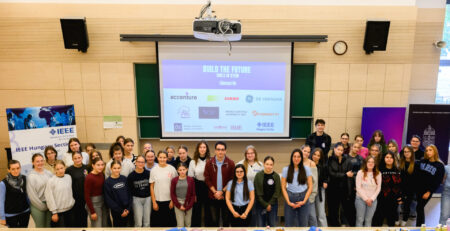
Following the creative creation and deepening of the STEAM perspective, attention turned toward the competitive and professional peaks of the informatics world on January 28, 2026. Scholars participated in the Talent Day of the John von Neumann Computer Society (NJSZT), where Hungary’s oldest IT organization provided insight into the training of future professionals. The program focused on the development of algorithmic thinking, competitive programming, and artificial intelligence, highlighting how foundations acquired in high school can flourish into a professional level during university years.
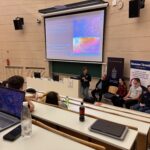
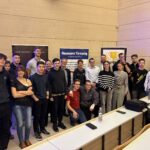
The most defining experience of the day was the roundtable discussion with “contemporary role models,” moderated by Gábor Képes, the society’s Cultural Director. Dr. Ágnes Erdősné Németh, Director responsible for talent management, introduced—acting as a professional mentor—the young talents who have already proven their knowledge at international Olympiads and AI competitions: Júlia Éles and Péter Szente: former informatics Olympians who, as university students, now help young people as trainers and team leaders. Milán Bagladi and Barbara Szabó: organizers and trainers for the Artificial Intelligence Olympiad in Hungary.
As part of the dialogue, scholars asked targeted questions about the practical applications of AI, its social impacts, and even its influence on sports performance and sports analysis. In the spirit of future planning, students could ask the talent mentors for direct advice regarding further education opportunities and the early stages of a scientific career. During the conversation, heavy emphasis was placed on interdisciplinarity: the participants’ experiences confirmed that combining different fields of science—regardless of the chosen major—represents a fundamental advantage in both the modern labor market and research.
Learn more about the organization and its programs here: https://njszt.hu/hu
What do these three programs have in common?
Although the three programs seemingly touched on different areas—from business utilization to artistic integration and competitive programming—a common thread runs deep: crossing boundaries and systems-level thinking.
“All three events proved to the scholars that the key to 21st-century success is not the self-serving accumulation of lexical knowledge, but interdisciplinarity. Whether it is EKIK’s ‘innovation bus,’ the bridge-building role of the STEAM methodology (Experience Workshop), or NJSZT’s talent management, the message is the same: scientific fields can no longer be separated from each other. The common lesson of the programs is that passive theory can only be shaped into true, socially beneficial innovation through community creation and practical application,” summarized Zoltán Márton, head of the STEAM Office and the Hungarian STEAM Platform.
Our STEAM Excellence Program is funded by the National Talent Programme under the grant NTP-STEM-25-B-0006.