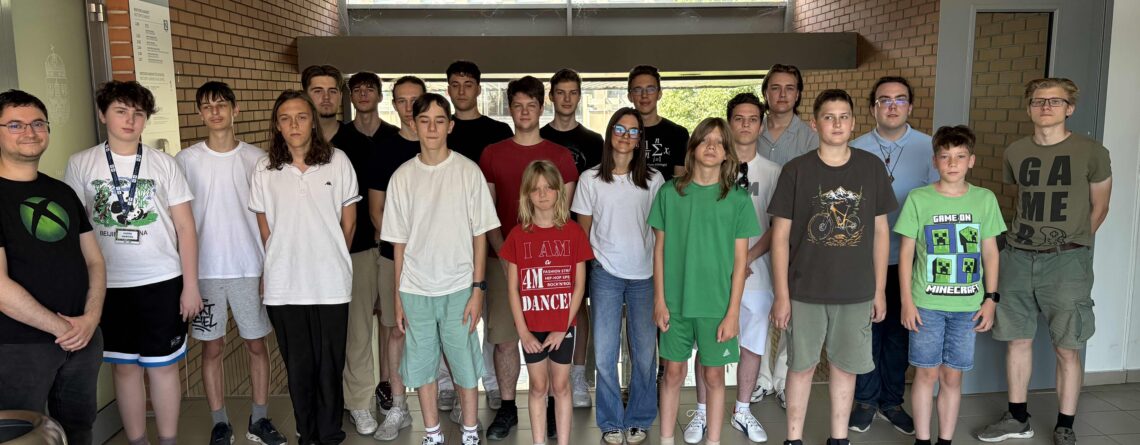
Summer Children’s Universities at Obuda University – Our Minecraft-based, Cybersecurity, and Excellence Camps ended successfully!
marton.zoltan2026-08-08T13:16:07+02:00Game-based methodology and digital wellbeing
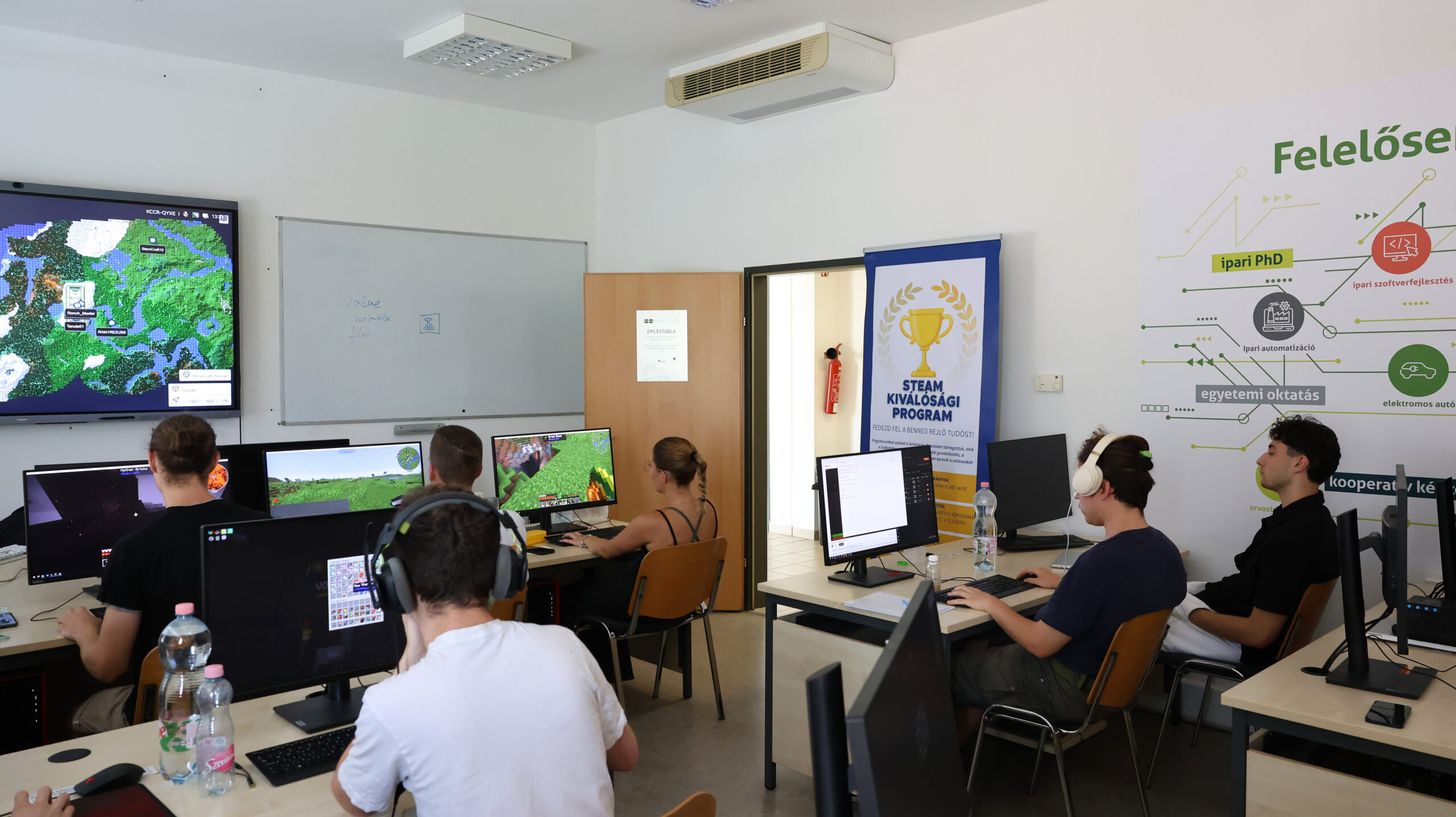
The goal of Obuda University’s STEAM Office is to break down artificial walls between subjects and bring the real-world complex engineering, IT, and sustainability challenges closer to young people. In the summer camps, students did not participate as passive listeners, but became active creators. The Minecraft platform underlying the sessions was supplemented with 50–60 special modifications, enabling interactive modeling of real physical laws, energy networks, and cybersecurity. Alongside experience-based and phenomenon-based learning (PhBL), we paid special attention to digital wellbeing and student mental health, as according to our university creed, scientific talent cannot unfold without solid mental and intellectual foundations.
Our community-building Minecraft camps
Recreating ancient Rome in the world of Minecraft!
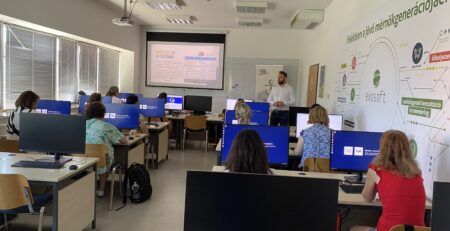
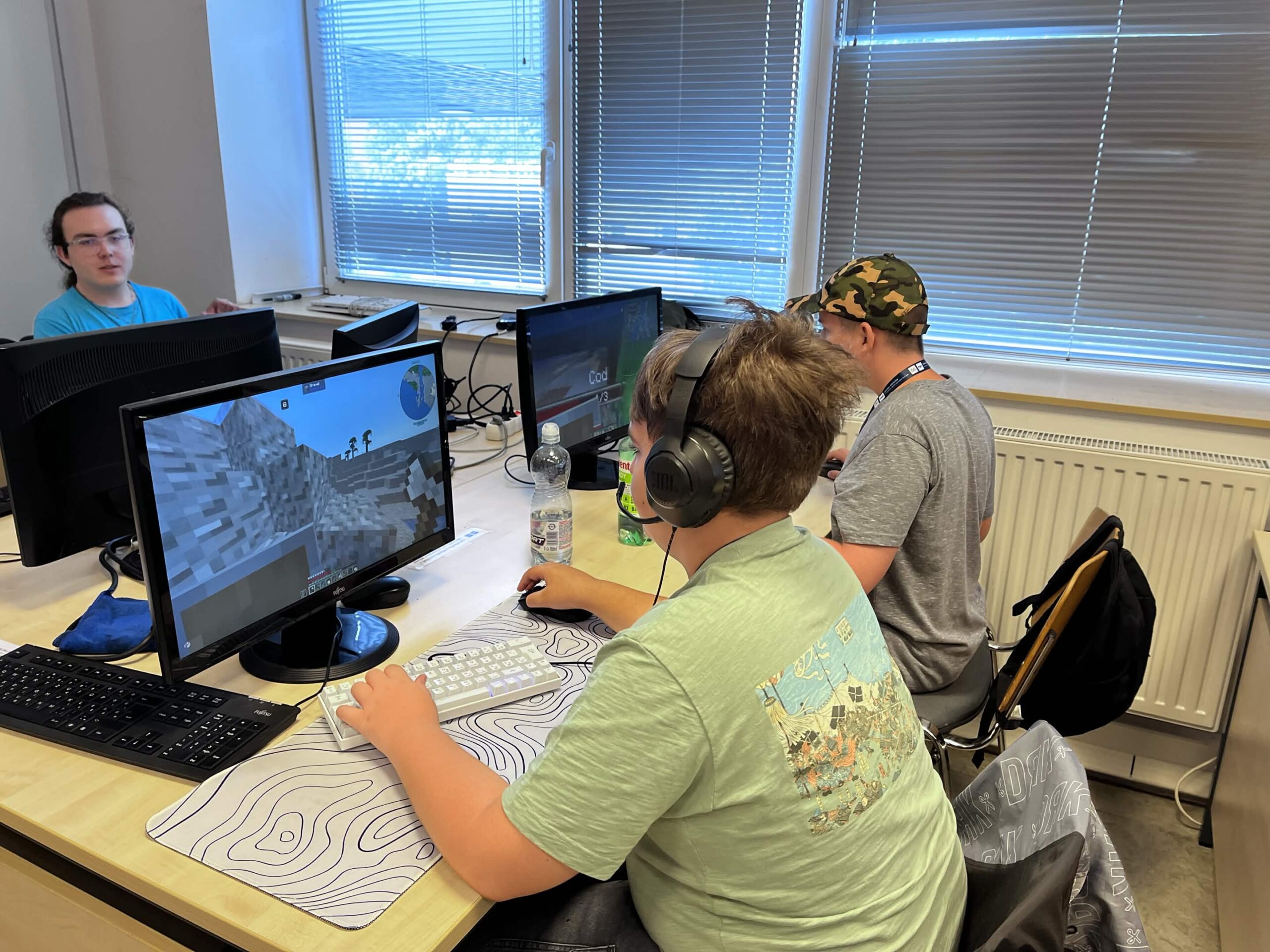
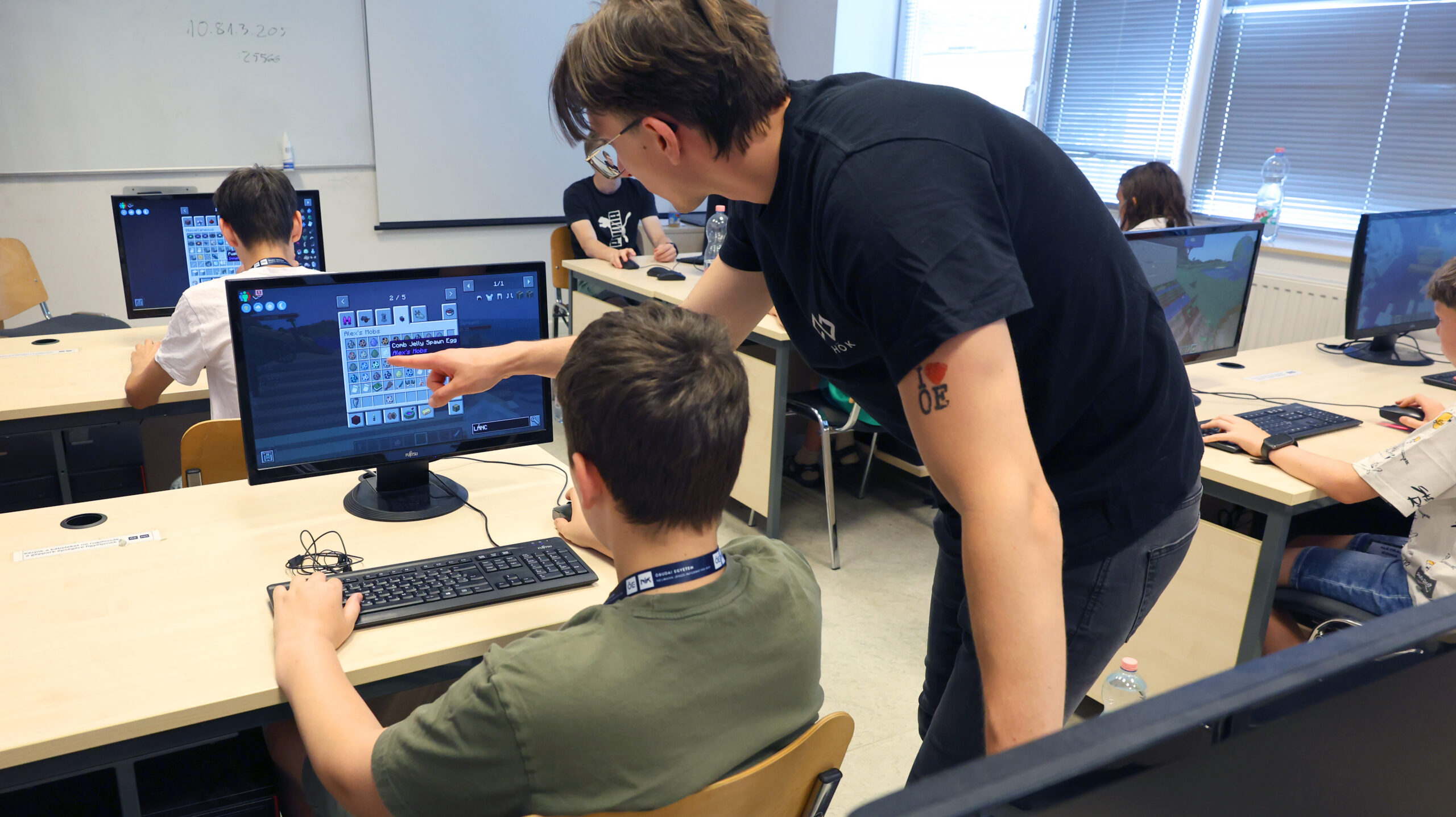
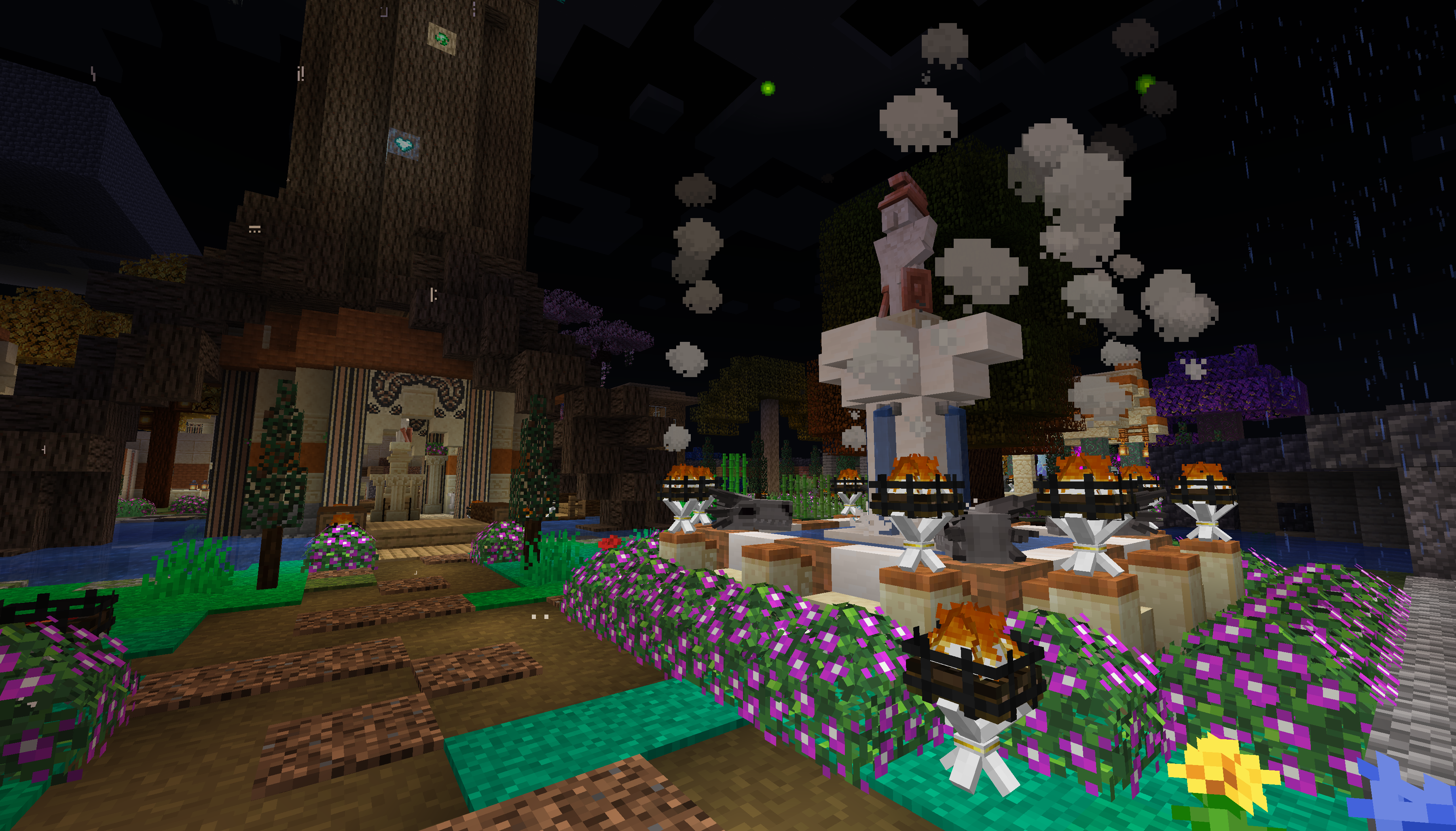
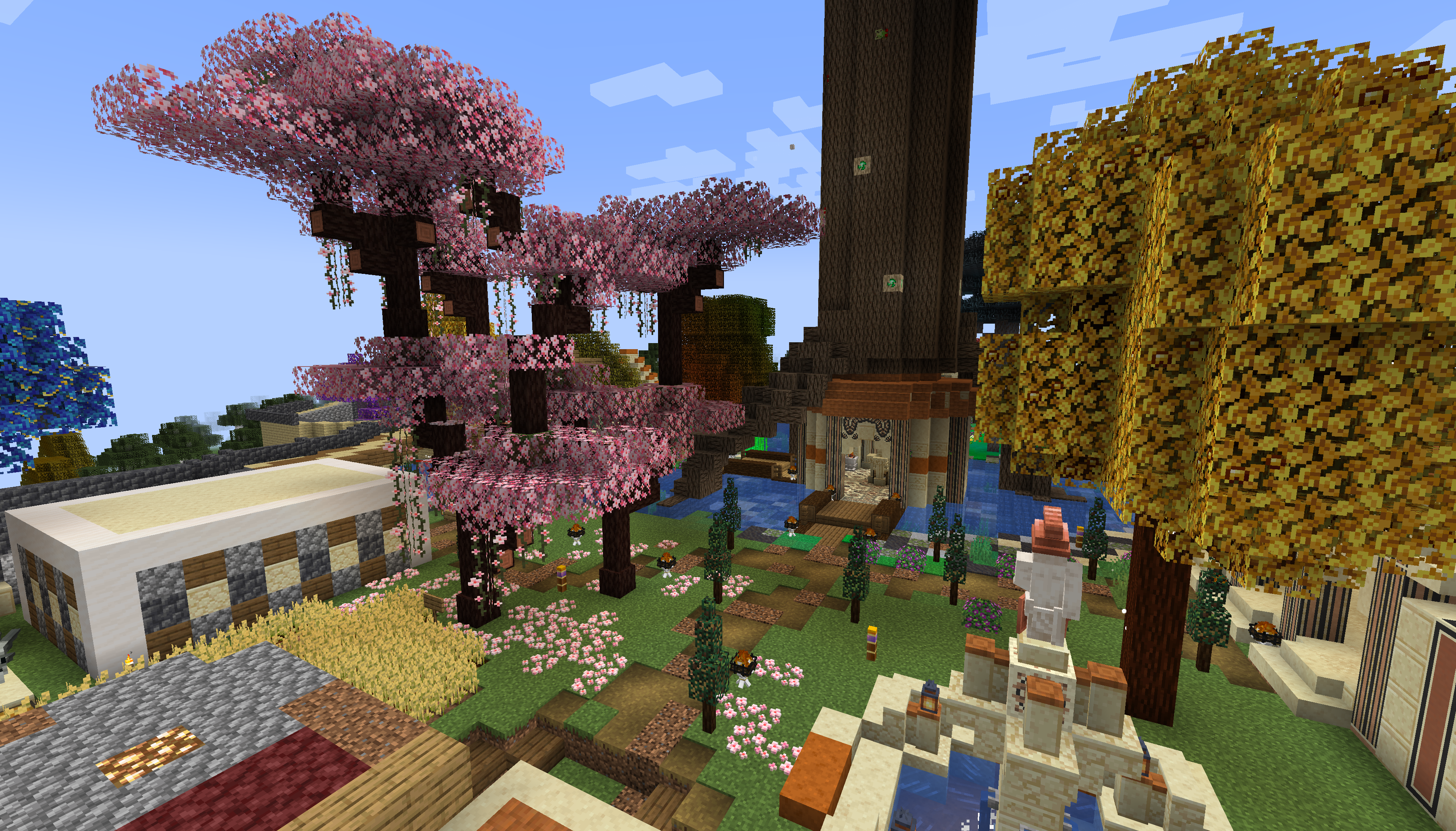
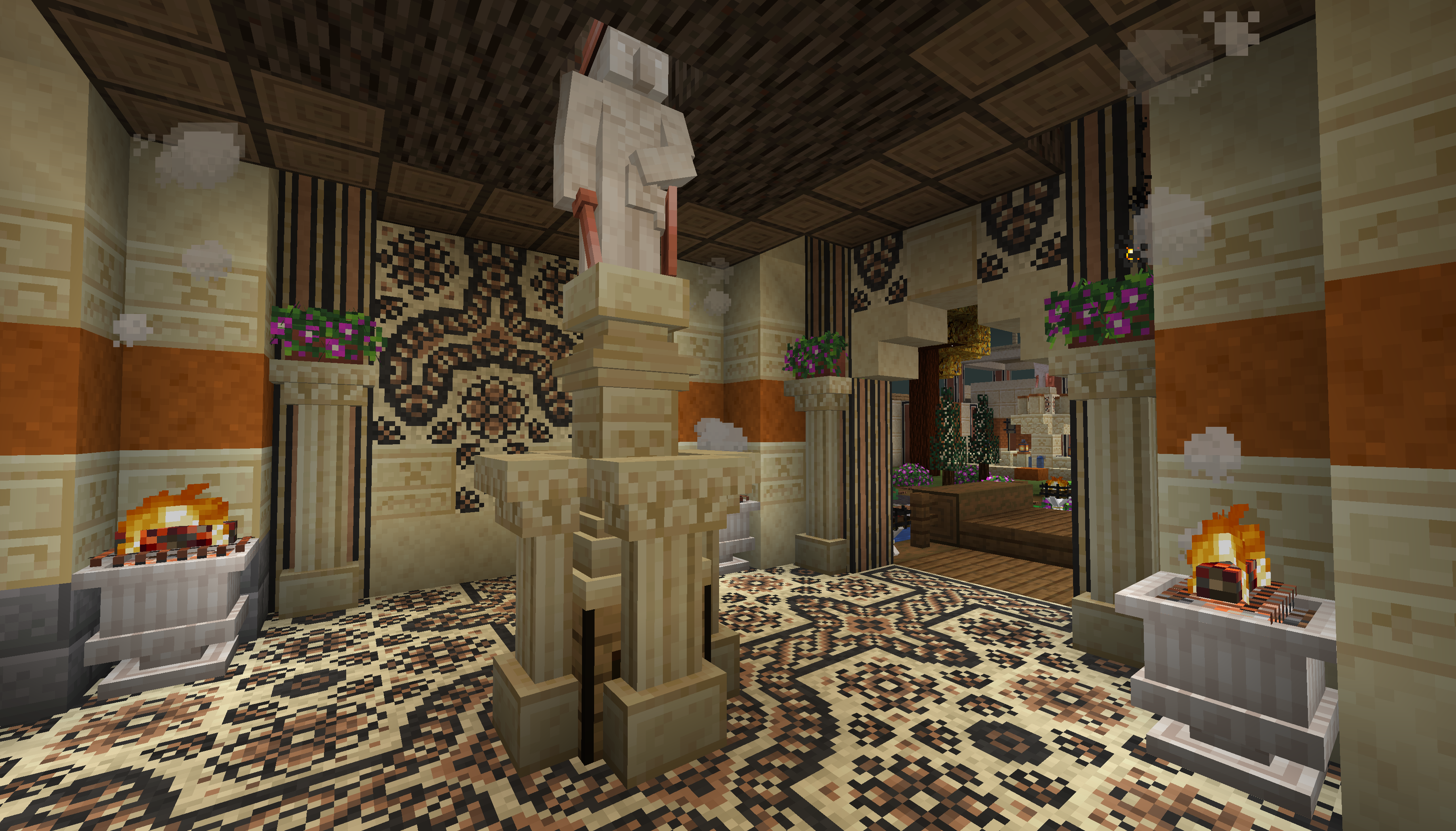
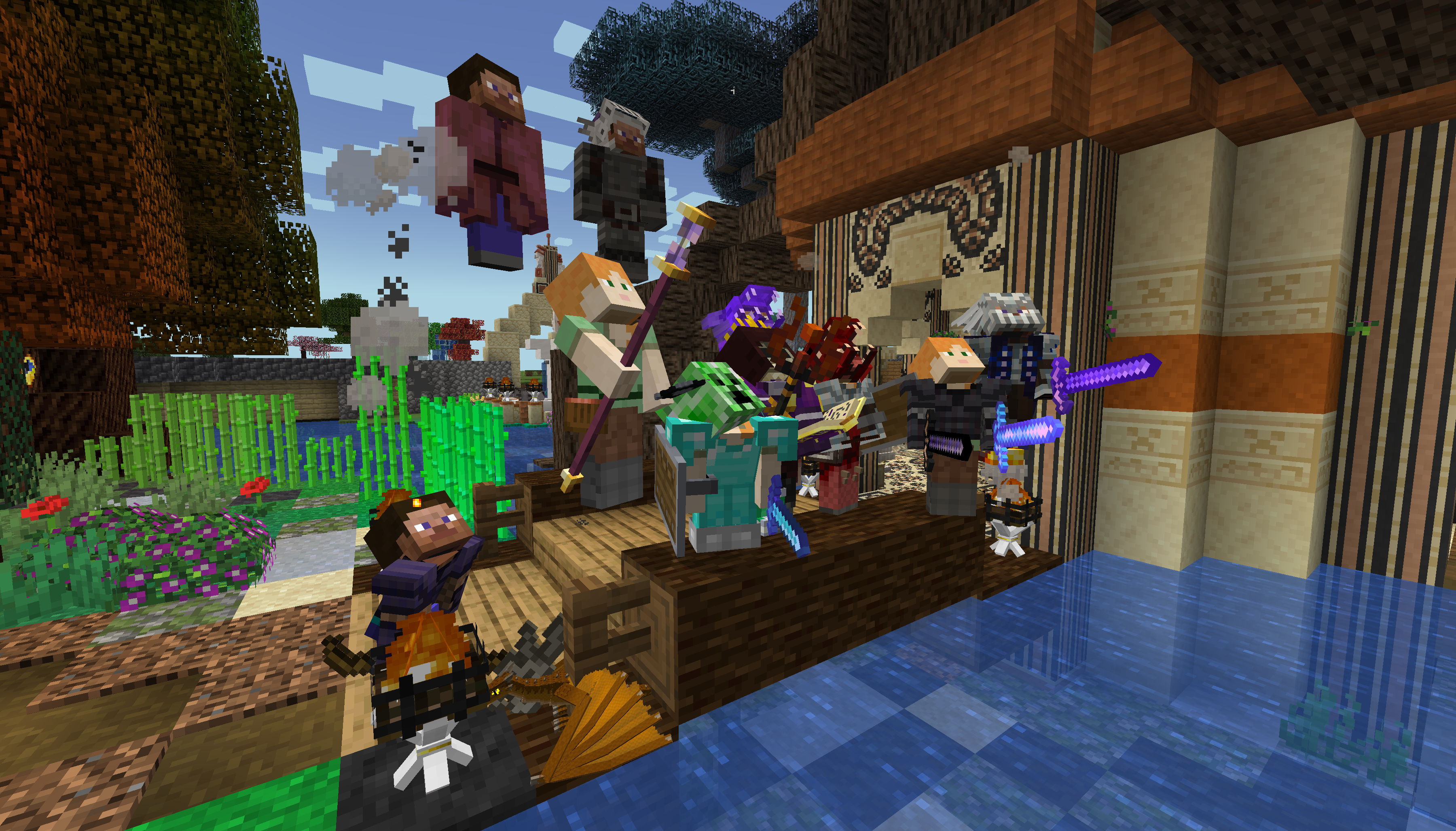
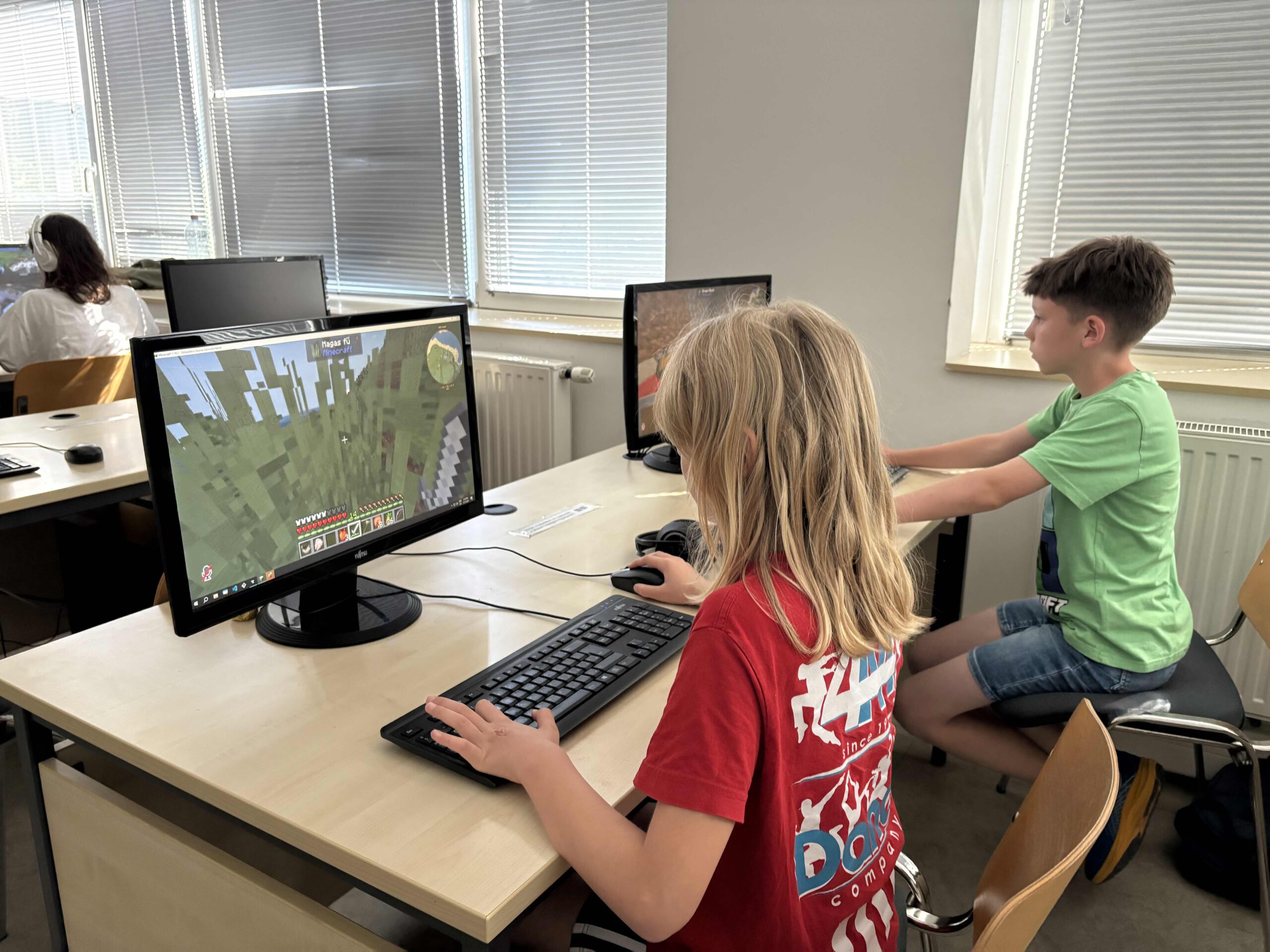
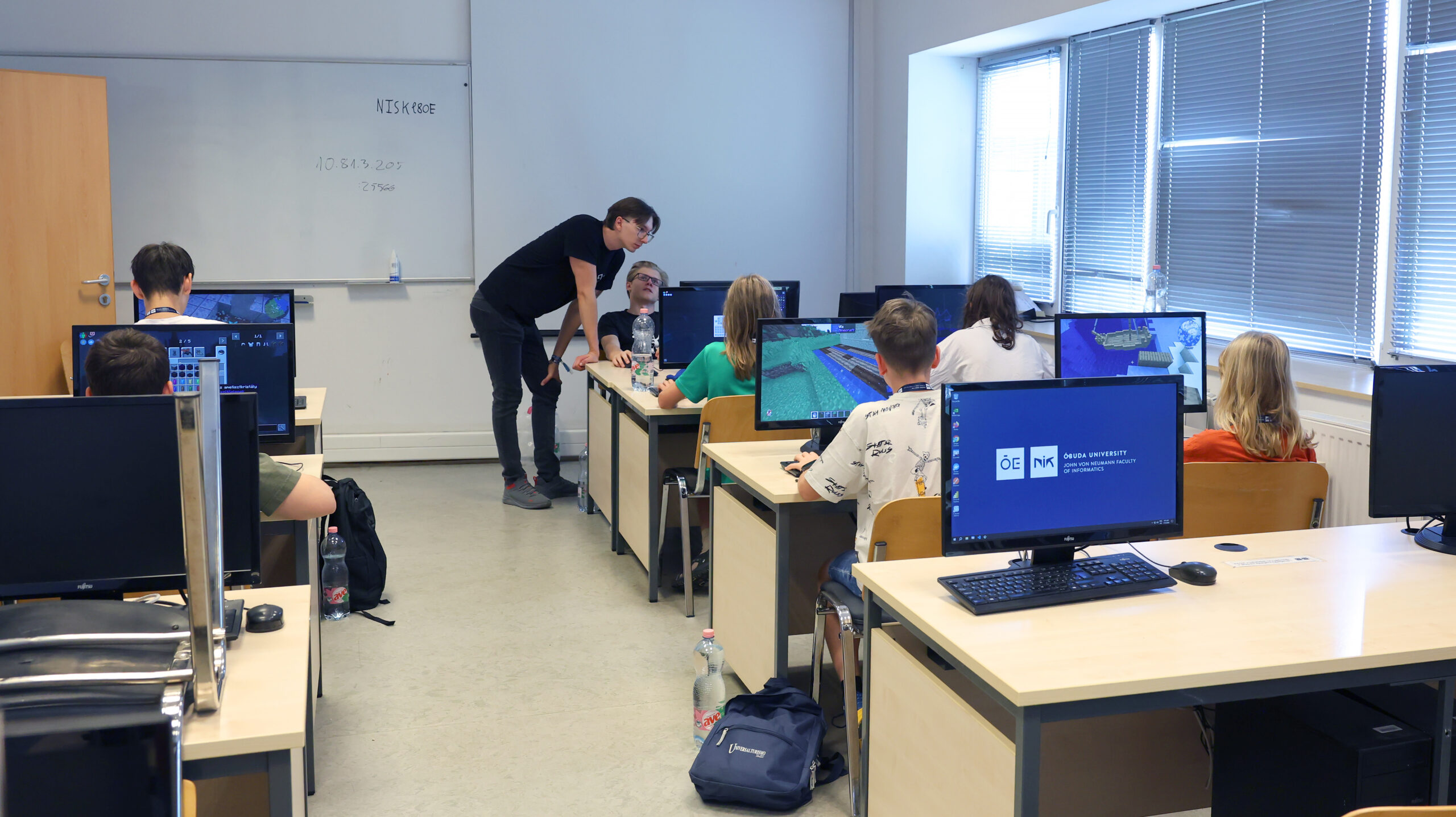
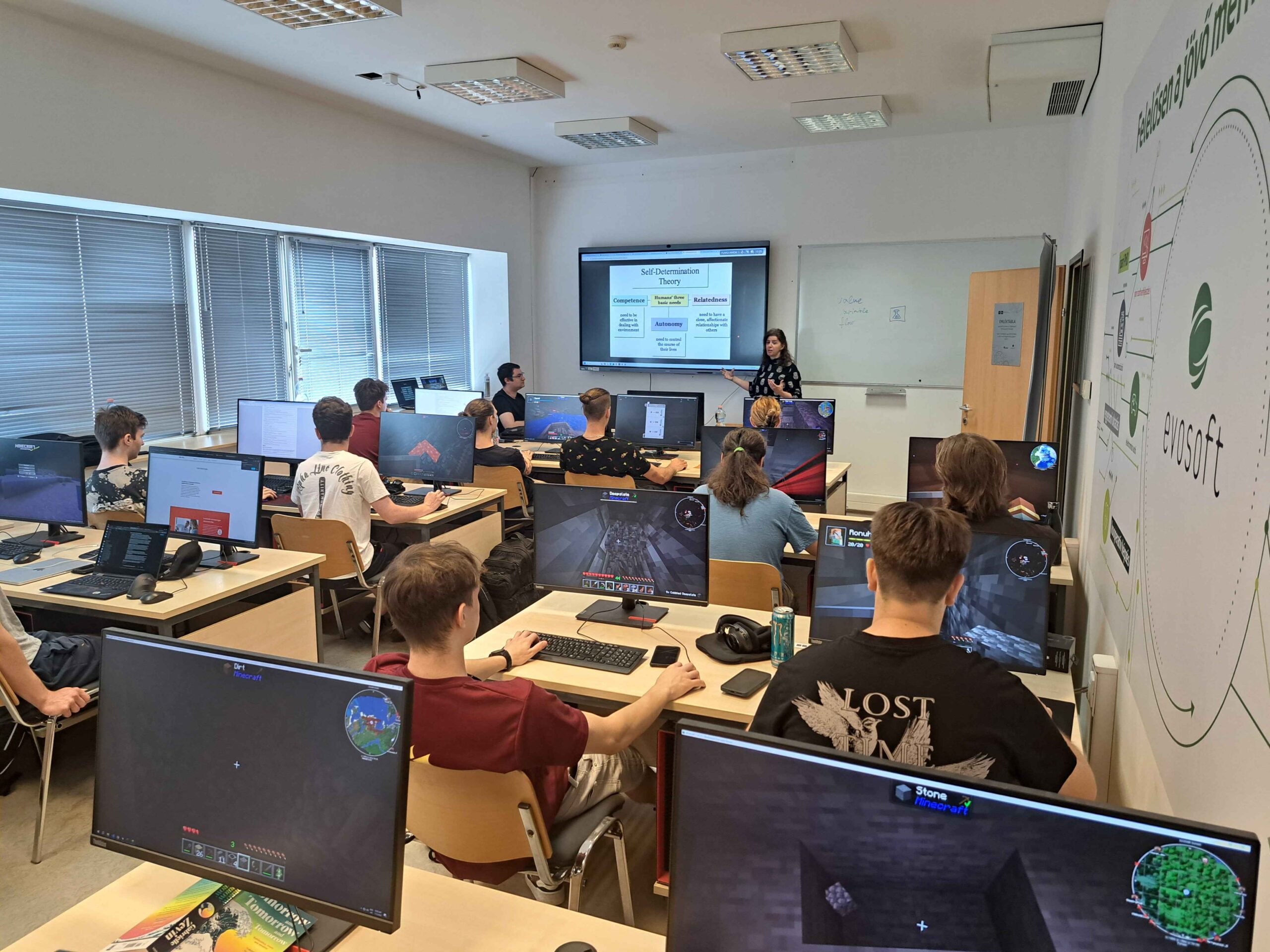
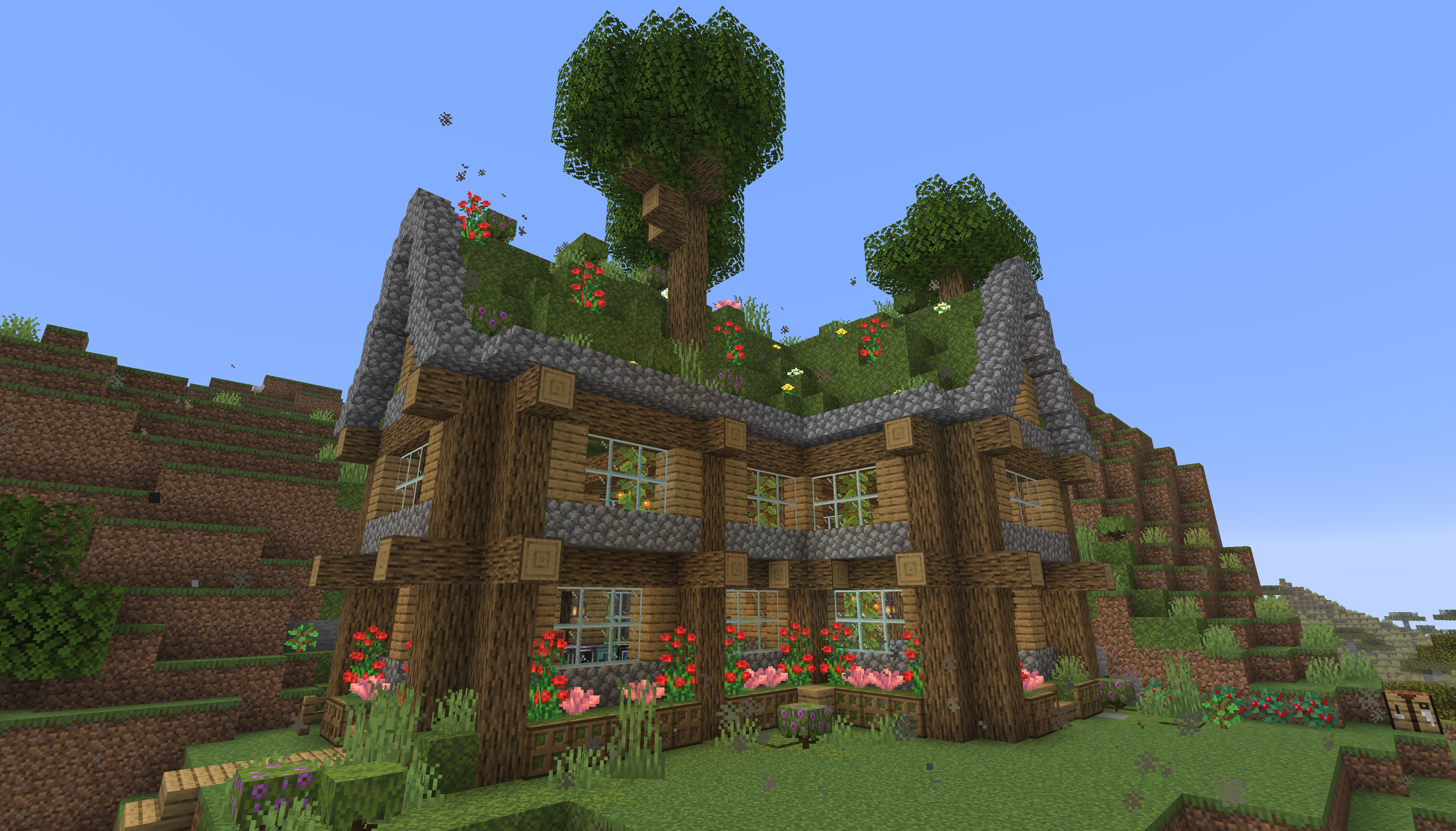
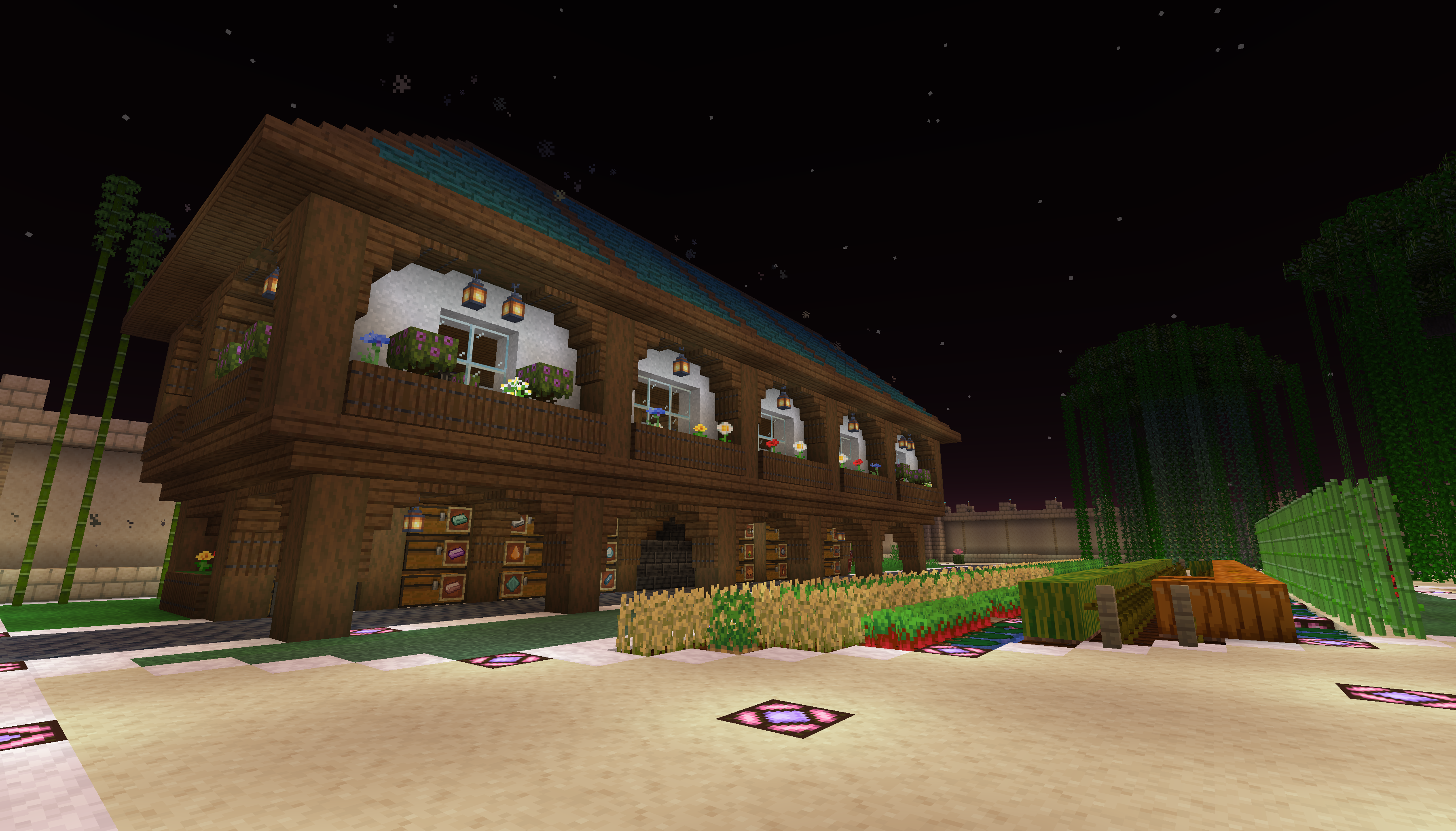
In the laboratories of the John von Neumann Faculty of Informatics (NIK), young people aged 12–16 took part in a unique historical and engineering journey through time. Students founded a virtual Roman Empire, where they designed a monumental Colosseum, luxurious palaces, and aqueducts powered by the game’s logic circuits (redstone). During the group project work, students were free to choose roles (architect, engineer, defense strategist) while seamlessly acquiring the basics of spatial design, statics, and algorithmic thinking. On the closing Friday, they had to defend their cities against hordes of monsters during a large-scale siege defense simulation.
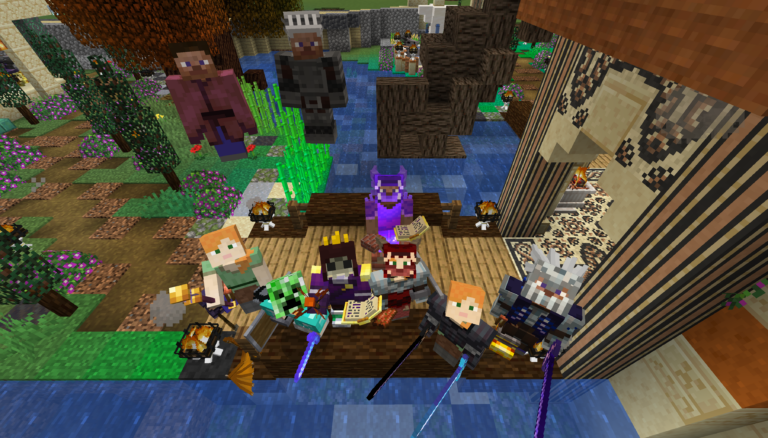
Sir Lancelot’s knights of the round table in the world of Minecraft!
A meeting of medieval lore and modern programming characterized this extremely popular session. Joining forces in alliances, campers built castles, erected wooden walls, and organized economic and logistical networks. Inter-group cooperation and agile project management principles helped the children jointly stave off virtual challenges, while also practicing team spirit, sportsmanship, and mutual respect modeled on chivalric virtues.
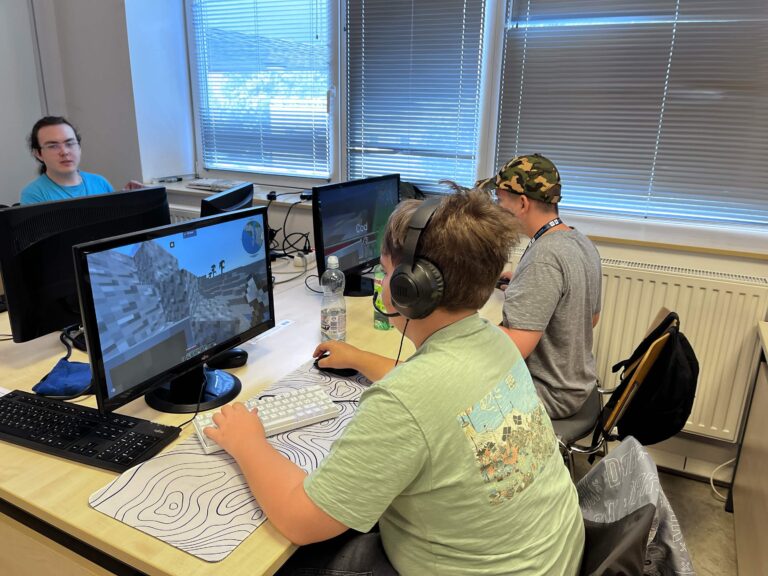
From Newton to Einstein in the world of Minecraft!
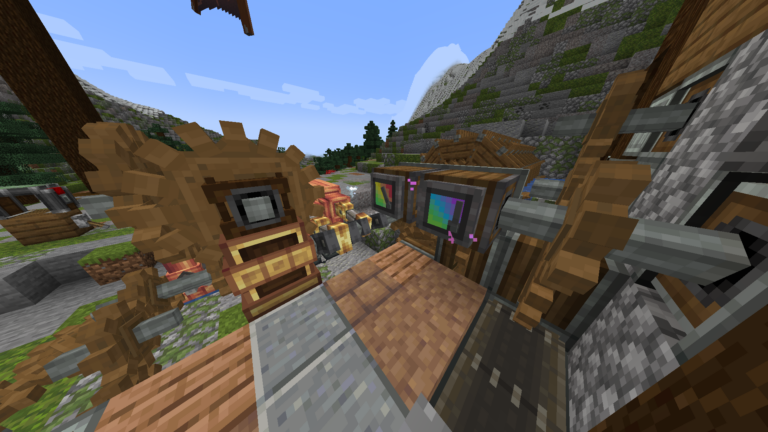
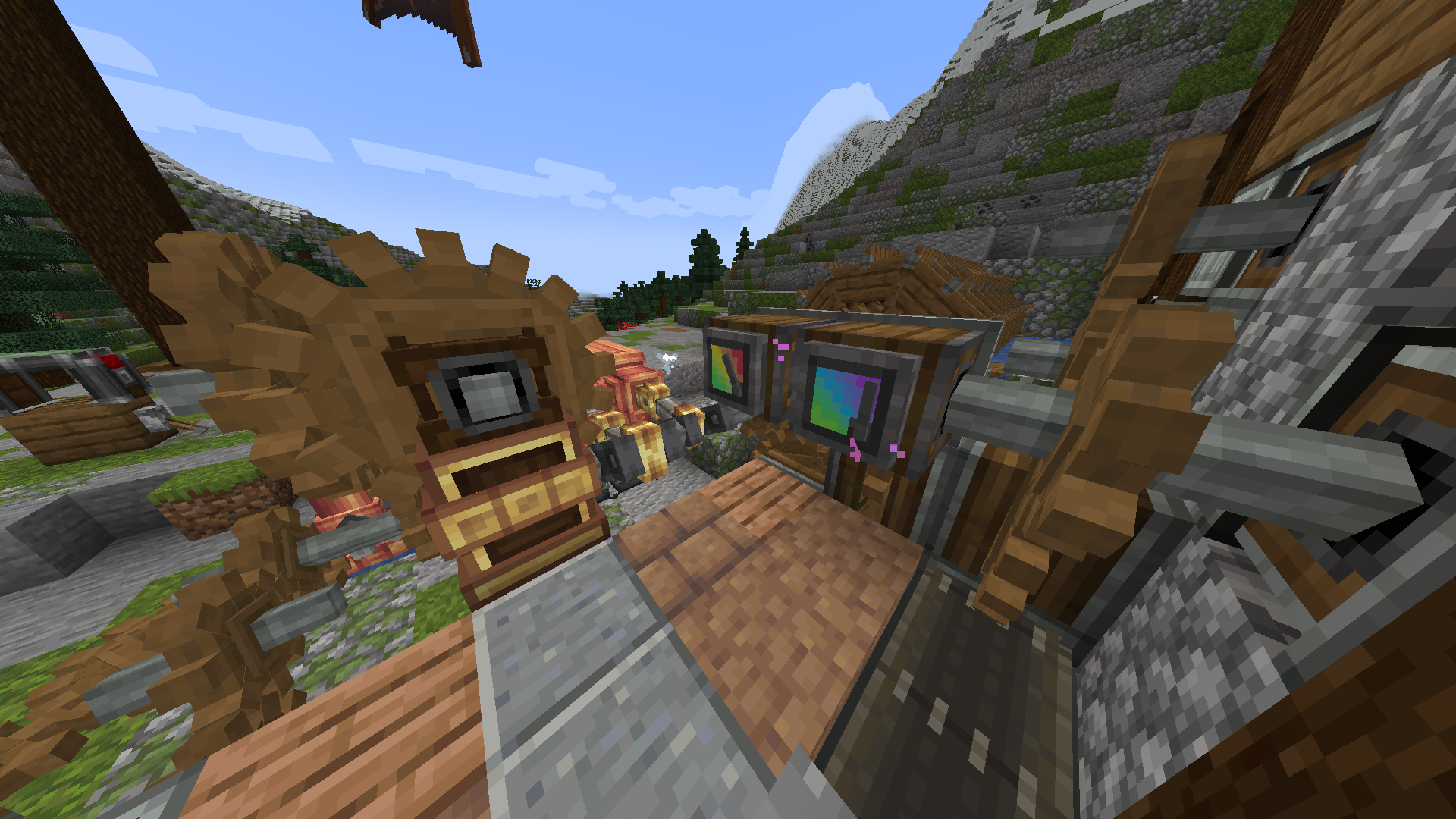
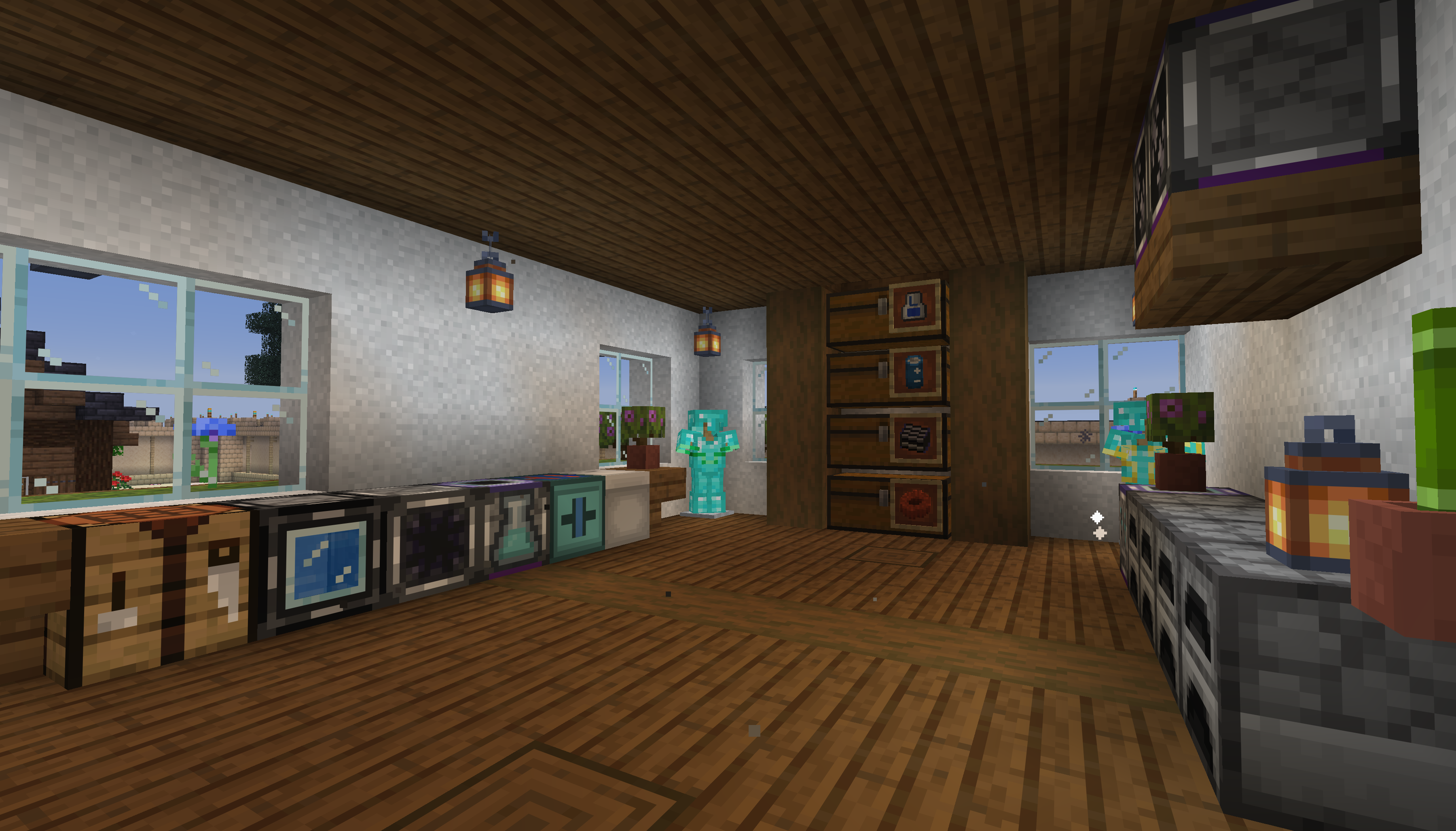
Students explored the fundamentals of classical mechanics, thermodynamics, and green energy by reprogramming the game’s physics. The teams designed and built a giant flying city (Megalopolis) above the clouds, accessible by train, ships, and funiculars, operating entirely via sustainable energy networks. The students designed working steam engines and performed measurements on the effects of gravity, turning dry physics textbook material into an exciting development task in the blink of an eye.
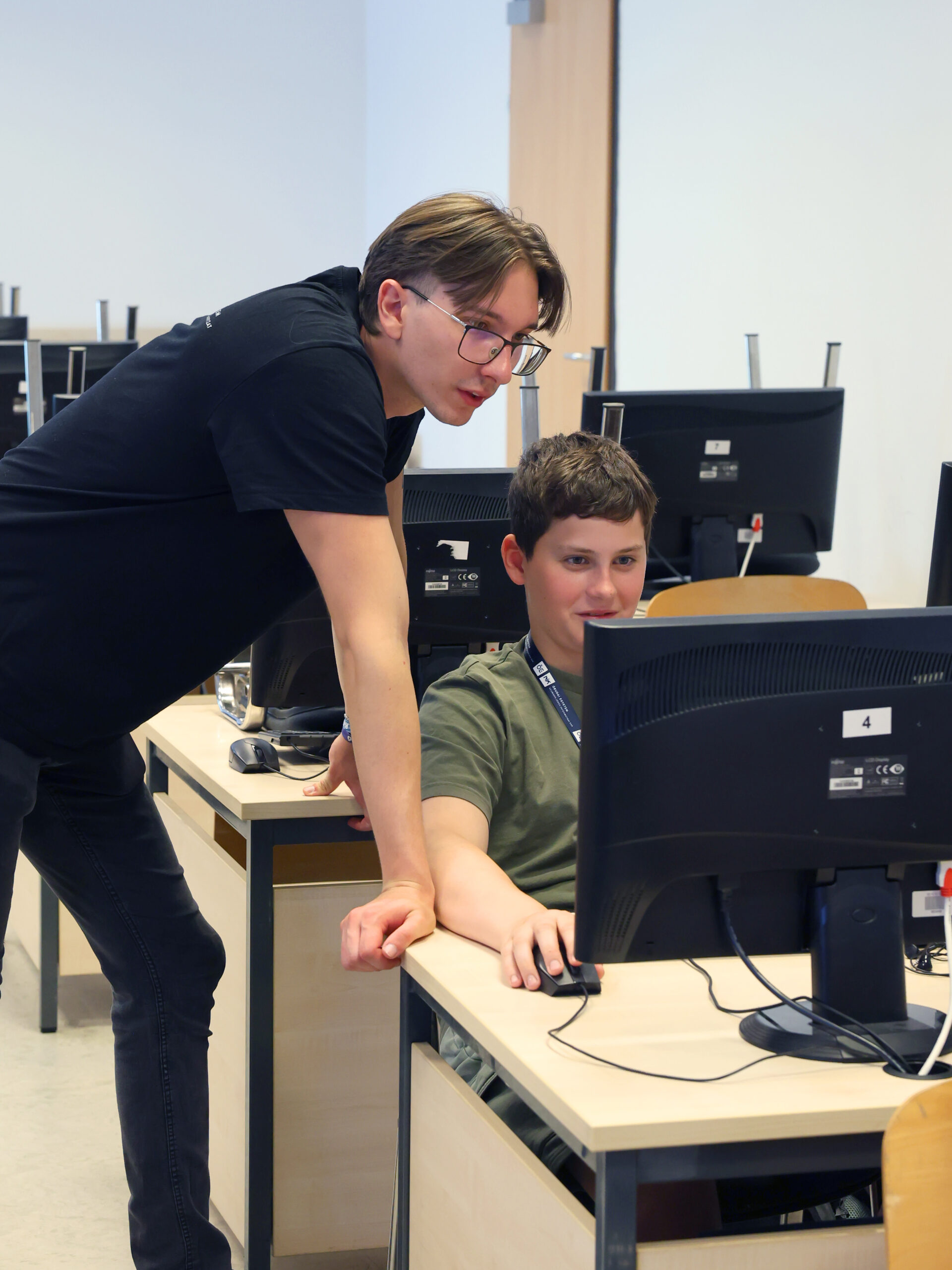
Our talent management excellence Camp
STEAM Excellence Program summer university
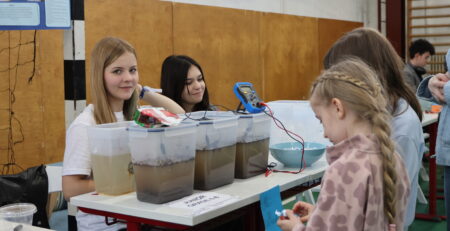
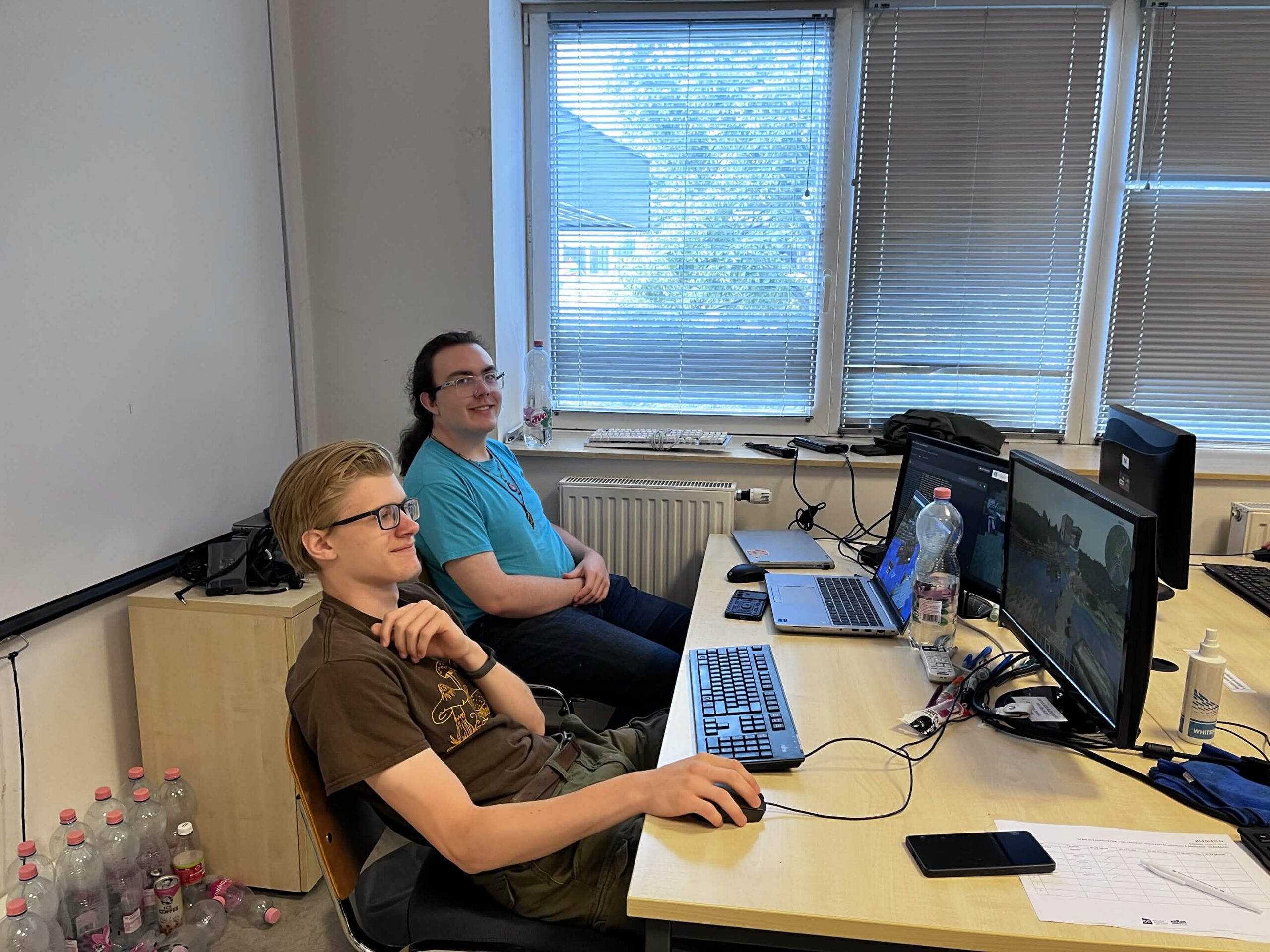
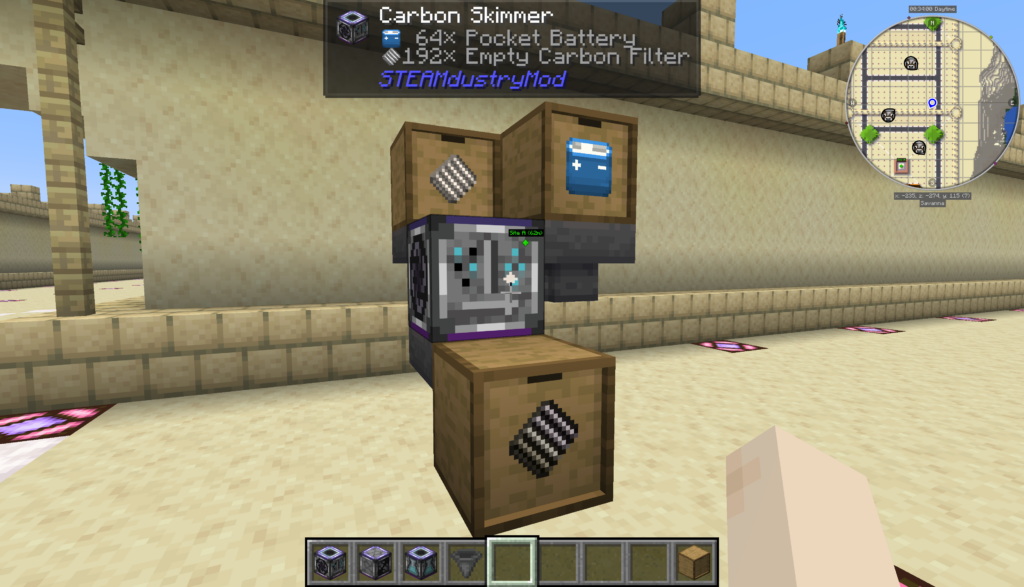
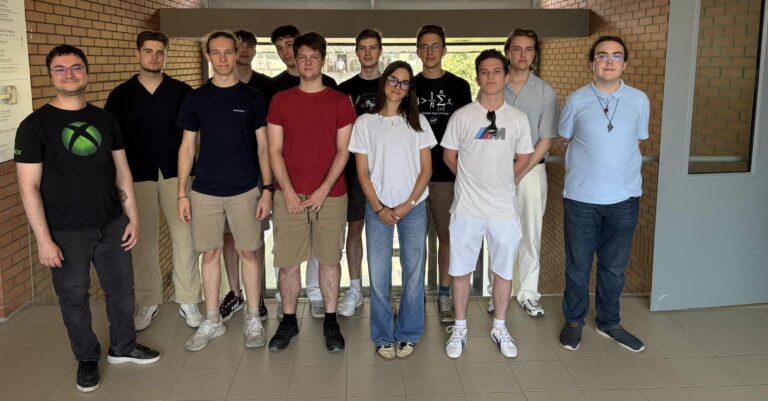
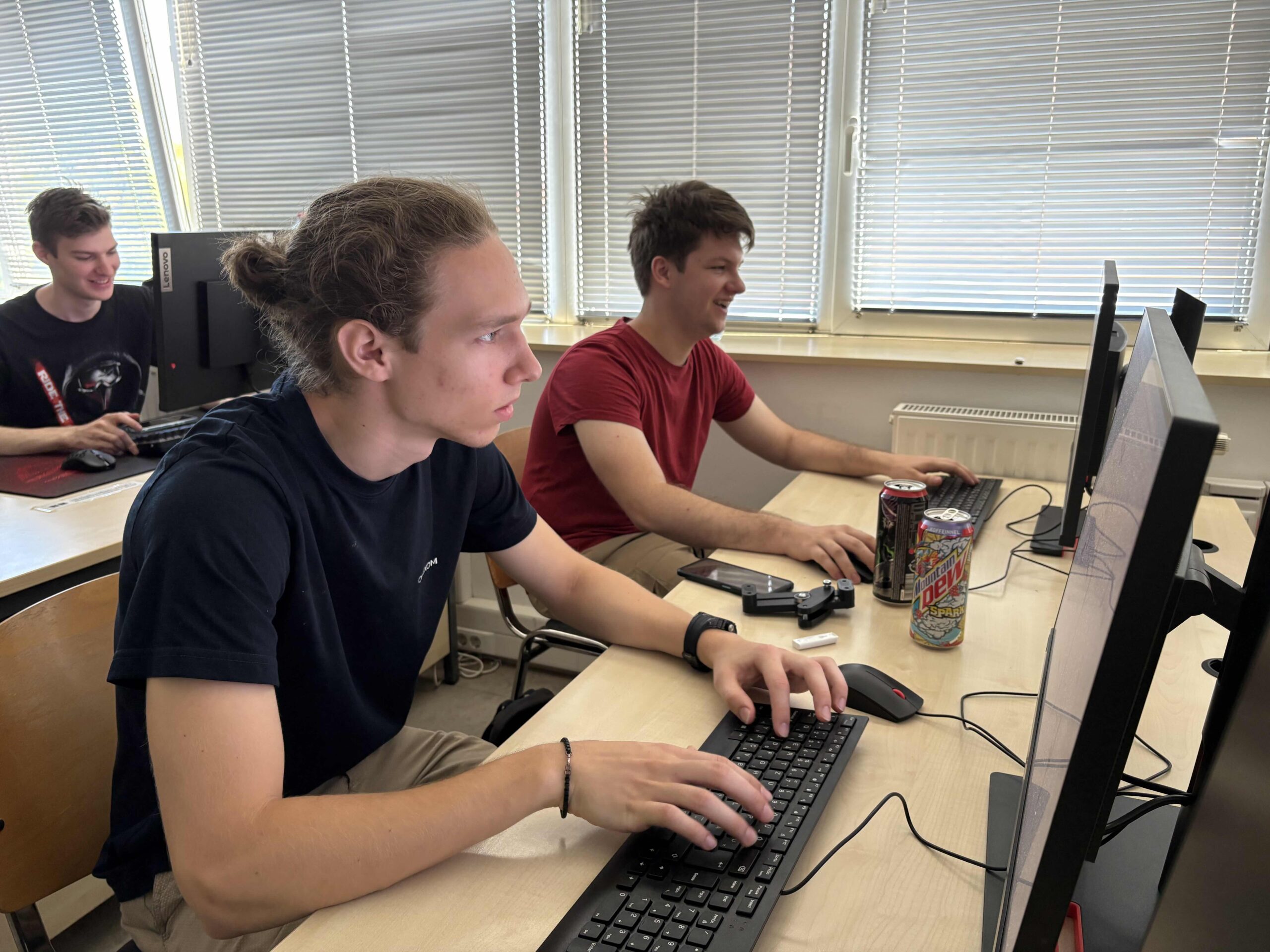
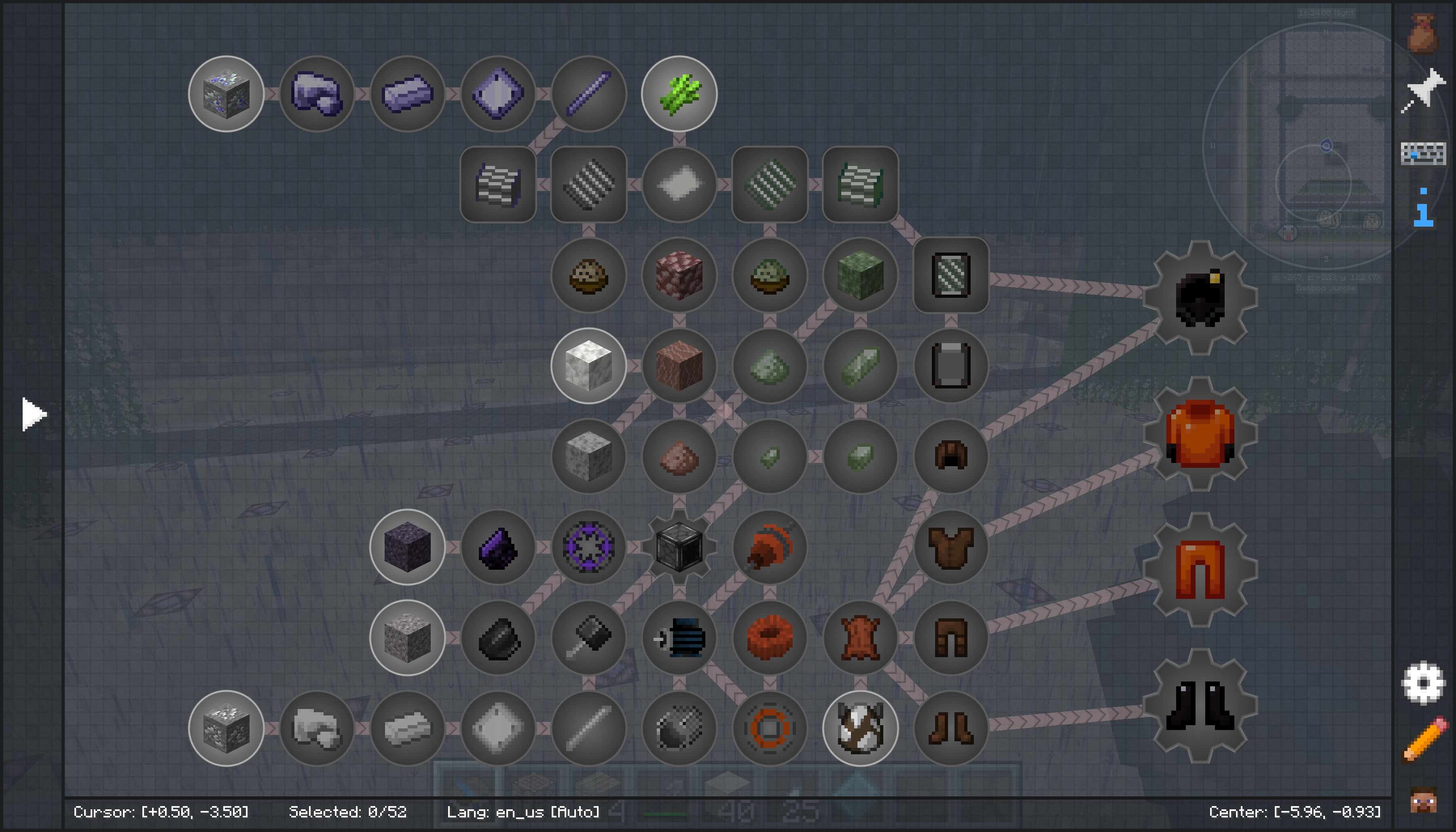
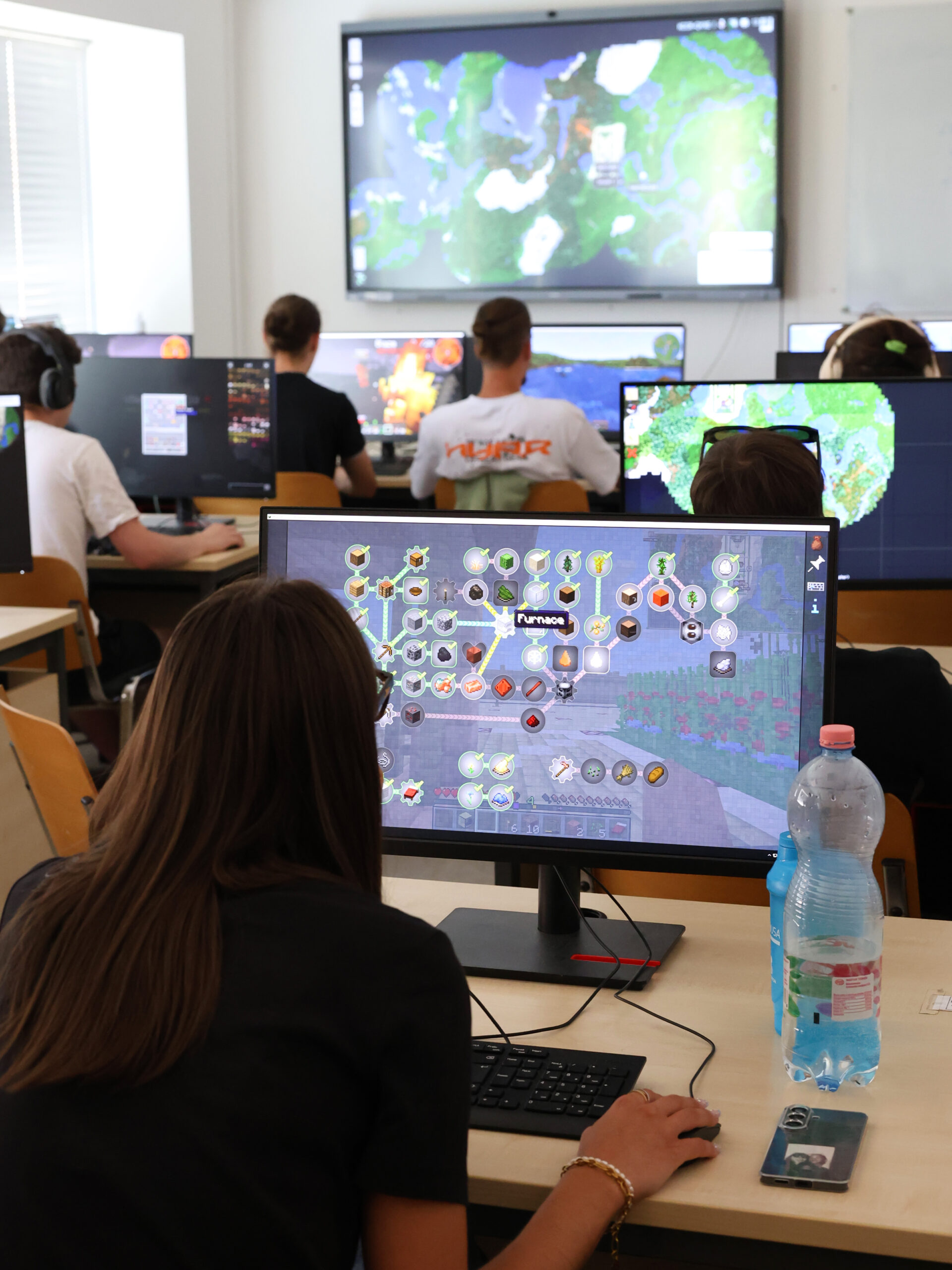
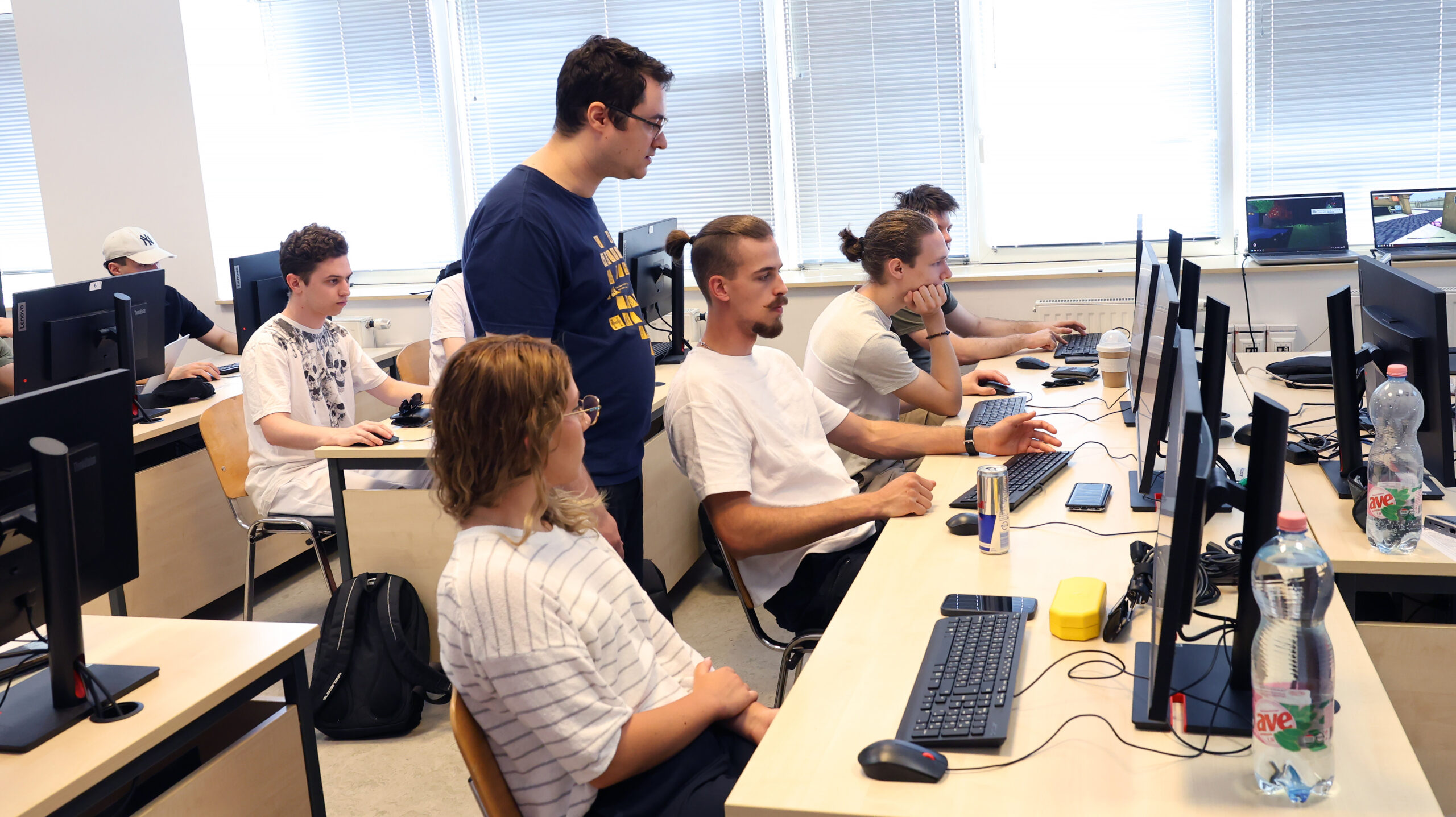
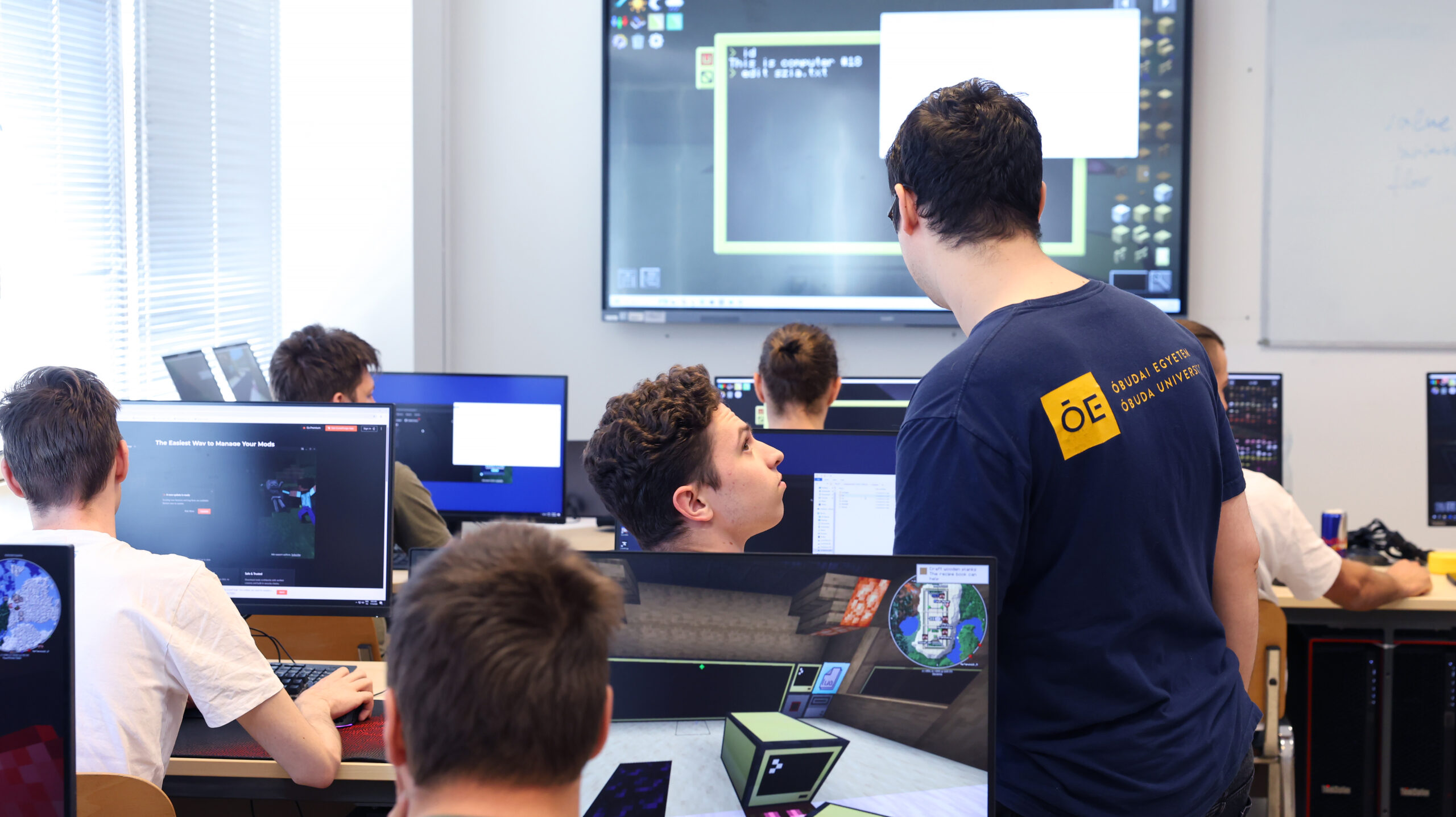
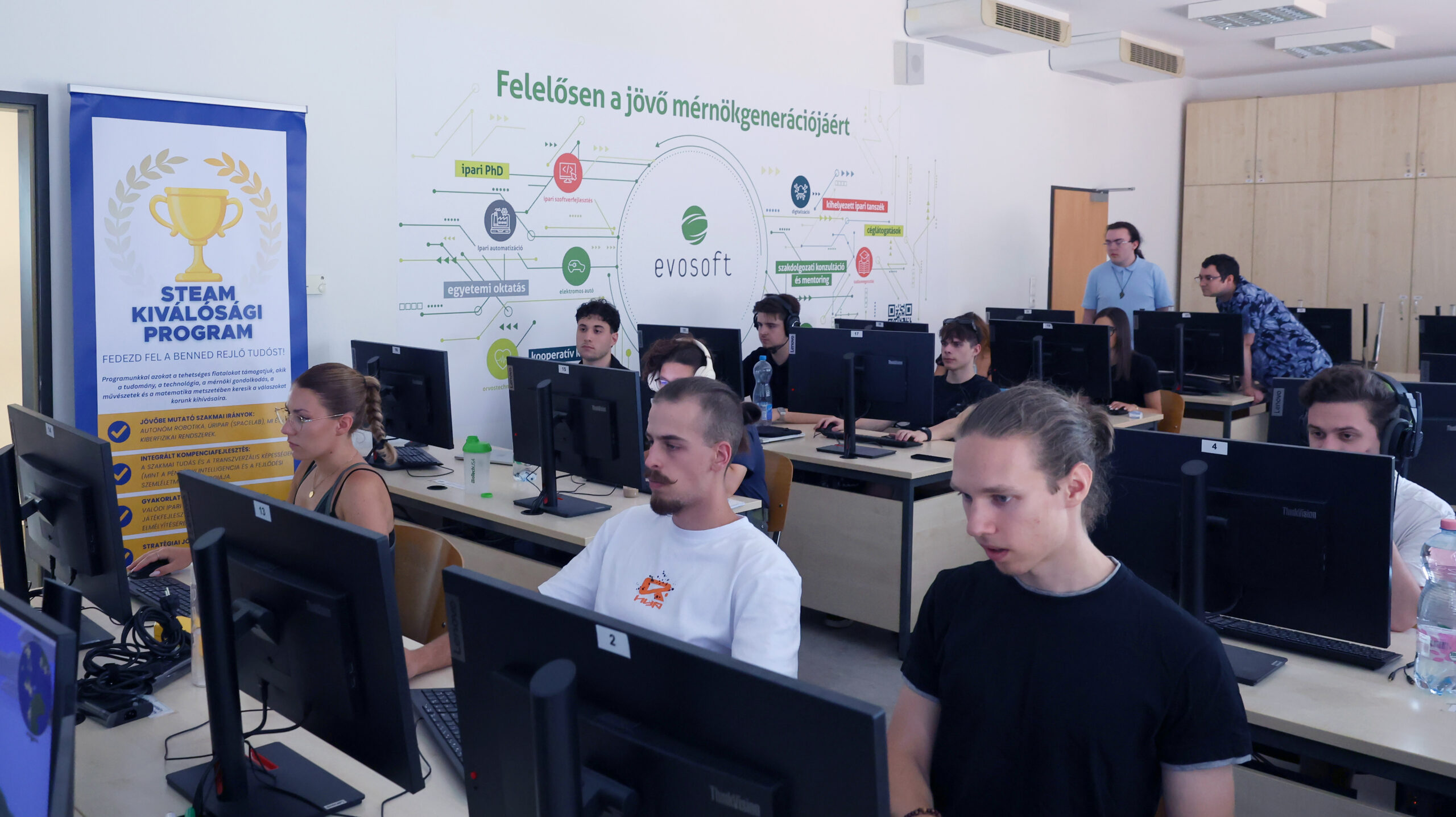
This exclusive session organized for 12th-grade scholarship recipients focused on scientific R&D measurements and the modeling of chemical engineering processes. Using the Steamdustry and Steamcraft modpack suites developed by the university, alongside a complex digital ‘QuestBook’, students covered a full university-level chemical engineering curriculum in practice over approximately 3 days of intensive research work. Ranging from raw material collection to the chemical and physical synthesis of polymers and renewable energy sources, students kept scientific measurement logs and completed an extensive 51-question Likert-scale pre-test at the start of the camp, laying the groundwork for the university’s ongoing methodological and gamification research.
Recreational learning and the STREAMS model
The core of the gamification approach applied in the camp is that students master the curriculum within a popular gaming environment by modeling the engineering mindset. When solving problems, they observe the results of their attempts and then iterate—continuously improving their systems and making them more efficient.
This experience-based education followed the STREAMS model, which expands traditional frameworks with rhetorical (R) and social science (S2) approaches, backed by a strict system of development and pedagogical rules:
- Real curriculum in the game: Every introduced new problem and simulated chemical engineering process is accompanied by a precise solution recipe.
- Organic integration: New resources are fully integrated into the game world (for example, introducing the rubber tree not only makes latex extractable, but also makes the wood family derived from it available).
- Functional game elements: There are no extraneous elements in the game; every machine, workstation, and intermediate product serves process understanding and automation.
- Automated playability verification: The curriculum structure is verified by a software-based hypergraph model, ensuring that reaching every goal proceeds through logically built steps.
International researcher among the students
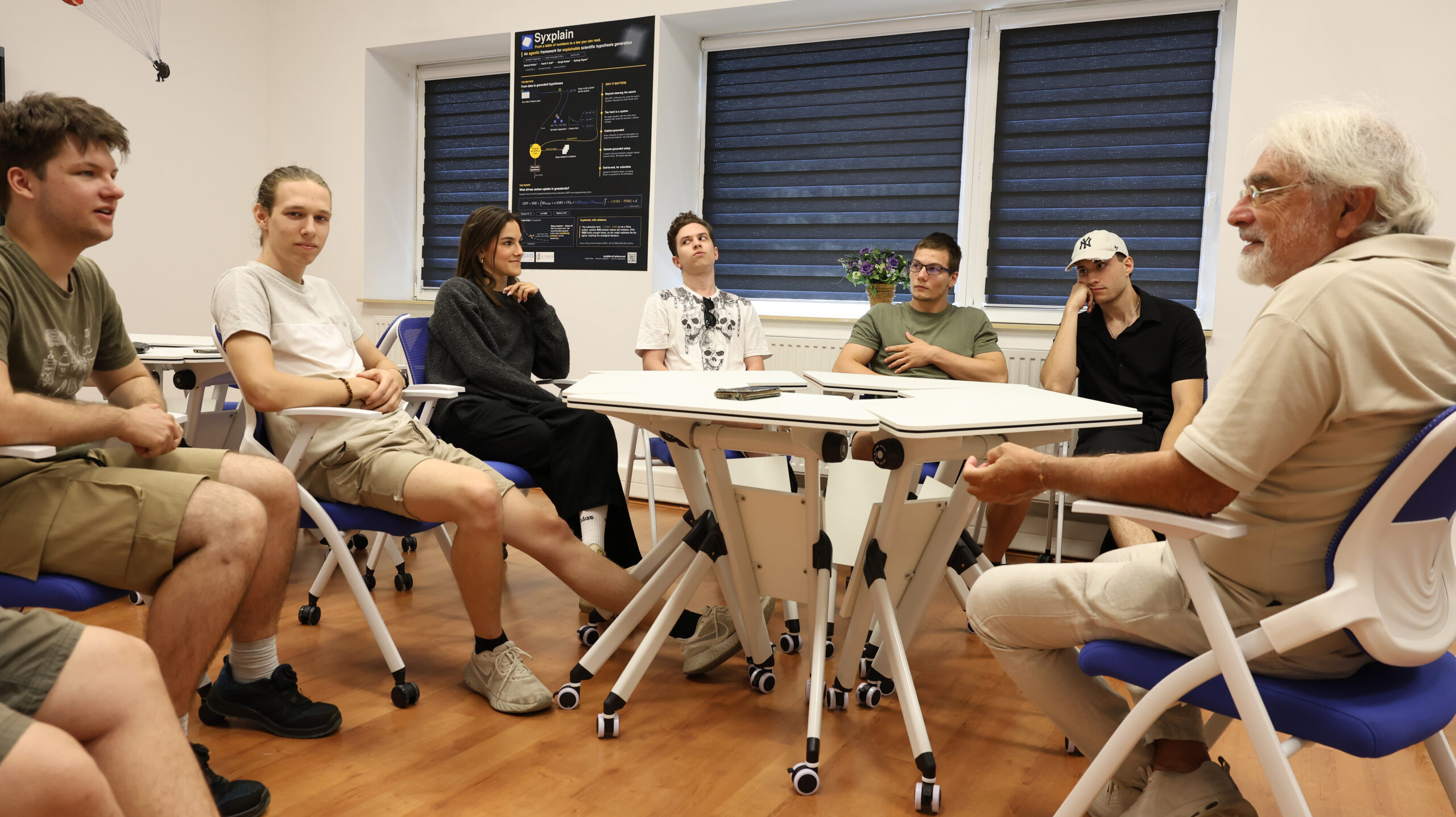
As part of the EdTech Talents project, international researcher-educator Eva Ulbrich spent the first week observing students’ group work and problem-solving processes within the game-based educational environment. During the visit, she gathered feedback from the youth regarding gamified STEAM education through qualitative interviews and informal conversations, and presented her own artificial intelligence-based educational project (STEPAM) to the students, providing inspiring insight into the world of international research.
Our talent management cybersecurity camp
CYB3RC4MP
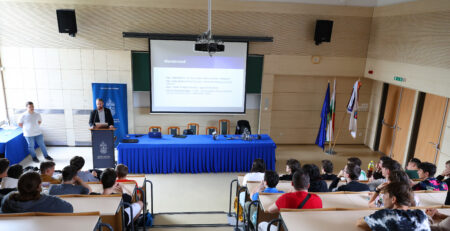
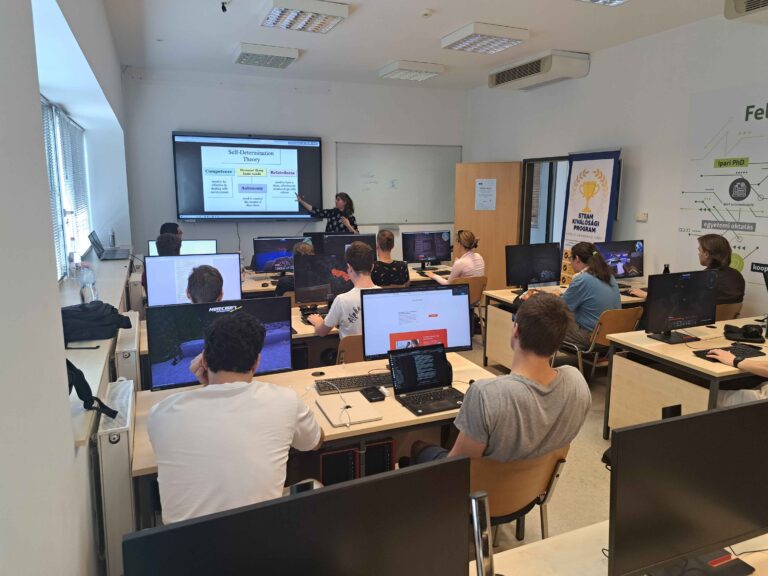
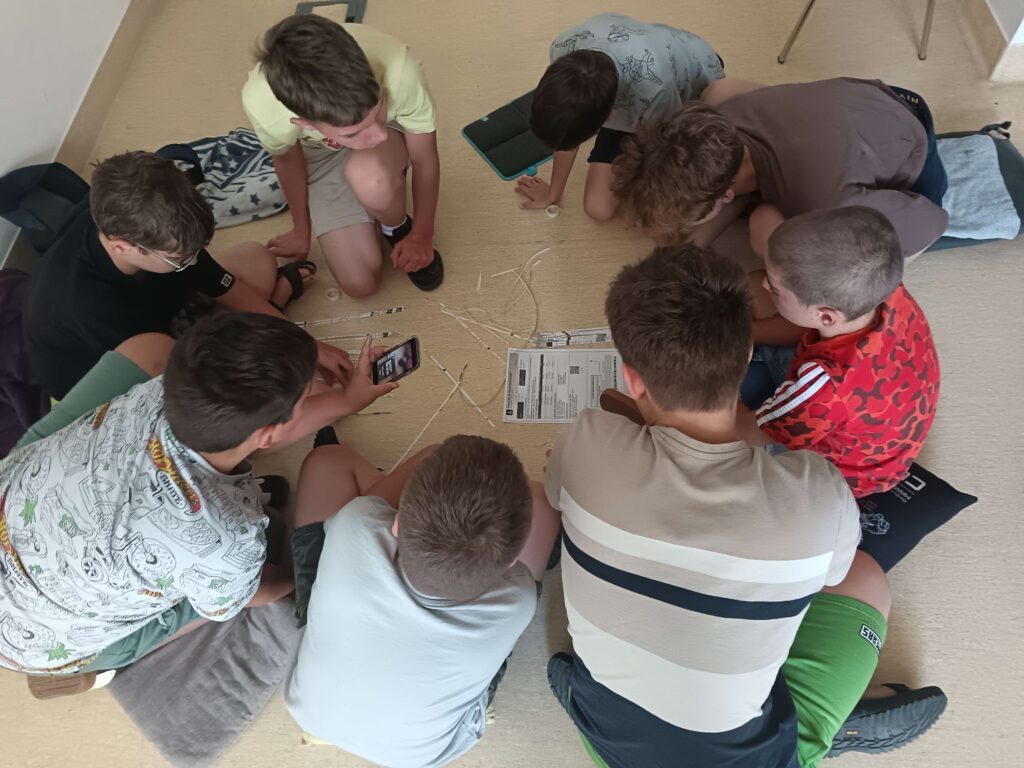
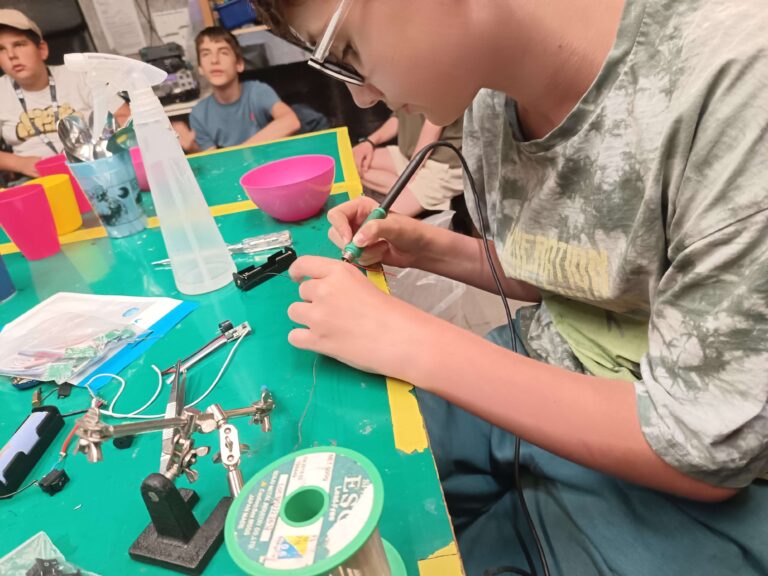
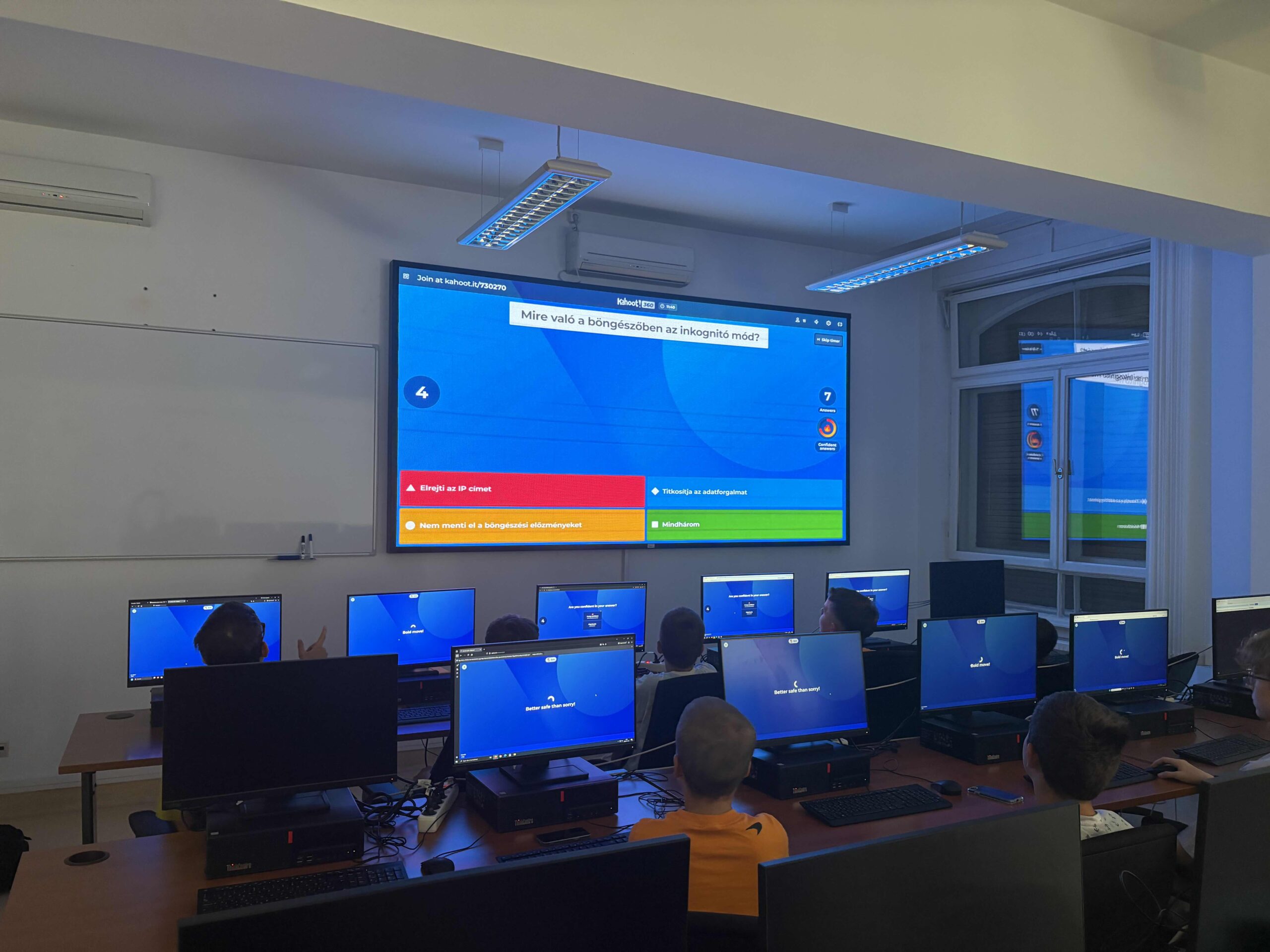
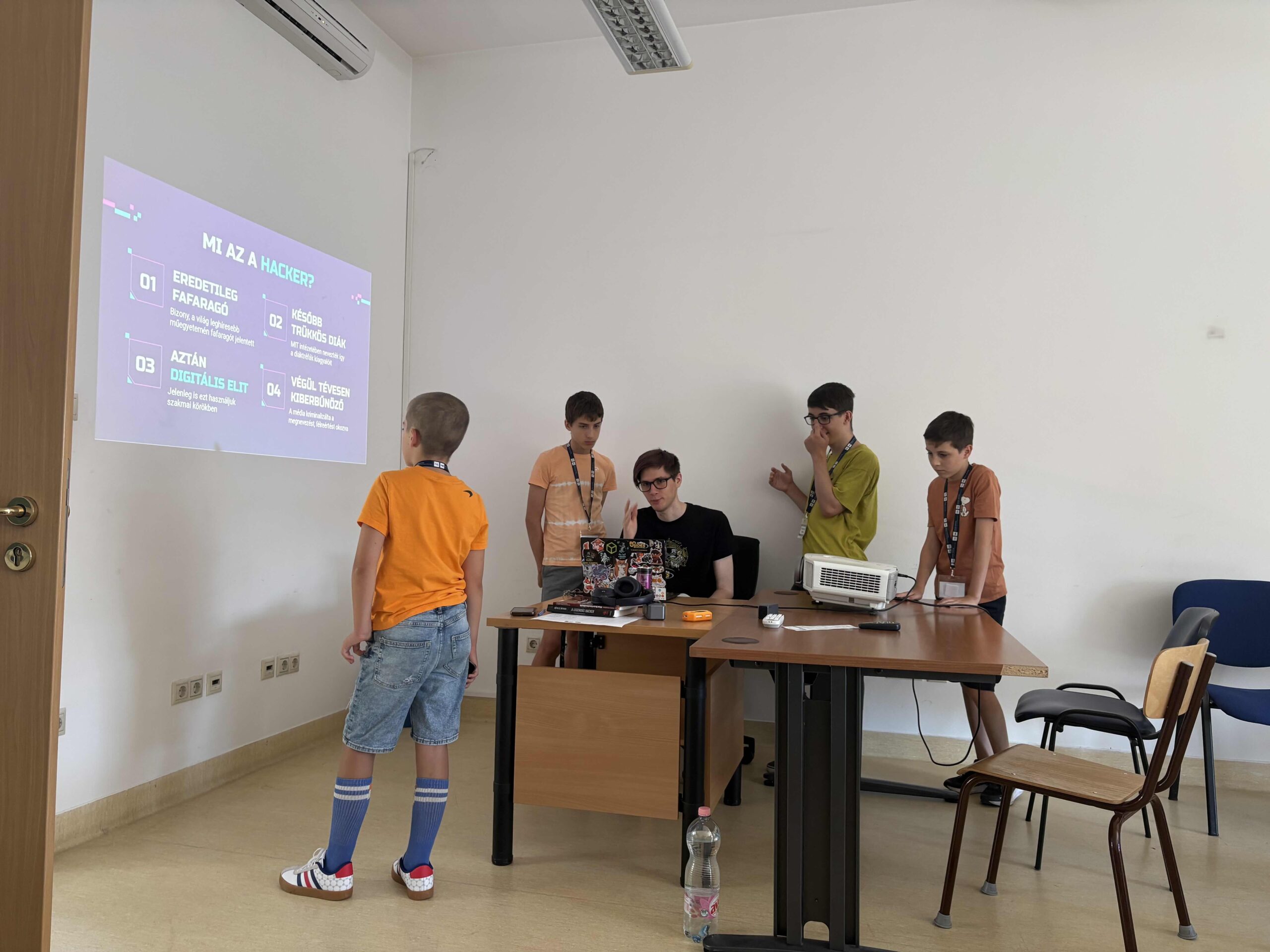
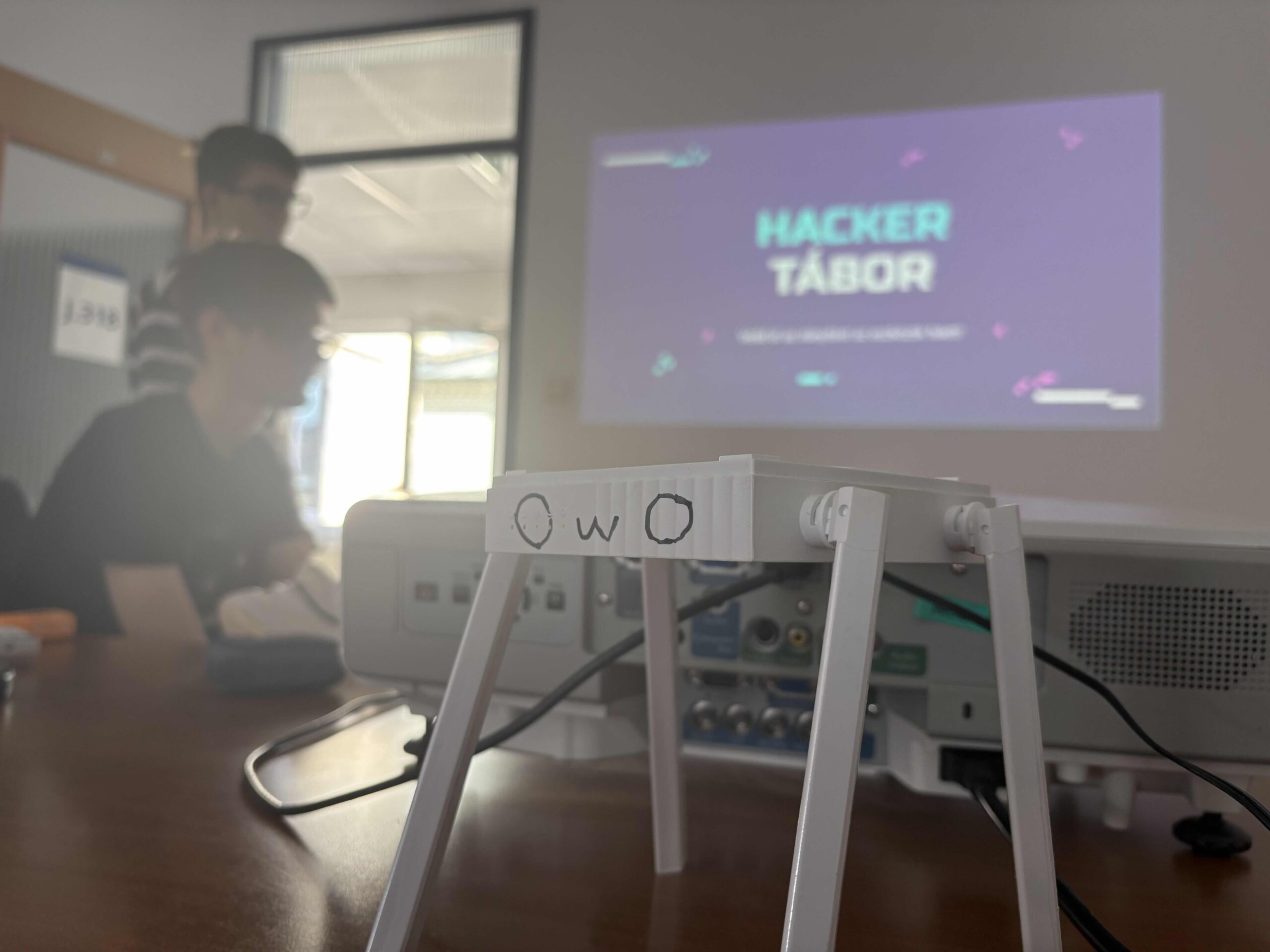
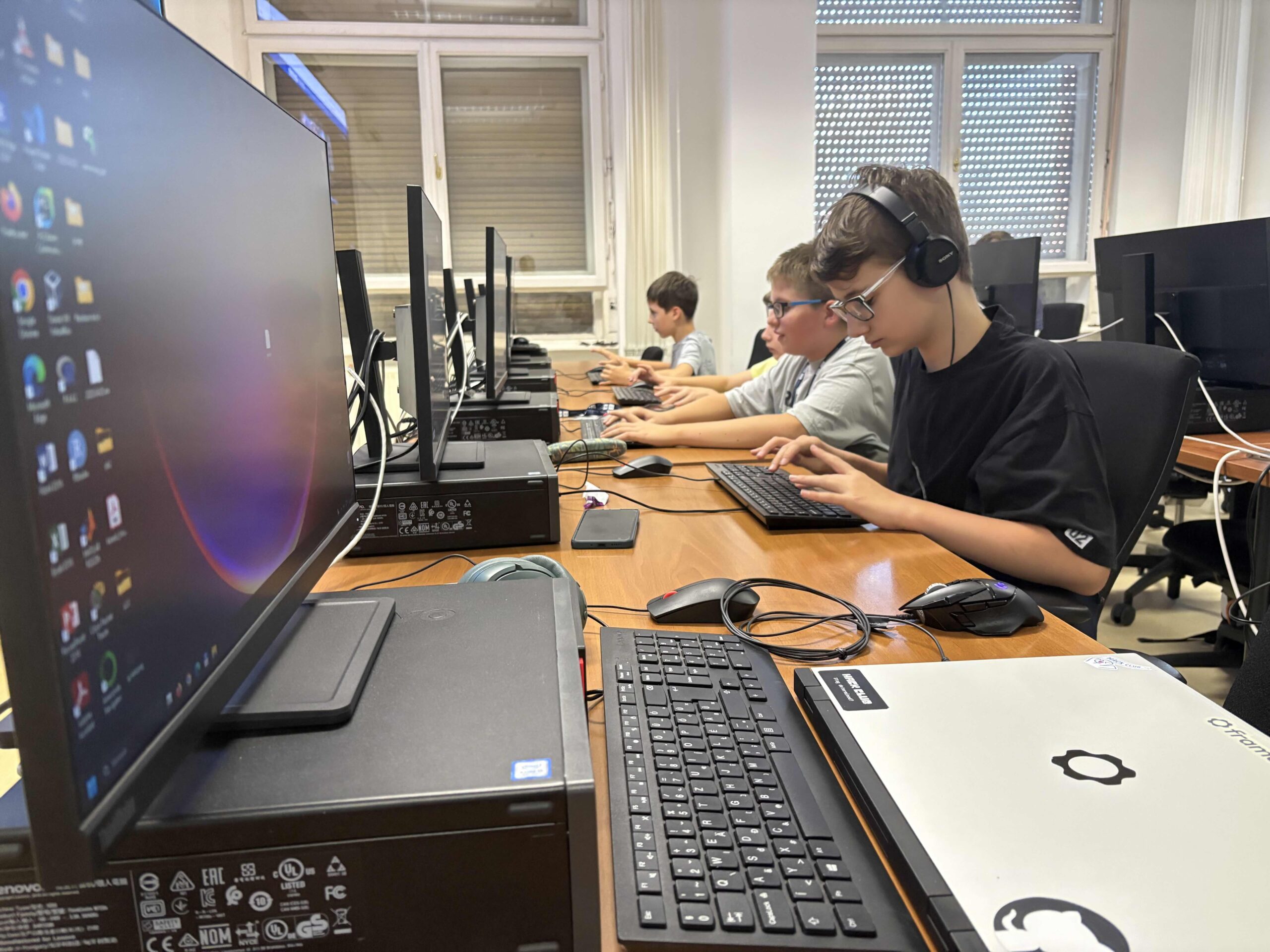
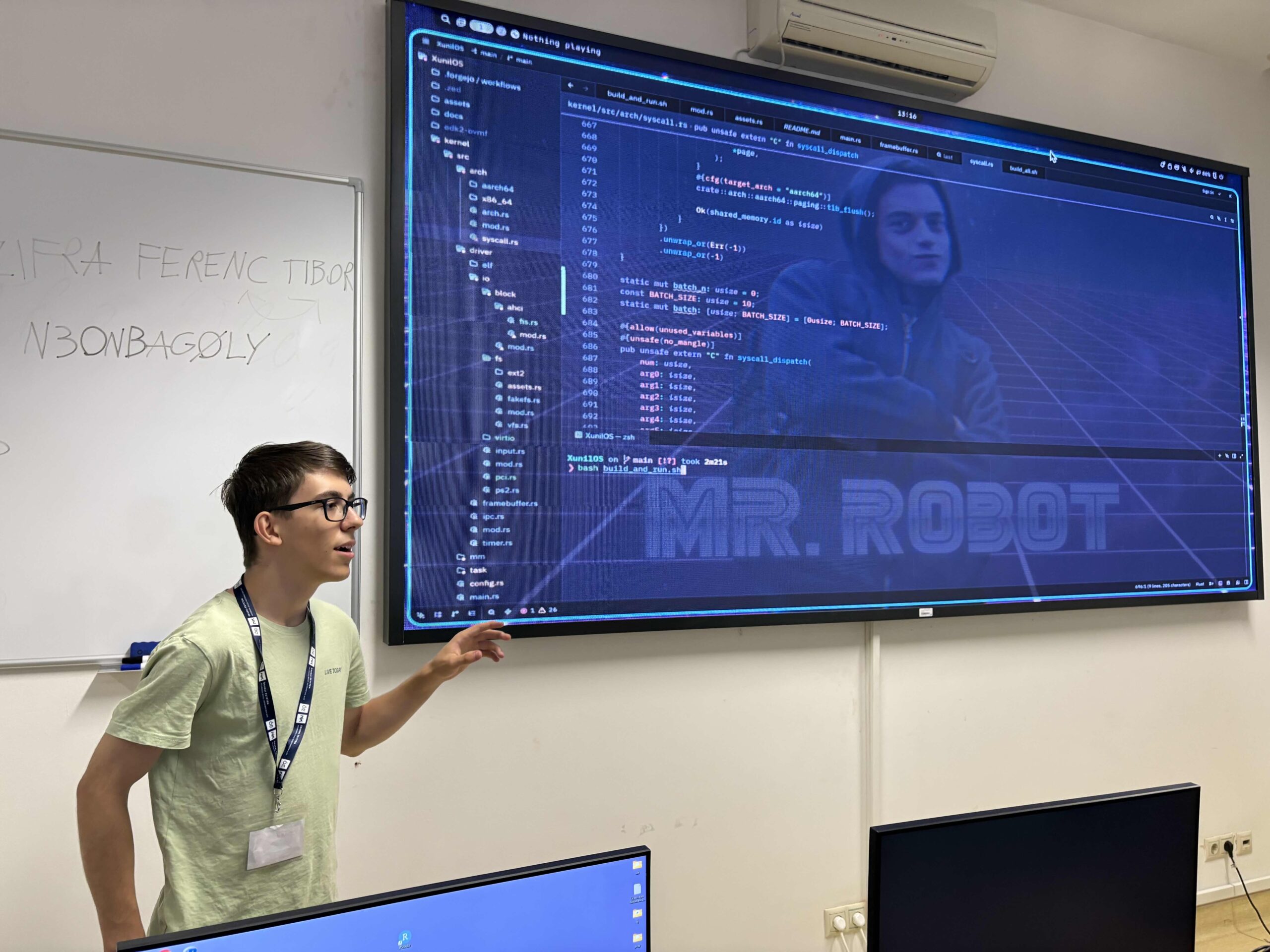
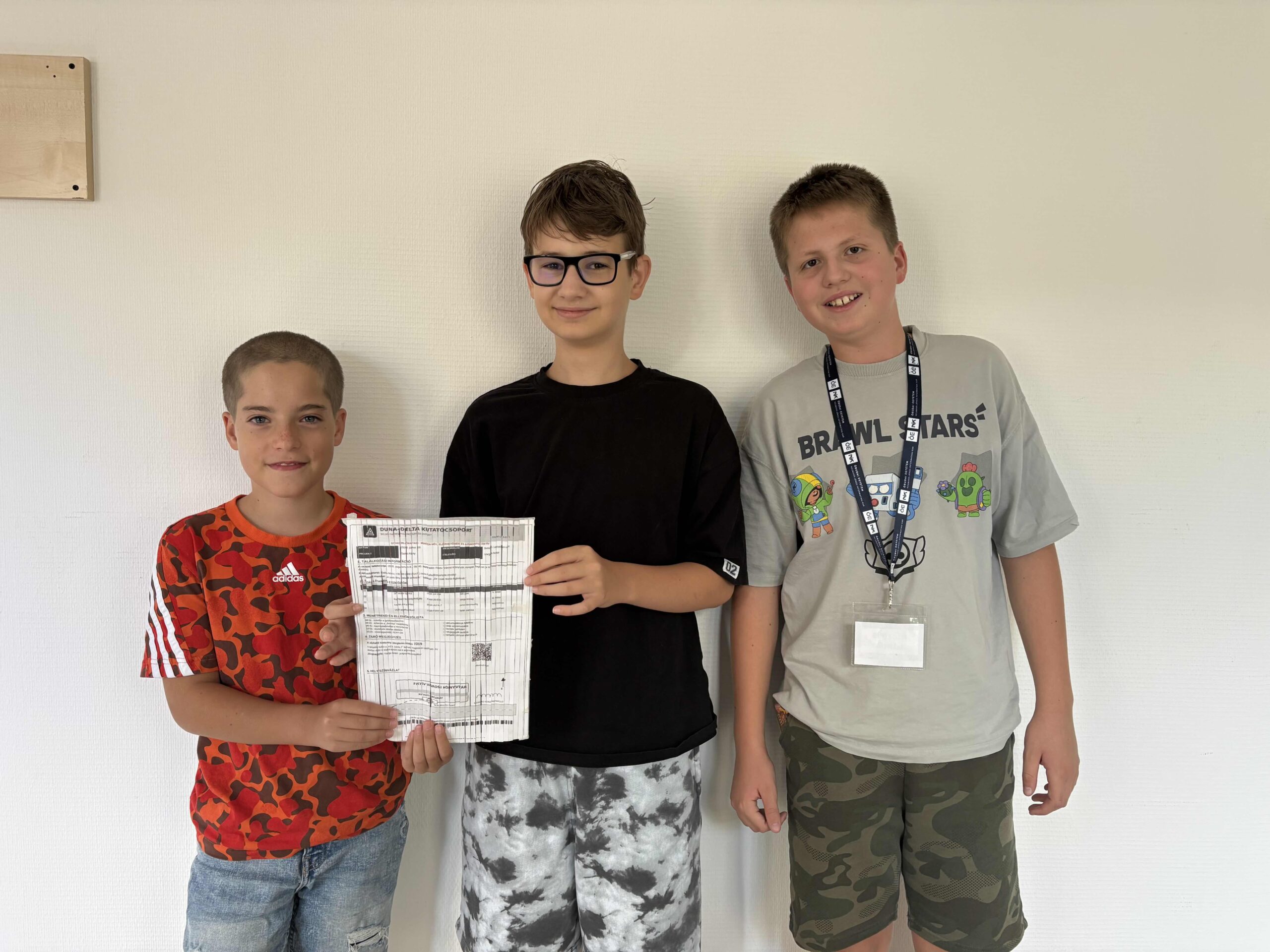
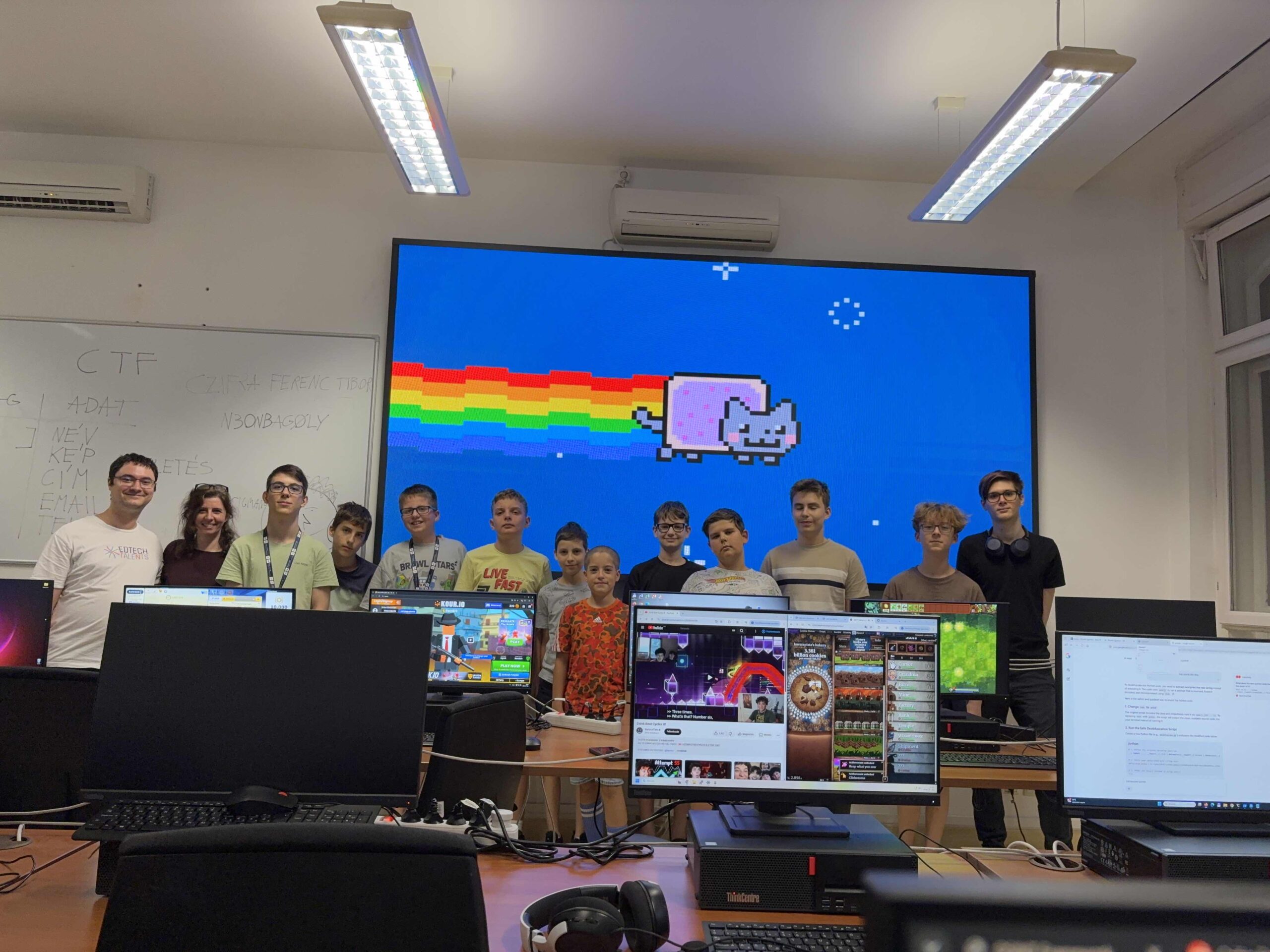
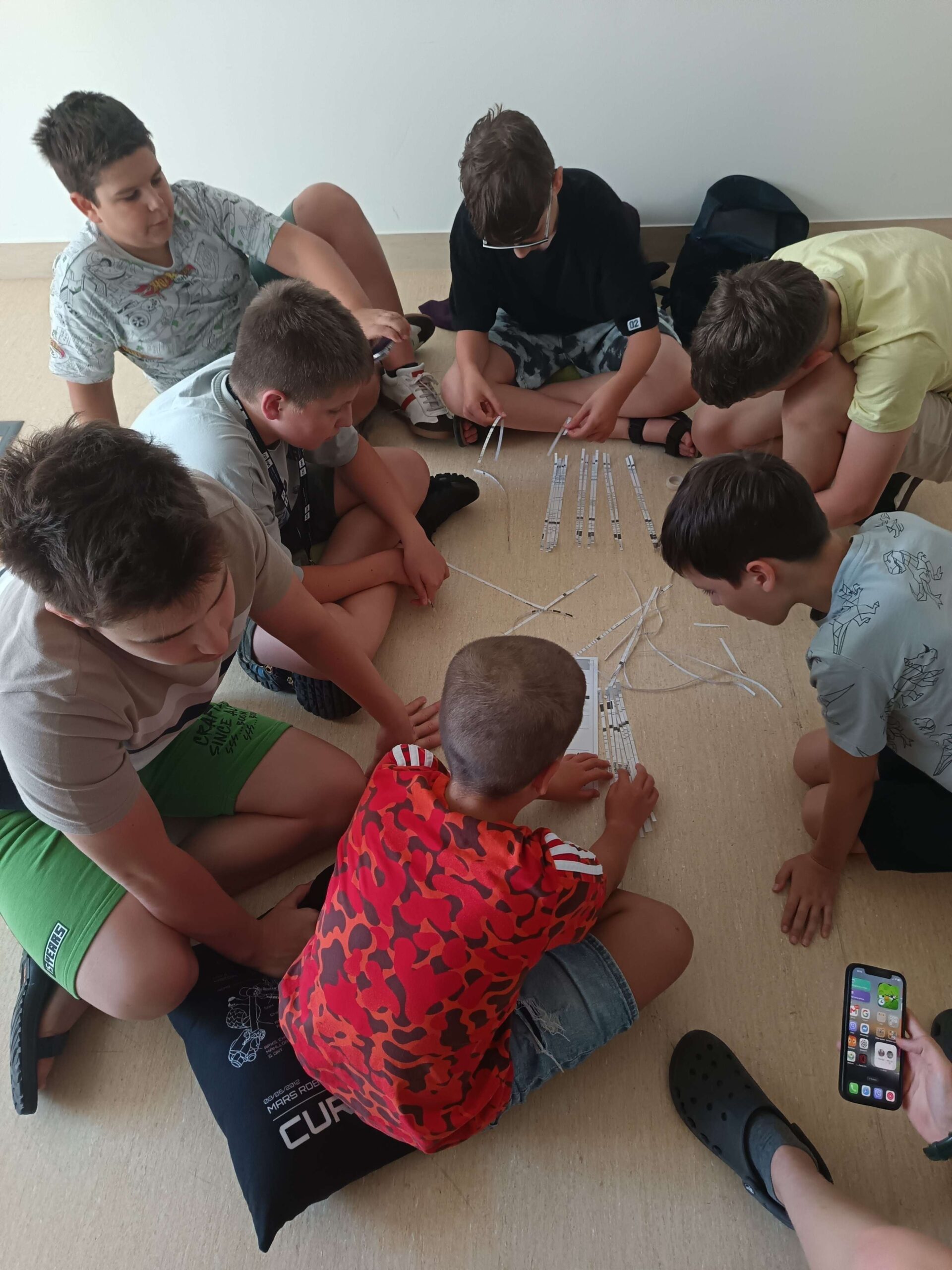
In the cybersecurity camp held at the Donát Bánki Faculty of Mechanical and Safety Engineering (BGK), the 12–16 age group faced the most pressing challenges of the digital age. They learned the differences between a hacker and a cybercriminal, secure password usage, recognizing phishing attempts, and cognitive defense against psychological manipulation (social engineering). The highlight of the camp was a professional visit to the Hackerspace Budapest workshop, where students gained insight into the local hacker culture, tried their hand at practical circuit soldering, studied a retro electronics collection, and observed 3D printers in operation live.
International exchange of experience in practice
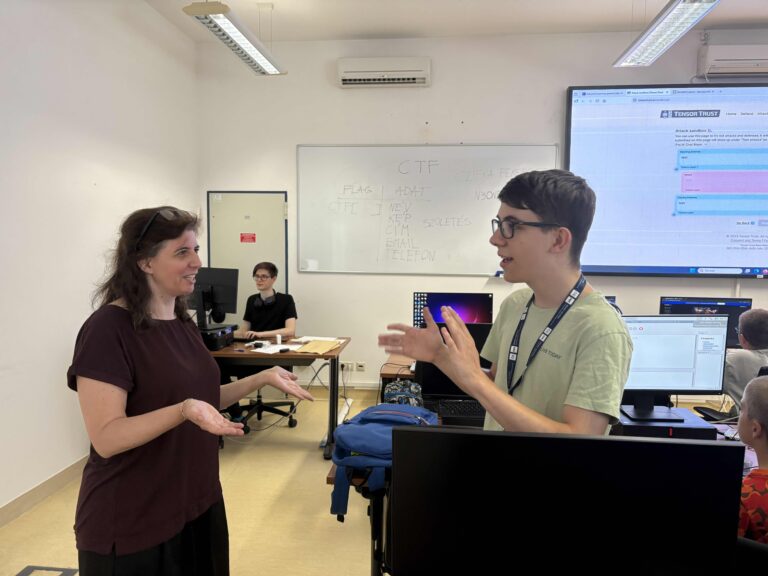
During the second week, Eva Ulbrich joined the more practical, cybersecurity-focused camp program. Here, the emphasis was on observing student interactions in a more traditional, experimental educational setting, as well as exchanging professional experience: through joint consultations, camp leaders and the researcher explored future integration opportunities for local language model (LLM)-based AI tutor systems and digital educational toolkits.
Recognition of the Professionals Working Behind the Scenes
Behind the smooth operational execution and professional delivery of the camps stood the committed coordinators, researchers, developers, mentors, instructors, and members of the STEAM Office – Hungarian STEAM Platform and the STEAM Alumni Program. It is particularly noteworthy that, except for the central coordinators (Dóra Arany-Barna, Attila Fodor, and Zoltán Márton), all other members of the implementation staff actively participate in the STEAM Alumni Program.
Dóra Arany-Barna – Program coordinator, who provided the complete organizational and operational background of the camps and was responsible for smooth communication with parents across all sessions.
Attila Fodor – Professional coordinator and research engineer responsible for educational technology programs; served as one of the instructors for CYB3RC4MP and worked as the developer and instructor of the unique Steamdustry Minecraft module for the STEAM Excellence Program.
Zoltán Márton – University lecturer and professional lead of the talent program and summer children’s university camps; as the founding camp leader of Obuda University’s Summer Children’s University, he has brought together and directed this dedicated team of organizers, developers, and educators since 2022.
Bence Kloknicer – Professional mentor who, alongside technical preparation of Minecraft worlds and IT system operations, supported individual and small-group student mentoring across the Rome, CYB3RC4MP, STEAM Excellence Program, and Sir Lancelot sessions.
Zoltán Cserna – Professional mentor responsible for community-building themes and digital competency development modules, handling the preparation and configuration of lab venues and equipment for the Newton and Sir Lancelot sessions.
Roland Kevin B. Nagy – On-site professional coordinator and educational mentor responsible for direct leadership of professional sessions, coordination of practical tasks, and daily professional and community support of campers during the Newton and Rome sessions.
Gyula Magera – On-site professional coordinator and instructor responsible for practical instruction in security awareness, ethical hacking, and technology modules for CYB3RC4MP, delivery of professional materials, and smooth execution of the Hackerspace Budapest visit.
Luca Pete – Coordination assistant who ensured the operational functioning of the camps, reception of arriving students, and smooth communication with parents, particularly during the execution of the Sir Lancelot session.
Science and future vision
The work carried out in the camps does not end with the summer break. Measurements, Likert questionnaires, and anonymous student/instructor satisfaction feedback gathered during the sessions are scientifically processed by the STEAM Office research group. The resulting methodological and gamification achievements are regularly published in international journals indexed in Scopus and Web of Science, proving the international relevance of university methodological renewal.
A major highlight of the 2026 season was the successful launch of the STEAM Alumni Program. Former campers and current university students joined camp preparation and execution as mentors and assistants, ensuring intergenerational knowledge transfer. Sustainable and progressive talent pipeline cultivation is guaranteed for coming years through new grant applications and inventor programs already submitted, supported, or under evaluation by the STEAM Office.
Sponsors and grant background
National Talent Program: The program was implemented with direct support from the National Talent Program’s grant NTP-STEM-25-B-0006 titled “STEAM Excellence Program”, commissioned by the Ministry of Culture and Innovation (KIM).
Professional and Partnership Collaborators: John von Neumann Computer Society (NJSZT), International Experience Workshop Movement.

Domestic and International Research Foundations: The program was created with support from the “EdTech Talents” project (ID: 2020-2.1.1-ED-2024-00357), funded by Horizon Europe and the National Research, Development and Innovation Fund.