Final chord in the architecture of the future: The sustainable architecture and urban planning talent profile of the STEAM Excellence Program successfully concludes!
Final chord in the architecture of the future: The sustainable architecture and urban planning talent profile of the STEAM Excellence Program successfully concludes!

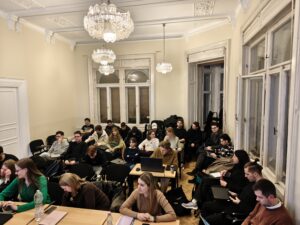
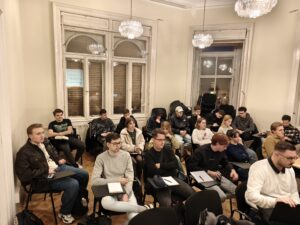
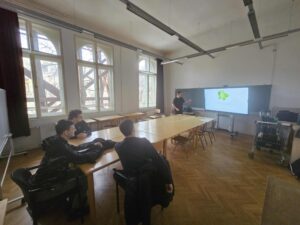
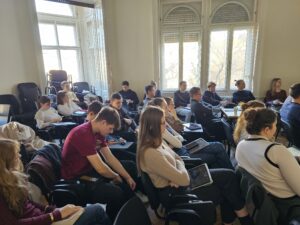
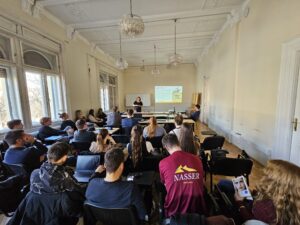
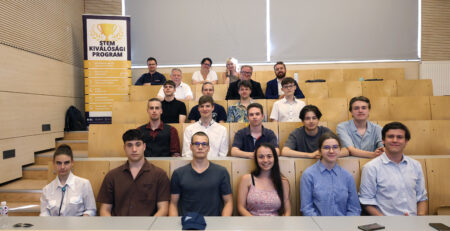
In November 2025, an incredibly exciting and forward-looking journey came to an end for the participants of the Sustainable Architecture and Urban Planning talent profile within the STEAM Excellence Program. The program aimed to provide our 12th-grade “Excellencies” with insight into the most current challenges in engineering, architecture, and natural sciences, with a particular focus on eco-conscious solutions and the creation of the cities of the future.

The series of sessions provided a comprehensive overview of how to make the built environment more sustainable, livable, and climate-adaptive—from recycled materials to urban microclimates.

Architecture in the spirit of sustainability

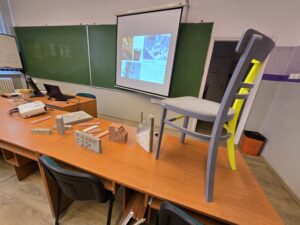
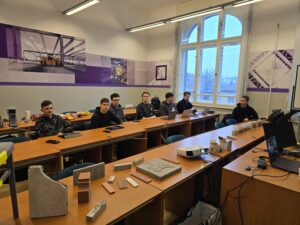
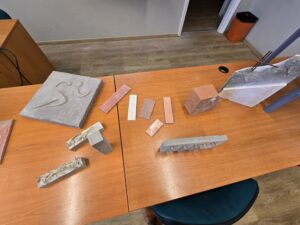
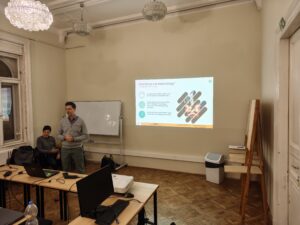
The program began with the foundations of sustainable construction led by Ferenc Nemoda, Master Teacher at the Ybl Miklós Faculty of Architecture and Civil Engineering – Institute of Civil Engineering. Students explored the exciting possibilities of reusing demolished construction materials. Through practical examples, it was proven that demolition waste is not just a burden but can serve as an innovative raw material. As a special highlight, participants designed their own projects, gaining real, cost-reducing practical experience in eco-conscious engineering thinking.

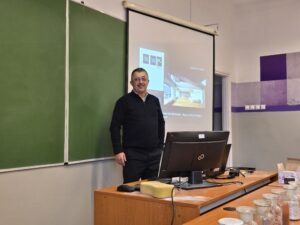
The topic of sustainable construction continued with a presentation on exposed concrete from a sustainability perspective, also led by Ferenc Nemoda. It became clear that even an architectural landmark requires high attention to detail and special expertise, which are indispensable in the modern construction industry.

💻 Digital heritage and building management

The role of digital technologies took center stage during the lectures of Dr. András Horkai, Assistant Professor at the Ybl Miklós Faculty of Architecture and Civil Engineering – Department of Simulation Design:

  • Digital construction: 3D modeling of existing buildings: Students learned how digital technologies and archival documentation can be used to create 3D models of historical buildings. These models play a key role in the research, education, and public presentation of built heritage, creating a bridge between the past and the present. During the interactive session, they also gained insight into a 3D online database.

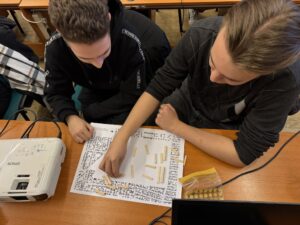
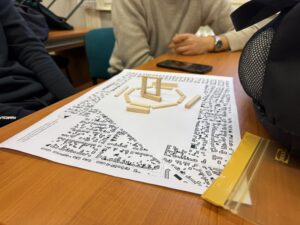
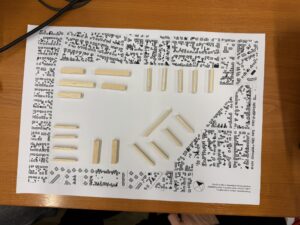
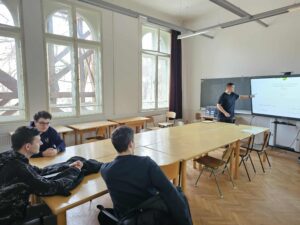
  • Sustainable building management: Value-adding renovation of prefabricated (Panel) buildings: The presentation and workshop showcased the past, present, and urgent modernization needs of prefabricated residential buildings. Using domestic and international examples, it was demonstrated how the value, lifespan, and energy efficiency of these buildings can be increased. During the workshop, students worked in groups to rethink the layout scheme of a housing estate and create sketches for facade modernization, reinforcing the importance of collective responsibility.

🌍 Climate-conscious design and history

The architecture of the future is based on the principles of climate design:

  • Basics of climate design – Green building rating systems: In the session led by Péter Kiss (Lecturer at the Ybl Miklós Faculty of Architecture and Civil Engineering – Department of Simulation Design), students were introduced to Active House, LEED, BREEAM, and other green building certification systems. These systems evaluate not only energy consumption but also indoor comfort and user well-being.

  • Sustainable architectural history: Dr. habil. Viktória Sugár PhD, Vice-Rector for Sustainability and Strategic Projects, demonstrated that the principles of sustainability are not new. The solutions of 19th-century apartment buildings and modernist architecture (such as local materials, passive heat utilization, and CIAM/Bauhaus principles) included climate-adaptive, material-saving, and flexible structural solutions from the very beginning—solutions from which contemporary design can still draw significant inspiration today.

  • Sustainable cities: microclimate measurements: The presentation by Martin Kolman (Staff Member at the Ybl Miklós Faculty of Architecture and Civil Engineering – Department of Simulation Design) examined the urban heat island effect. Using a Budapest-based research project as an example, participants analyzed thermal camera images and satellite data. In the practical workshop, they tested measurement tools (e.g., thermal cameras, weather stations). This direct experience helped them understand how the urban environment can be made cooler and more livable.

  • CLIMAdesign – Buildings that achieve more with less mechanical systems: The closing lecture by Prof. Dr. habil. István Kistelegdi PhD, DLA (Professor at the Ybl Miklós Faculty of Architecture and Civil Engineering – Department of Simulation Design) emphasized the need for holistic, sustainable architecture and the “CLIMAdesign” approach. The goal is to minimize energy consumption, ensure maximum comfort, and achieve a new aesthetic quality through intelligent, settlement-level design.

The “Sustainable Architecture and Urban Planning” talent profile provided more than just theoretical knowledge. By integrating practical approaches, digital tools, and historical perspectives, it showed students how significant a role they can play in shaping the climate-resilient built environment of the future.

Congratulations to the participants on the successful completion of the program! The knowledge and mindset acquired are essential for tomorrow’s professionals to face global environmental challenges responsibly and innovatively.

Our STEAM Excellence Program is funded by the National Talent Programme under the grant NTP-STEM-25-B-0006.

Share this post